Chasing Bull Redfish Along the Carolina Beaches
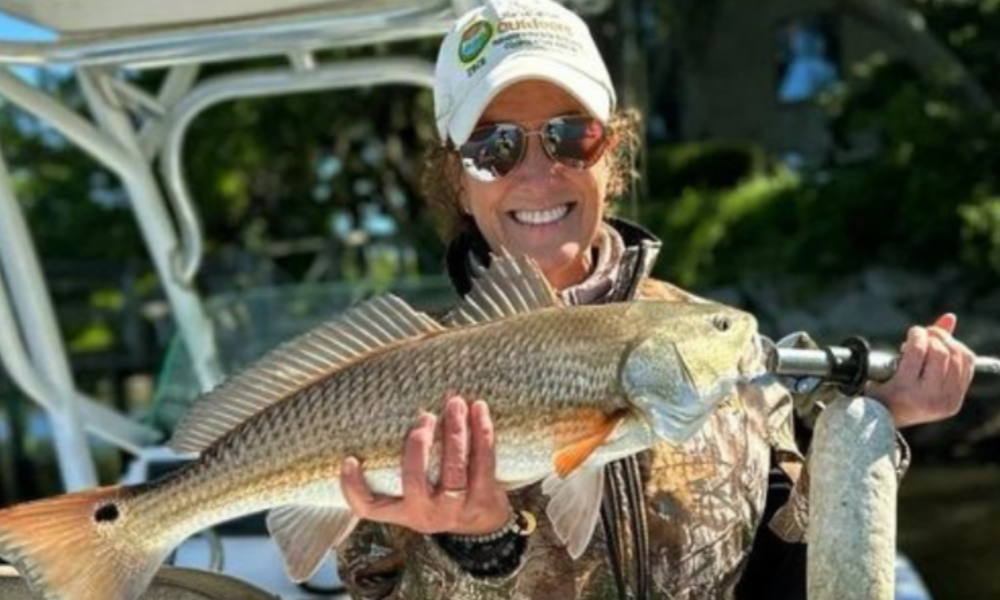
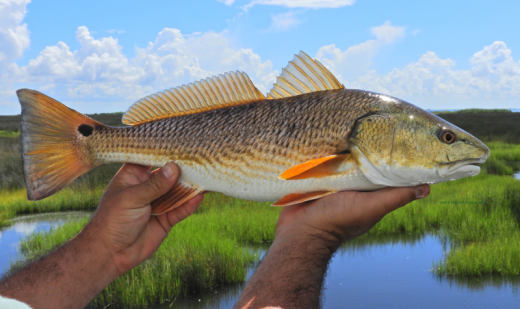
Every summer and fall, some of the largest redfish in the Carolinas leave the marshes and sounds to patrol the beaches. These giant fish, often called bull reds or old drum, may weigh thirty to fifty pounds and occasionally much more. They are powerful, stubborn fighters that test both tackle and anglers, making them one of the most exciting saltwater targets found anywhere along the Atlantic coast.
The migration usually begins as water temperatures stabilize and large schools of menhaden, mullet, and other baitfish move along the beaches. Bull reds shadow these schools, feeding aggressively before the fall spawning season. While they may appear anywhere along the coastline, they are especially common near inlets, shoals, sandbars, and points where bait naturally gathers.

Finding bait is often the first step toward finding redfish. Diving pelicans, gulls, and terns frequently reveal schools of bait being pushed toward the surface. Large nervous patches of water, flipping mullet, and muddy water created by feeding fish also point anglers in the right direction.
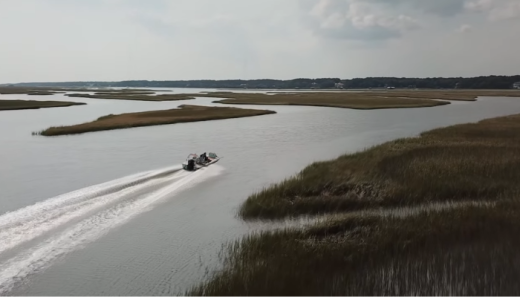
 Many anglers prefer to fish from boats just outside the breakers, watching for schools moving down the beach. Others enjoy the challenge of surf fishing, using heavy tackle capable of casting fresh cut mullet or menhaden beyond the first sandbar. Both methods can produce unforgettable battles.
Artificial lures have become increasingly popular for bull reds. Large paddle tails, swimbaits, spoons, and topwater plugs all catch fish when schools are actively feeding. Topwater strikes from a forty pound redfish exploding on the surface are experiences that few anglers ever forget.
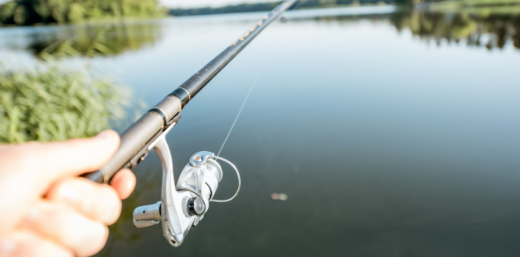
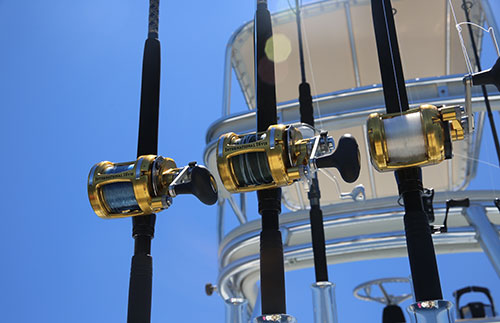
Heavy tackle is essential. Seven to eight foot rods matched with quality spinning or conventional reels spooled with thirty to fifty pound braided line give anglers enough power to pressure these fish while shortening the fight. Circle hooks are recommended when fishing natural bait because they reduce deep hooking and improve survival after release.
Once hooked, a bull red rarely gives up easily. Long runs, deep circles beneath the boat, and powerful head shakes are all part of the battle. Experienced anglers know not to rush the fight. Applying steady pressure while allowing the drag to work usually lands more fish than trying to overpower them.
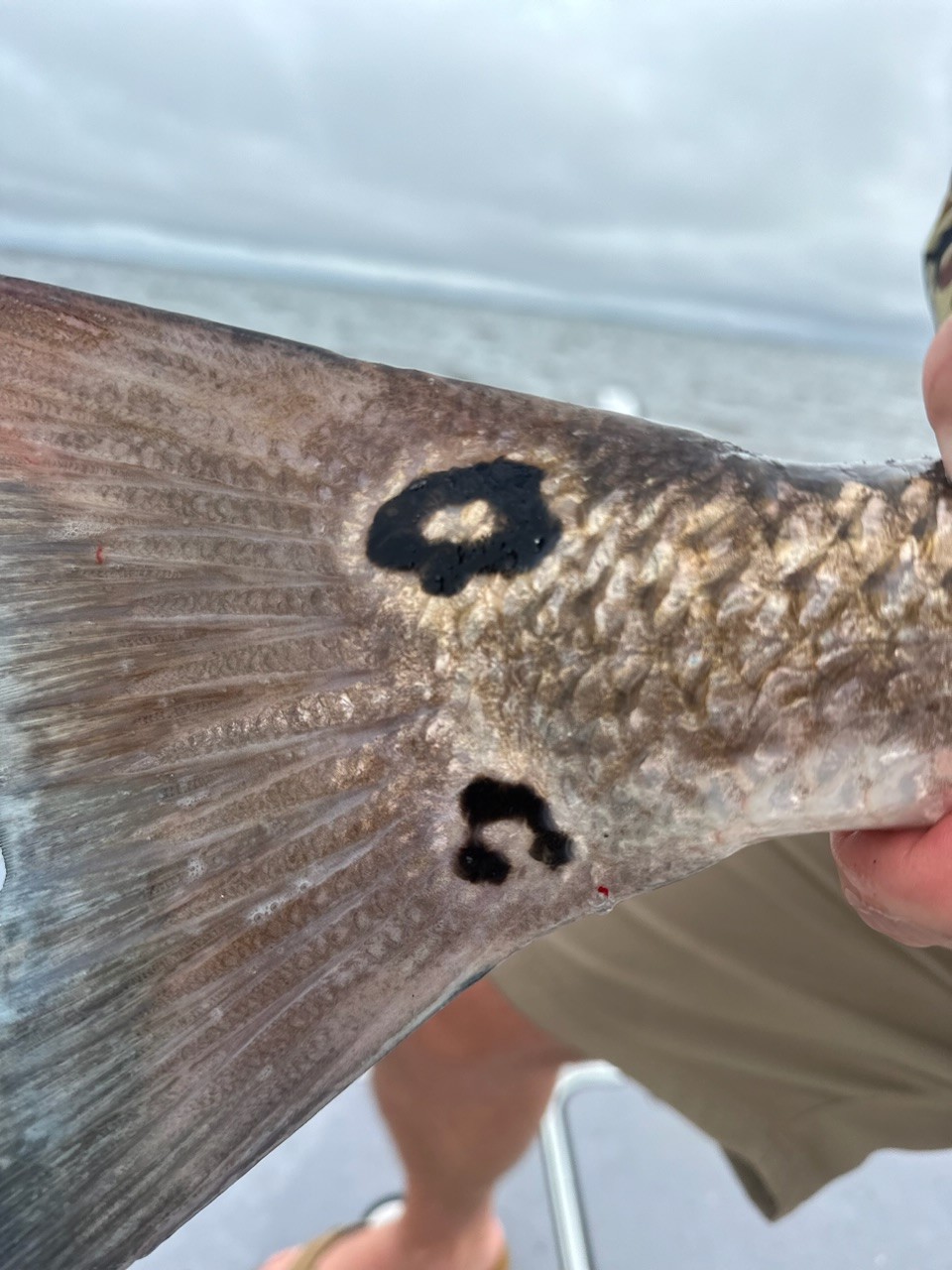
Handling these fish properly is just as important as catching them. Most large bull reds are breeding fish responsible for future generations. Wet hands, rubber landing nets, and keeping fish in the water whenever possible all improve survival after release. Quick photographs followed by careful release help preserve this outstanding fishery.
Weather also plays a role in success. Calm mornings often provide excellent sight fishing opportunities, while windy days may push bait closer to shore. Changing tides around inlets frequently create feeding windows that last only an hour or two, making timing critical.
For many Carolina anglers, chasing bull reds is far more than simply catching a big fish. It is the anticipation of seeing birds diving, hearing a screaming drag, and watching bronze backs roll in the surf. Every hookup carries the possibility of landing the fish of a lifetime, and that possibility keeps anglers returning to the beaches year after year.
You may be interested
The Heart and Fishing of Winyah Bay
Tim Wilson - July 12, 2026The morning mist hangs heavily over Georgetown, South Carolina, where the Sampit, Great Pee Dee, Waccamaw, and Black rivers converge. My 2-hour drive from Wilmington was quick…

Fishing Docks at Night for Trophy Trout
Tim Wilson - July 12, 2026There is a particular kind of confidence that lives inshore. It rides comfortably in bay boats, speaks with authority about creeks and oyster bars, and carries an…

The Parson’s Perspective …Prepping Live Bait For Inshore Fishing
Tim Wilson - July 7, 2026Join the Carolina's well known fishing instructor as he gives his tactic for getting the most our of your live bait when inshore fishing.
Most from this category