How Tide Changes Affect Inshore Fishing Success
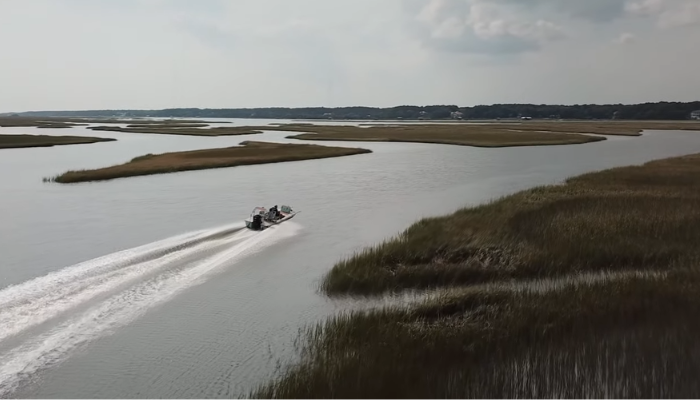
Inshore fishing in the Carolinas is controlled by tide more than almost any other factor. Weather, bait, water clarity, and season all matter, but tide decides where fish can feed, where bait moves, and when predators become active. Anglers who learn to read tide changes often catch fish while others wonder why the water looks perfect but feels empty.
The tide is not just rising and falling water. It is movement, and movement creates feeding opportunities. Redfish, trout, flounder, black drum, sheepshead, and many other inshore species use moving water to their advantage. They position themselves where current brings food to them.
On an incoming tide, water pushes into creeks, grass lines, oyster flats, and marsh edges. Baitfish and shrimp move with it, spreading into newly covered areas. Redfish often follow the water into shallow grass and oyster pockets. Trout may slide onto points and current seams where bait is being carried past them.
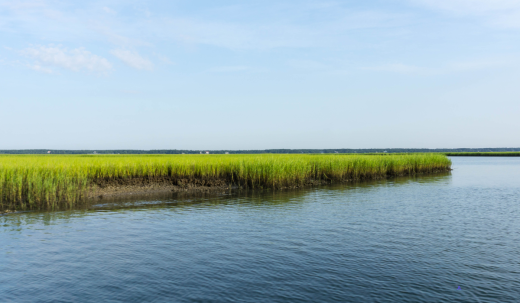
High tide can be excellent when fish have enough water to reach places they cannot access at lower stages. Flooded grass redfish are the most obvious example. On the highest tides, reds move into spartina grass to feed on crabs and shrimp. However, high tide can also scatter fish across a wide area, making them harder to find.
The falling tide often concentrates fish. As water drains from the marsh, bait is forced out of grass, small creeks, and shallow flats. Predators know this and wait at drains, creek mouths, oyster cuts, and channel edges. For many Carolina anglers, the falling tide is the most dependable stage of the day.
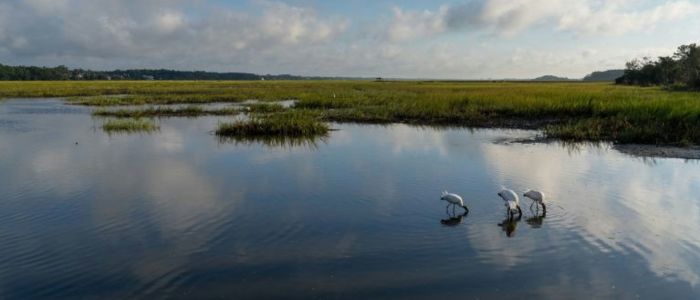
Low tide reveals structure. Oyster beds, sandbars, grass points, cuts, and hidden drops become easier to see. Even if the bite is slow, low tide teaches anglers where to fish when water returns. Many experienced fishermen spend low tide scouting as much as casting.
Current speed is another important piece. Too little current can make fish lazy. Too much current can make bait difficult to present naturally. The best bite often occurs when the tide first begins moving or when hard current starts to ease. These transition periods create enough movement to feed fish without making conditions difficult.
Different species respond differently. Flounder often hold along bottom structure where bait is swept past them. Trout prefer moving water around points, docks, bridges, and creek mouths. Redfish may push shallow on rising water, then gather near drains on falling water. Black drum often feed around oyster bars and shell banks as current exposes crabs and small shellfish.
Wind can either help or hurt the tide. A strong northeast wind may hold water in the marsh longer than expected, while a west wind can push water out and create lower than normal tides. Good anglers pay attention to real water levels, not just printed tide charts.
Tide knowledge turns random fishing into planned fishing. Instead of asking where fish are, the better question is where the tide is moving bait right now. In Carolina waters, that question often leads directly to fish.
You may be interested
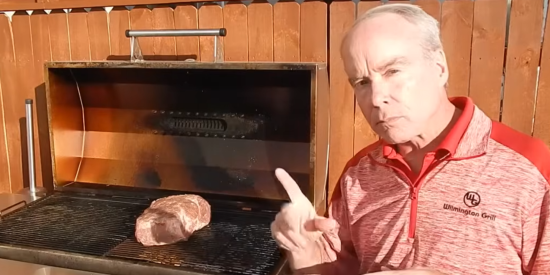
Taste Of Grilling…..Fall Weather Boston Butt
Tim Wilson - October 5, 2026Cooler days of Fall are on the way and that makes for better grilling days ahead. Make your main course memorable and easy by grilling Boston Butt…
Saltwater Fly Fishing…….Changing Saltwater Fishing
Tim Wilson - October 2, 2026I recently sat down with our new contributing writer, Luke Panzarella, from the Charleston, SC, region. First, let me say that the conversation was both interesting and…
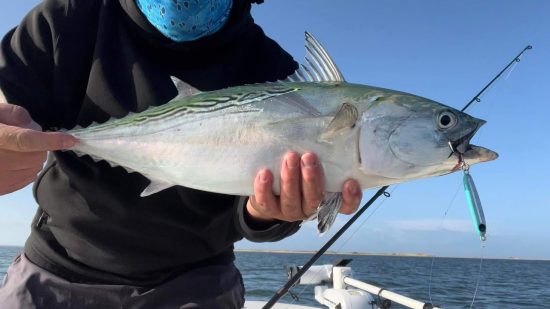
Fall Fishing For False Albacore…..It’s Almost Time
Tim Wilson - October 2, 2026Fishing for False Albacore is a group of relatively simple steps, but those steps are non-negotiable. The first 3 things you need to have is light rods,…
Most from this category