Fishing Behind the Banks….The Outer Banks
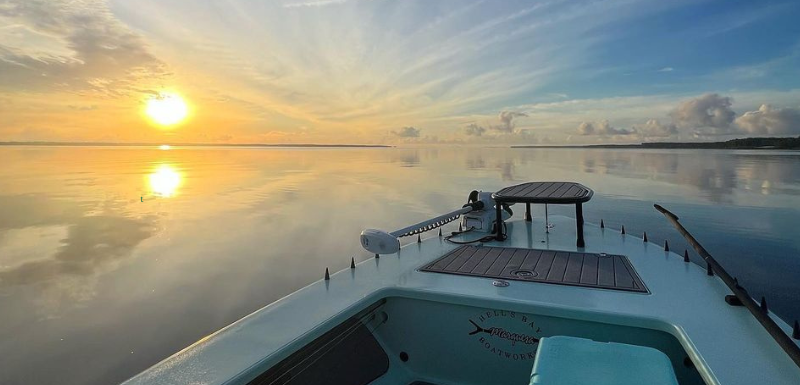
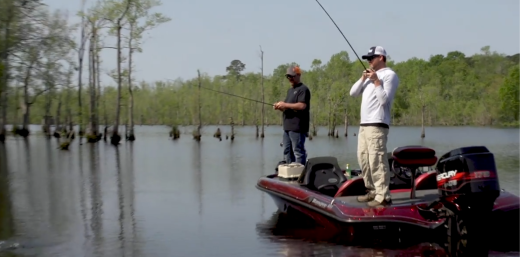
You want to fish the shallow sounds behind the Outer Banks? You need to forget everything you know about deep-sea angling. Out here in the Pamlico and Roanoke sounds, you are playing a game of inches in water that rarely clears your waist. It is a vast, shifting wilderness of salt marshes, hidden oyster bars, and unpredictable currents. If you blast into these flats with your big motor roaring and your radio blaring, you will spook every fish before your lure ever touches the water. To catch fish here, you must operate like a tactical hunter.
Your first and most vital lesson is absolute stealth. In two feet of water, a dropped pair of pliers or a slammed hatch cover sounds like an explosion to a red drum or a speckled trout. Shut down your outboard engine at least two hundred yards away from the area you intend to fish. From that point forward, you drift with the wind, use a quiet electric trolling motor, or push the boat manually with a fiberglass pole. You must move like a ghost across these shallows.
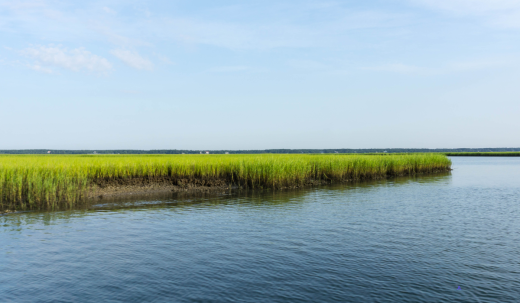
Next, you have to read the landscape beneath the surface. To the inexperienced eye, the sound looks like a uniform sheet of brown water. You need to train your eyes to see the subtle transitions. Look for the distinct lines where light sand turns into dark submerged grass or jagged oyster rocks. Pay close attention to the tidal creeks cutting through the marsh islands. When the tide falls, the water drains out of the grass, forcing baitfish and shrimp into the open channels. Position yourself right at the mouth of these creeks. The predators will be stacked up right there, waiting for the current to deliver an easy meal.
Your gear must be matched perfectly to this environment. A seven-foot, medium-action spinning rod is the standard tool for the job. Spool your reel with fifteen-pound braided line. Braid gives you the sensitivity to feel a subtle bite and the strength to make incredibly long casts, which you need to avoid crowding the fish. However, never tie your lure directly to the braid. You must use a two-foot leader of twenty-pound fluorocarbon line. The sound is full of razor-sharp oyster shells. Standard line will snap the second it rubs against them, but fluorocarbon resists that brutal abrasion.
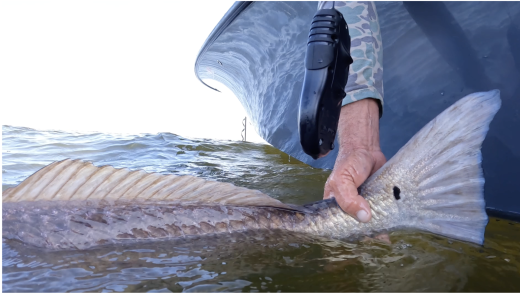
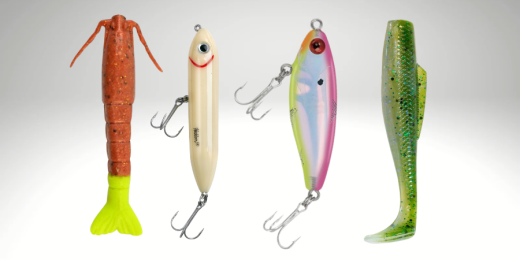
For your lure, use a four-inch soft plastic paddletail on a quarter-ounce jig head. Cast it directly against the edge of the marsh grass line. Let it drop to the bottom, then start a slow retrieve while giving your rod tip a sharp, upward twitch every few seconds. This motion mimics a wounded minnow. When a fish slams the bait, do not just yank the rod wildly. Set the hook firmly, then immediately raise your rod tip as high as possible. Keeping the rod high lifts your line off the bottom, preventing those underwater oysters from cutting you loose. Fight the fish patiently, and let your drag do the work.
You may be interested
Taste Of Grilling…..Fall Weather Boston Butt
Tim Wilson - October 5, 2026Cooler days of Fall are on the way and that makes for better grilling days ahead. Make your main course memorable and easy by grilling Boston Butt…
Saltwater Fly Fishing…….Changing Saltwater Fishing
Tim Wilson - October 2, 2026I recently sat down with our new contributing writer, Luke Panzarella, from the Charleston, SC, region. First, let me say that the conversation was both interesting and…
Fall Fishing For False Albacore…..It’s Almost Time
Tim Wilson - October 2, 2026Fishing for False Albacore is a group of relatively simple steps, but those steps are non-negotiable. The first 3 things you need to have is light rods,…
Most from this category