Organizing Your Tackle Box For More Time Fishing
Every angler has experienced it. The fish are feeding, your partner hooks up, and you’re digging through a cluttered tackle bag looking for the right lure. By the time you find it, the bite has slowed, your nerves are shot, and you’re wondering why you brought half the tackle shop with you.
A well-organized tackle bag doesn’t just keep your equipment neat. It helps you fish more efficiently, protects expensive lures, and allows you to spend your time catching fish instead of searching for gear. Whether you’re fishing the backwaters of North Carolina, the marshes of South Carolina, or making an offshore run, a little organization goes a long way.
The first mistake many anglers make is carrying far too much tackle. Before every trip, think about what species you’ll be targeting. If you’re chasing redfish and speckled trout, leave the offshore plugs and king mackerel rigs at home. Carry only what you’ll realistically use that day. A lighter tackle bag is easier to carry and much easier to keep organized.
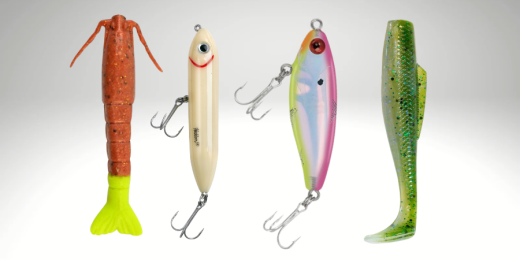
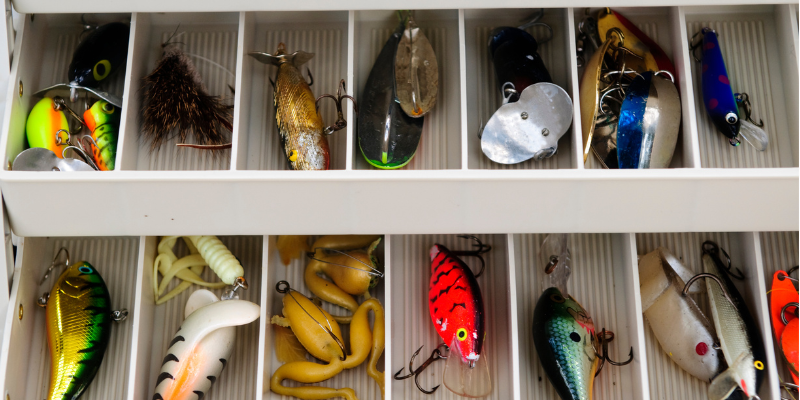
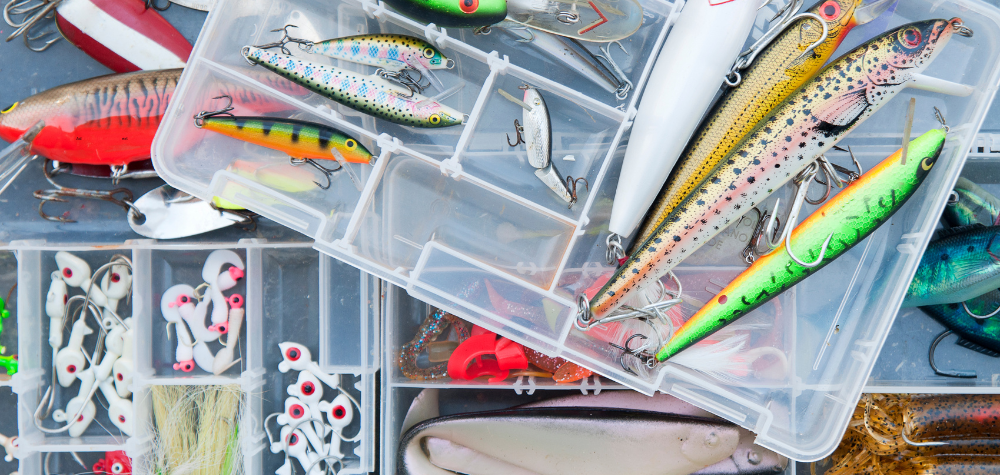
Quality storage boxes are your best investment. Use clear waterproof utility boxes and organize them by lure type instead of simply throwing everything together. Keep one box for soft plastics, another for hard baits, one for terminal tackle, and another for jig heads. Label each box so you can grab exactly what you need without opening every container in the bag.
Organize your tackle by fishing situations as well. Keep your topwater baits together, shallow-running lures in another box, and deeper-diving plugs in their own compartment. If you’re an inshore angler, dedicate one tray to popping corks, another to jig heads, and another to your favorite soft plastics. The less time you spend hunting for tackle, the more time your bait spends in the water.
Terminal tackle deserves special attention. Hooks, swivels, weights, snaps, beads, and leader sleeves should all have their own compartments. Nothing wastes fishing time faster than digging through a pile of loose hooks and sinkers while the fish are feeding.
Leader material should also have a dedicated location. Keep fluorocarbon, monofilament, and wire leaders stored in separate pockets or protective sleeves. Salt, moisture, and direct sunlight can shorten the life of your fishing line, so keep your tackle bag dry and out of the sun whenever possible.
Your fishing tools should always be within easy reach. Pliers, braid cutters, line clippers, hook removers, and fish grippers should all have a permanent home in your tackle bag. If you have to stop and search for your pliers every time you land a fish, your organization system needs improvement.
Many experienced Carolina anglers also keep a “quick-access” compartment stocked with the items they use throughout the day. A few favorite lures, several jig heads, extra leader material, and replacement hooks can all be stored where they’re easy to grab without opening multiple tackle trays.
Finally, make it a habit to clean your tackle bag after every trip. Rinse away salt residue, dry wet lures before storing them, replace rusty hooks, and remove tackle you no longer use. Spending ten minutes organizing your gear after a day on the water will save you valuable fishing time on your next trip.
A tackle bag shouldn’t become a storage locker for every lure you’ve ever purchased. It should function like a well-organized toolbox, carrying only the equipment you need for that day’s fishing. The more organized your tackle becomes, the more efficient you’ll fish, and when that next school of hungry redfish suddenly appears, you’ll be ready instead of digging through a pile of tangled gear.
You may be interested
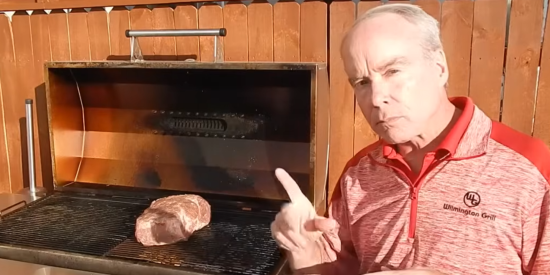
Taste Of Grilling…..Fall Weather Boston Butt
Tim Wilson - October 5, 2026Cooler days of Fall are on the way and that makes for better grilling days ahead. Make your main course memorable and easy by grilling Boston Butt…
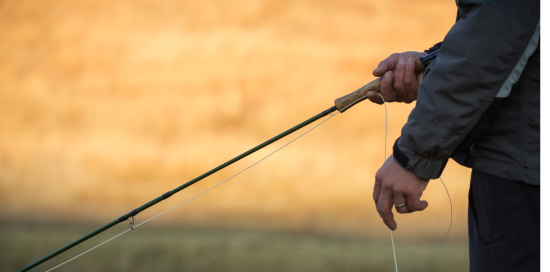
Saltwater Fly Fishing…….Changing Saltwater Fishing
Tim Wilson - October 2, 2026I recently sat down with our new contributing writer, Luke Panzarella, from the Charleston, SC, region. First, let me say that the conversation was both interesting and…
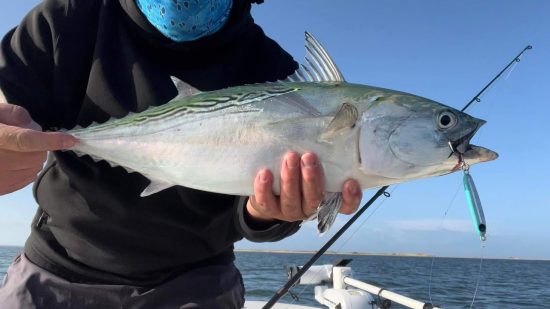
Fall Fishing For False Albacore…..It’s Almost Time
Tim Wilson - October 2, 2026Fishing for False Albacore is a group of relatively simple steps, but those steps are non-negotiable. The first 3 things you need to have is light rods,…
Most from this category