Fishing North Carolina’s Cape Fear River

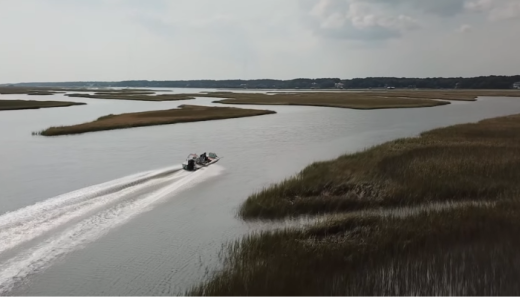
The first hint that the Cape Fear River is different comes before the sun rises. The current never really stops, the tide quietly changes direction, and every bend in the river seems to hold another secret. It is a place where freshwater and saltwater come together, creating one of the most productive fisheries anywhere along the North Carolina coast.
For generations, anglers have launched their boats before daylight at places like Wilmington, Castle Hayne, and Southport, knowing that every trip could be completely different from the one before. A falling tide may produce a limit of Speckled Trout around a creek mouth, while the next tide brings hungry Red Drum cruising along oyster beds. Move farther upriver and Largemouth Bass, Catfish, and Striped Bass become part of the day’s adventure.
The Cape Fear River rewards fishermen who pay attention. Current is everything. Fish position themselves behind pilings, along submerged points, and around fallen cypress trees where the moving water delivers an easy meal. Successful anglers spend less time casting and more time reading the water, watching for baitfish, diving birds, or subtle changes in the current that reveal where predators are waiting.
One of the river’s greatest attractions is its variety. During the same morning, an angler might catch a Flounder near a dock, hook a hard fighting Redfish along a grass edge, and finish the trip wrestling with a giant Blue Catfish that seems determined to pull the boat downstream. Very few fisheries in the Southeast offer that kind of diversity.
The changing seasons keep the river interesting year after year. Spring brings warming water and active Bass along with the arrival of baitfish. Summer offers exciting topwater action early in the morning before the heat settles in. Fall is often considered the finest season, as schools of Speckled Trout and Red Drum aggressively feed before winter. Even during the colder months, patient anglers continue to find success by slowing their presentations and concentrating on deeper holes and protected creeks.
Veteran Cape Fear fishermen know that electronics, expensive tackle, and fast boats are helpful, but experience remains the greatest advantage. Understanding the tide tables, learning where the current sweeps around a point, and recognizing where bait gathers often matter far more than the lure tied to the line.
Perhaps the greatest reward of fishing the Cape Fear River is that every trip tells a different story. Eagles soar overhead, shrimp skip across the surface, dolphins occasionally chase bait far upriver, and the quiet marshes come alive as the morning sun climbs above the cypress trees. The scenery alone is worth the trip, but it is the possibility of what might strike on the very next cast that keeps anglers coming back.
The Cape Fear River has never been a place where success is guaranteed. It is a river that demands patience, observation, and respect. Those willing to learn its tides and moods soon discover why generations of North Carolina fishermen proudly consider it one of the state’s greatest fishing treasures.
You may be interested
The Offshore Gear That Defined 2026
Tim Wilson - November 22, 2026Every year the tackle industry rolls out hundreds of new products, but only a handful earn a permanent spot on the boat. This year a few names…
Maintaining The Tools Of The Trade
Tim Wilson - November 22, 2026Saltwater fishing tackle has come a long way in recent years. It seems like only yesterday that Penn, Shakespeare, Pflueger and Garcia topped the list of the…

The Saltwater Fish That Made History
Tim Wilson - November 22, 2026How big can Carolina fish really get? The record books of North Carolina and South Carolina answer that, and side by side they make a great comparison.…
Most from this category