Counting the Uncountable: The Making of a Stock Assessment
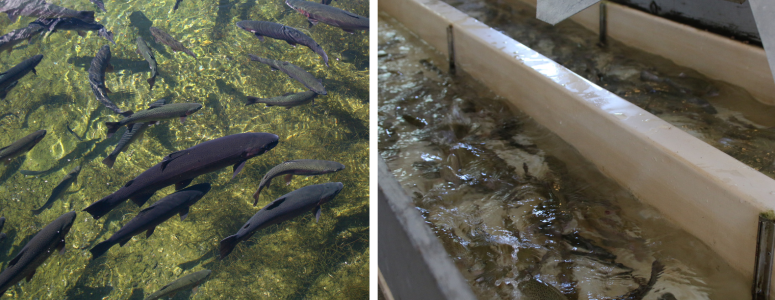
Staff at the Edenton National Fish Hatchery, operated by the U.S. Fish and Wildlife Service, released 80,781 fingerlings near Bridgeton on June 22, followed by another 62,643 fish the next day. A total of 143,424 striped bass stocked over two days.
Every year, fisheries managers are asked a deceptively simple question: How many fish are out there? It sounds straightforward until you consider the challenge. Fish live underwater, move constantly, and can spread across thousands of square miles of estuaries, rivers, sounds, and ocean waters. Unlike people, they don’t fill out census forms. Yet management decisions depend on having an answer. That’s where stock assessments come in. A stock assessment is the scientific process used to estimate the size, health, and trajectory of a fish population by bringing together decades of information from dozens of sources.
Think of it as a giant puzzle. No single piece provides the answer. Instead, assessment scientists gather clues from across the coast and fit them together to create the clearest picture possible.
The first clue comes from what fishermen catch. Commercial landings, recreational harvest, and released fish all help scientists understand what’s being removed from a population each year. In North Carolina, commercial harvest information comes through the state’s Trip Ticket Program, while recreational catch estimates come from coastwide angler surveys. But catch data alone can’t tell the whole story. If anglers catch fewer fish this year than last, is the population declining, or did fewer people go fishing?
The second clue comes from long-running survey programs conducted at the same locations year after year using standardized sampling methods. These surveys provide an independent measure of whether fish populations are increasing, decreasing, or remaining stable over time, regardless of changing fishing habits, weather, or angler participation.
The final set of clues comes from the fish themselves. A fish’s age, length, weight, reproductive condition, and even its diet reveal how fast it grows, when it begins reproducing, and how well the population can replace fish lost to harvest and natural mortality.
Together, these three streams of information begin to tell the story of a fish population, and gathering clues is only the beginning. Assessment scientists still have to combine all this information into sophisticated population models that estimate how many fish are in the water today and where the population may be headed tomorrow.

You may be interested

Berr Side Kicks…..Homemade Beer Brat Bites
Tim Wilson - October 16, 2026
When the Deer Woods Change
Tim Wilson - October 16, 2026The deer woods you hunted in early October may look familiar when November arrives, but the reasons deer use them can change considerably. Across North Carolina, South…
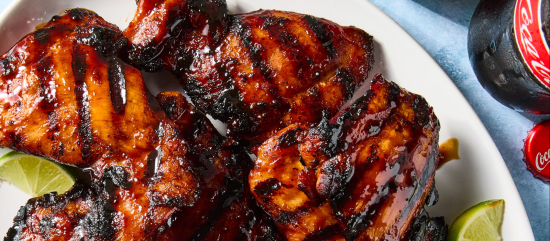
Greatest Of The Grill…..Grilled Coca-Cola Chicken
Tim Wilson - October 16, 2026Everything is better with a Coke… including chicken. Tangy, sweet, and savory, this grilled Coca-Cola chicken will hit every one of your taste buds. If you’re searching…
Most from this category