The Fishing History of Charleston
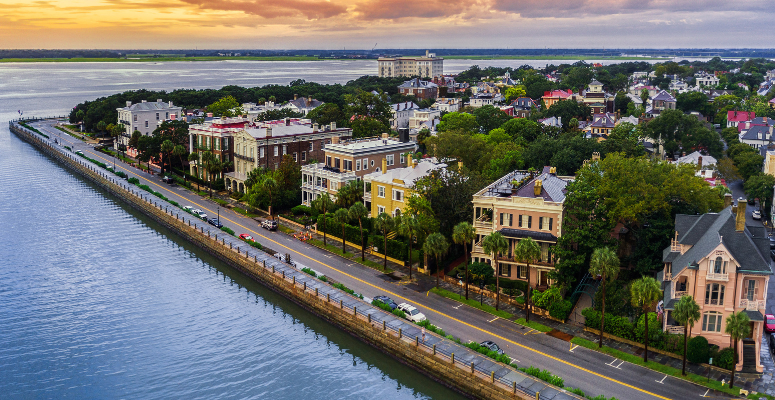
Long before Charleston became known for its historic homes, horse-drawn carriages, and world-class restaurants, it was known for the water. The city was built because of it, prospered because of it, and generations of families earned their living from it. To understand Charleston, you first have to understand its fishing history.
When English settlers arrived in 1670, they quickly discovered an estuary unlike anything they had known in Europe. The meeting of the Ashley and Cooper Rivers created a rich nursery where shrimp, oysters, crabs, and countless fish species flourished. Native tribes had relied on these waters for centuries, harvesting oysters from shell middens that can still be found today. The newcomers simply continued a tradition that was already well established.
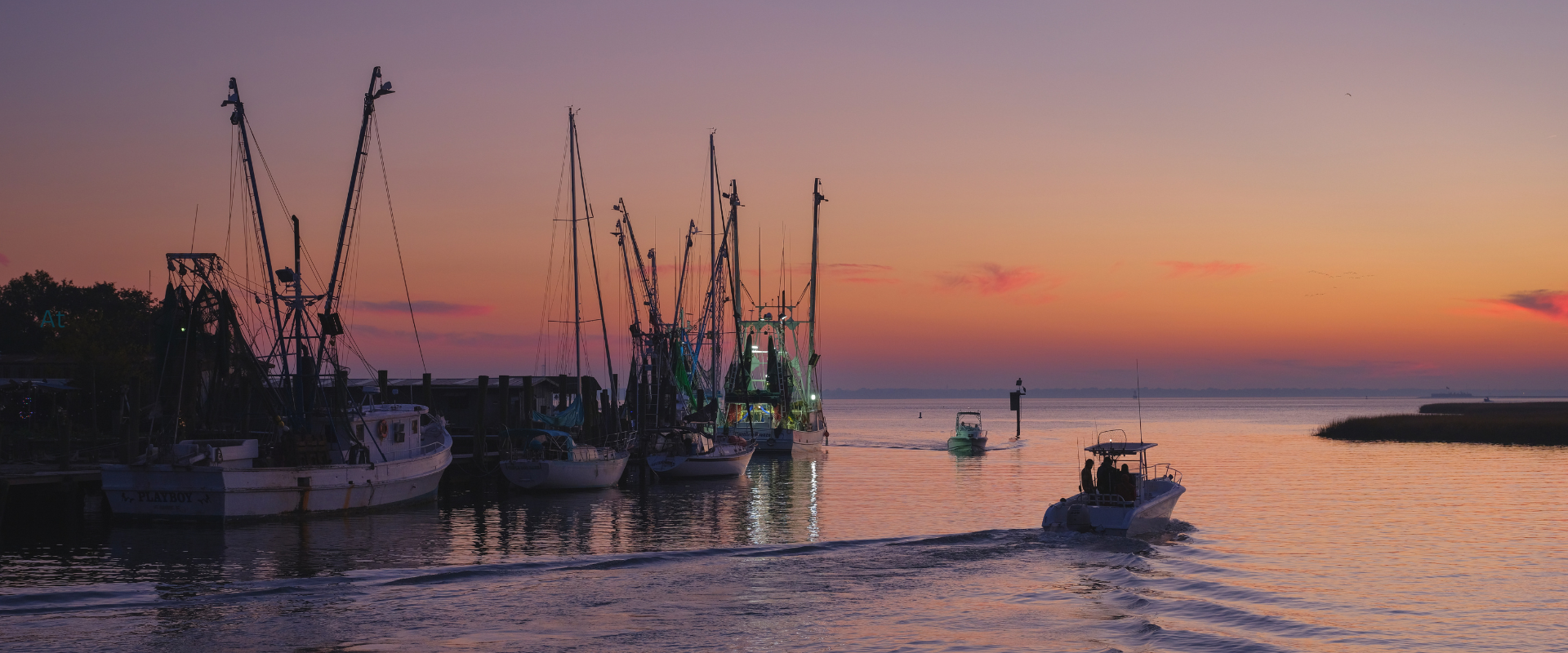
As Charleston grew into one of the South’s busiest ports, fishing became more than a way to feed a family. It became part of the city’s economy. Commercial fishermen worked the harbor with handlines, nets, and wooden boats that were built to handle shallow creeks as easily as open water. Oyster harvesters supplied restaurants and markets, while shrimpers gradually built an industry that would become one of the defining images of the Lowcountry.
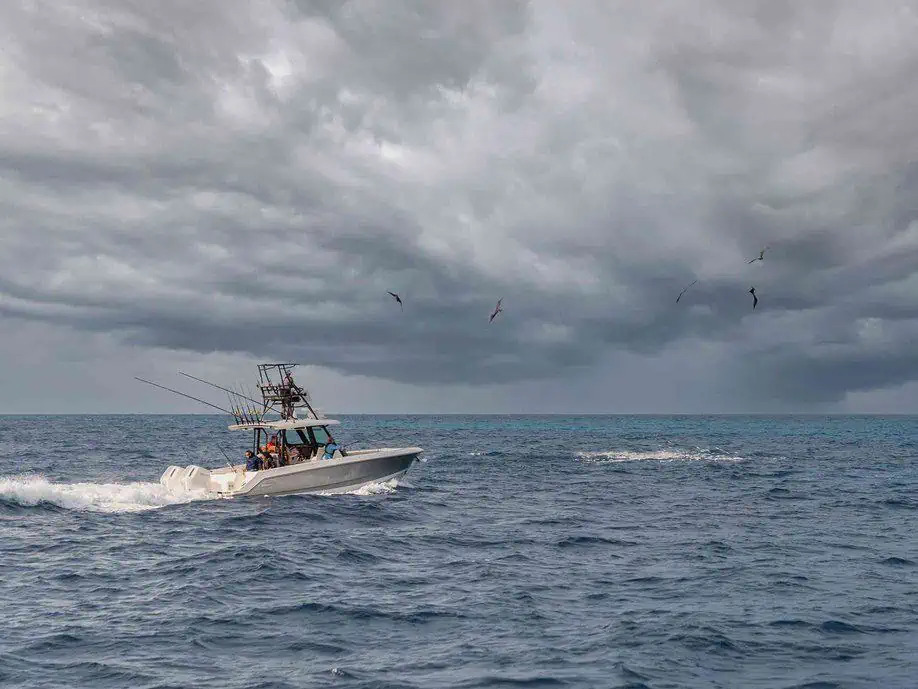
By the early 1900s, the sight of shrimp boats returning to Shem Creek and the Charleston waterfront had become part of daily life. Wooden trawlers lined the docks, their outriggers reaching skyward like a forest of masts. The day’s catch supplied local markets, restaurants, and seafood dealers throughout the Southeast. Families often worked together, with knowledge of tides, weather, and productive bottoms passed from one generation to the next.

Recreational fishing also began to flourish. Wealthy visitors hired local captains to explore Charleston Harbor, the jetties, Bulls Bay, and the waters surrounding Cape Romain. They discovered outstanding fishing for redfish, speckled trout, tarpon, king mackerel, and countless other species. Those early guides became the foundation of Charleston’s charter fishing industry, an industry that continues to thrive today.
The construction of the harbor jetties in the late nineteenth century changed fishing in another way. Built to improve navigation, the massive rock structures also created habitat for sheepshead, black drum, spadefish, and many other species. Over time they became legendary fishing destinations, attracting anglers from across the country.
Technology transformed the fishery during the second half of the twentieth century. Fiberglass boats replaced many wooden hulls. Outboard engines became more reliable. Electronics helped captains navigate safely through fog and locate offshore structure that had once been found only through experience. Yet one thing never changed. Successful fishermen still depended on understanding the tides.
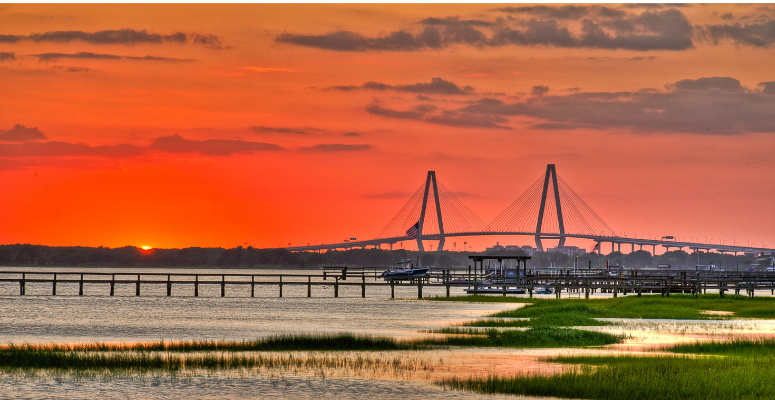
Today, Charleston’s fishing heritage remains woven into everyday life. Shrimp boats still work the coast. Charter captains leave the docks before daylight. Families gather for oyster roasts during the cooler months, and weekend anglers launch before sunrise hoping to continue traditions handed down by parents and grandparents.
Charleston’s skyline has certainly changed over the centuries, but the water continues to define the city. Every incoming tide carries more than bait and fish into the harbor. It carries more than 350 years of history, reminding every angler who launches a boat or makes a cast that they are sharing waters that have shaped the lives of generations before them.

You may be interested

Berr Side Kicks…..Homemade Beer Brat Bites
Tim Wilson - October 16, 2026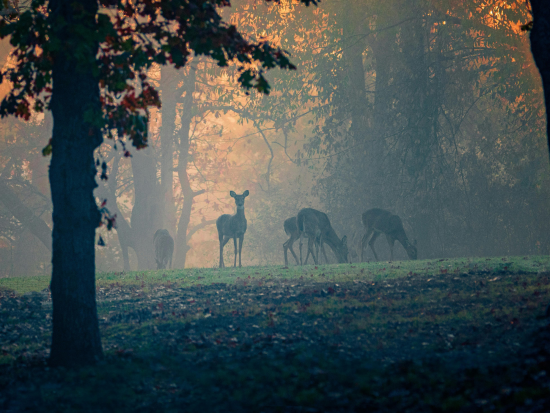
When the Deer Woods Change
Tim Wilson - October 16, 2026The deer woods you hunted in early October may look familiar when November arrives, but the reasons deer use them can change considerably. Across North Carolina, South…
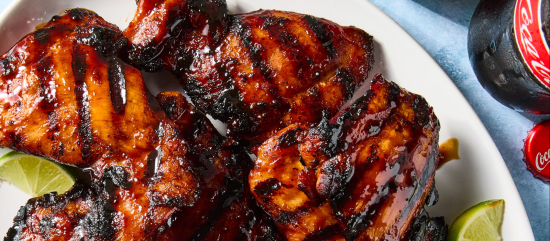
Greatest Of The Grill…..Grilled Coca-Cola Chicken
Tim Wilson - October 16, 2026Everything is better with a Coke… including chicken. Tangy, sweet, and savory, this grilled Coca-Cola chicken will hit every one of your taste buds. If you’re searching…
Most from this category