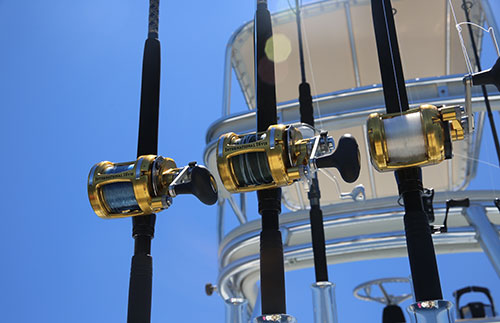
Finding and Tracking Carolina Smoker Kings
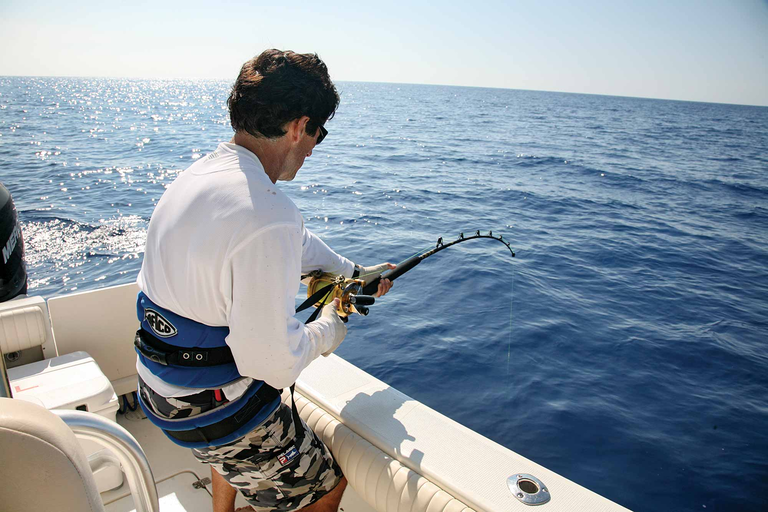
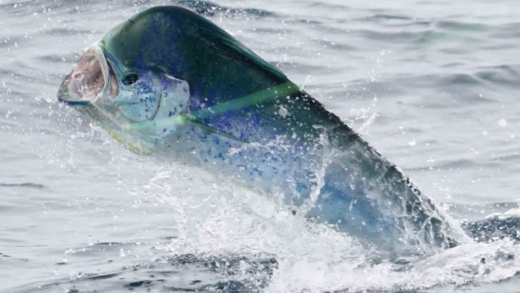
Locating king mackerel, often called “smoker kings”, along the Carolina coast requires understanding their strict relationship with water temperature, bait migrations, and underwater topography. These swift, toothy pelagics do not roam the ocean randomly. They are highly efficient hunters that follow predictable patterns from early spring through late autumn
Temperature is the Primary Catalyst
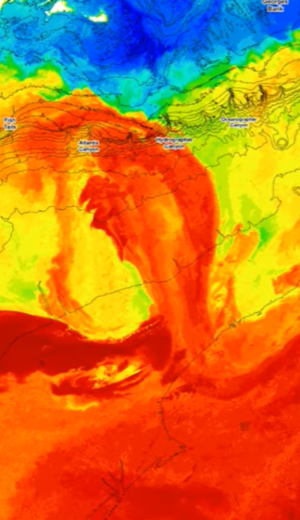
Water temperature dictates exactly where king mackerel travel. Their preferred thermal comfort zone sits firmly between 68°F and 76°F.
- Spring and Autumn: As the ocean warms in May, kings migrate nearshore, pushing right up to the beaches, shipping channels, and public fishing piers. A similar migration occurs in October as they feed aggressively before winter.
- Summer: When nearshore temperatures climb into the mid-80s, large kings retreat to cooler, deeper water offshore, typically holding around structures in 60 to 100 feet of water.
Scan for the Bait Matrix
King mackerel have an exceptionally high metabolism and are never far from their primary food sources. If you locate the bait, the kings are usually nearby.
- Inshore Bait: Look for schools of Atlantic menhaden (pogies) flipping on the surface along nearshore beaches and just outside inlet mouths.
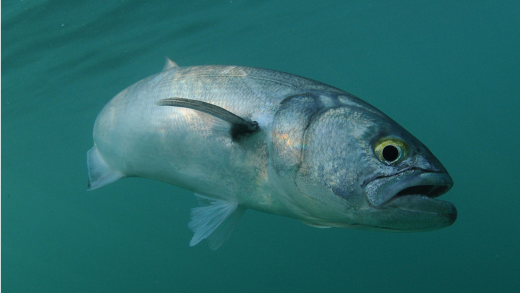
- Offshore Bait: Utilize your electronics to find schools of cigar minnows, sardines, and blue runners stacked over deep structure.
Target Hard Bottom and Artificial Reefs
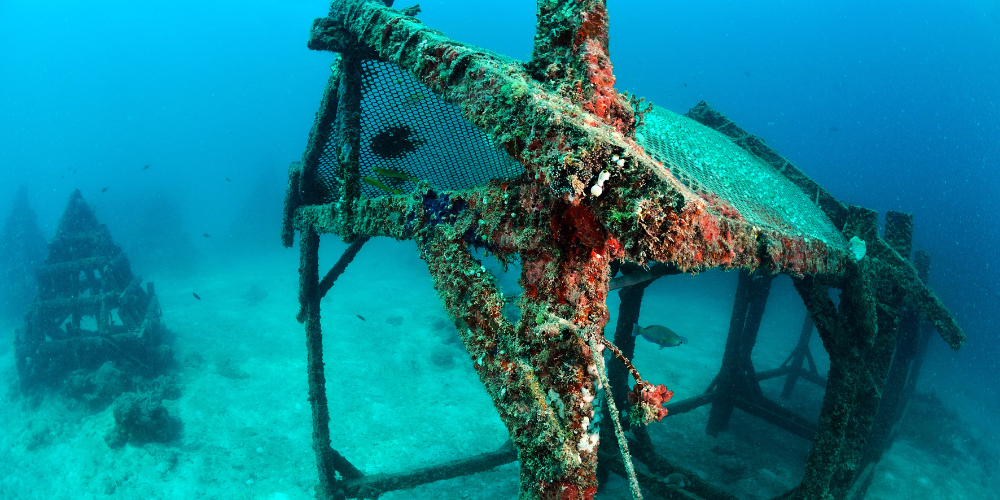
While small “snakes” can be found over open sand, trophy-sized kings rely on distinct underwater contours to ambush prey.
- Live Bottom: Areas of exposed rock, ledge systems, and soft coral growth hold immense numbers of baitfish. The current pushing against these ledges creates upwellings that concentrate plankton, drawing in the entire food chain.
- Artificial Reefs and Wrecks: The Carolina coast is littered with state-managed artificial reefs (ARs) and historical shipwrecks. The vertical profile of a sunken vessel or concrete structure provides an ideal break from strong currents, allowing kings to hover effortlessly while waiting to strike.
Analyze Visual and Digital Cues
Finding kings requires keeping your eyes on both the horizon and your marine electronics.
- Avian Activity: Diving gulls and are the easiest way to locate a feeding frenzy. If birds are picking at fragments of bait, larger predators are likely pushing the school up from the bottom.
- The “Slick”: King mackerel are notoriously violent feeders that frequently chop baitfish in half. This carnage releases oils that rise to the surface, creating a calm, sweet-smelling sheen on the water known as a fish slick.
- Sonar Readings: Tune your fishfinder to look for large, isolated arcs hovering around the edges of bait balls. Kings rarely sit directly in the middle of a bait school; instead, they patrol the perimeter, picking off stragglers.
You may be interested
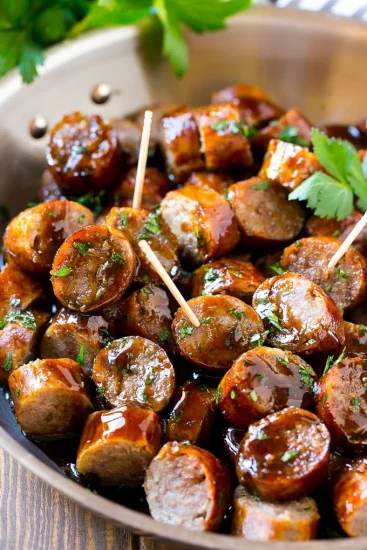
Berr Side Kicks…..Homemade Beer Brat Bites
Tim Wilson - October 16, 2026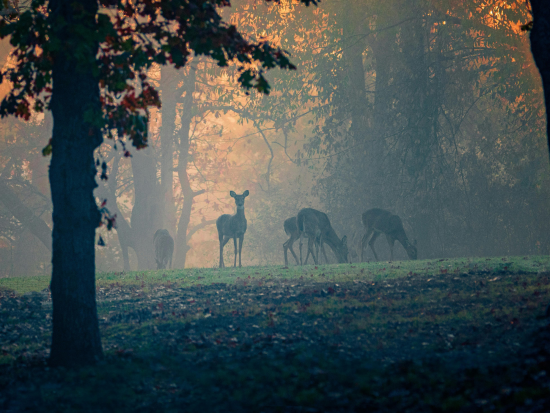
When the Deer Woods Change
Tim Wilson - October 16, 2026The deer woods you hunted in early October may look familiar when November arrives, but the reasons deer use them can change considerably. Across North Carolina, South…
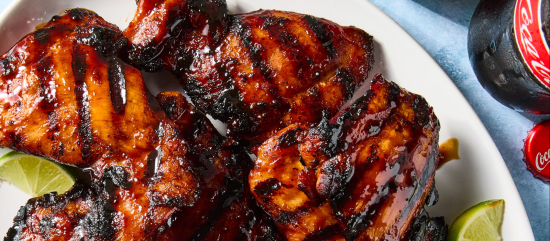
Greatest Of The Grill…..Grilled Coca-Cola Chicken
Tim Wilson - October 16, 2026Everything is better with a Coke… including chicken. Tangy, sweet, and savory, this grilled Coca-Cola chicken will hit every one of your taste buds. If you’re searching…
Most from this category