Beating The Heat When Bass Fishing The Carolinas
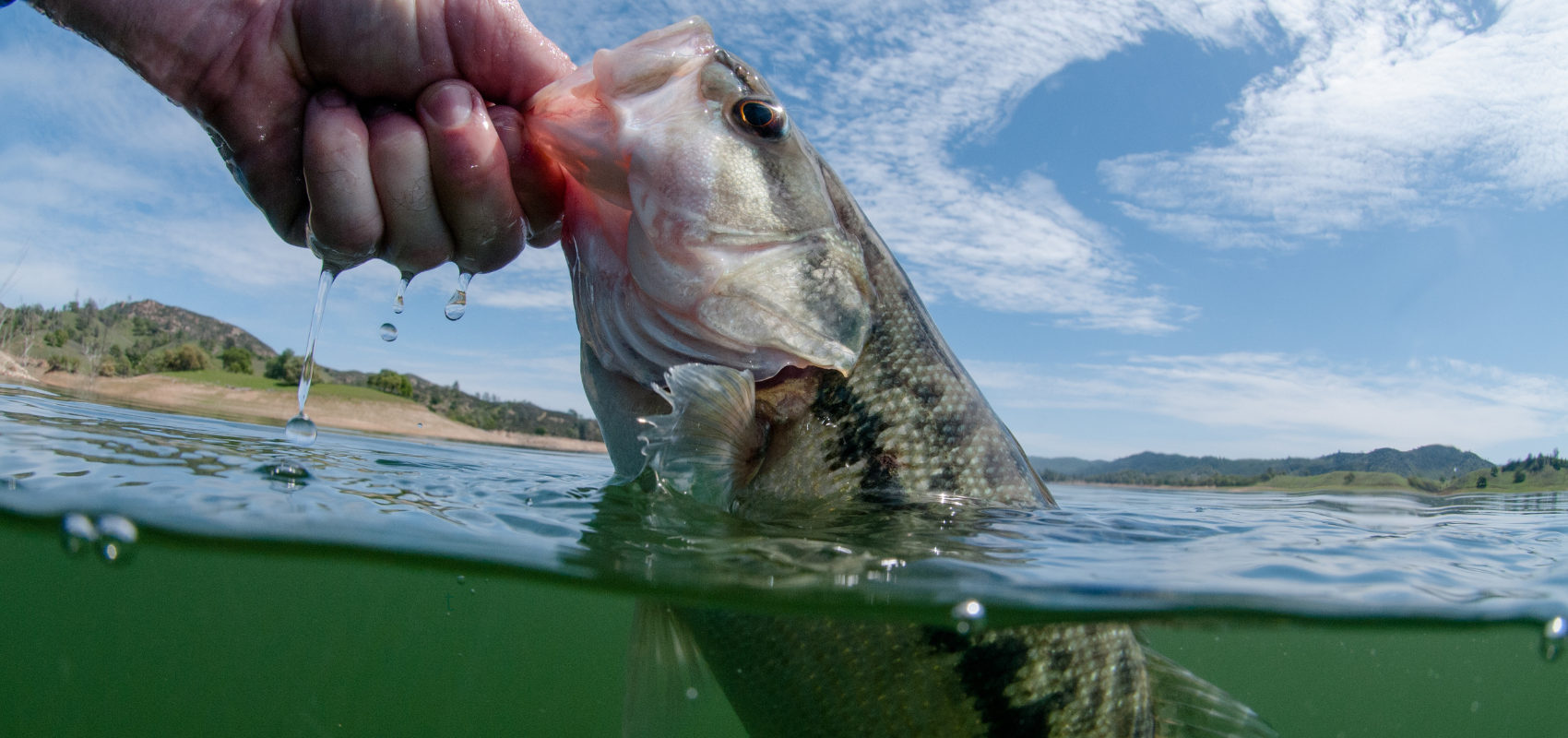
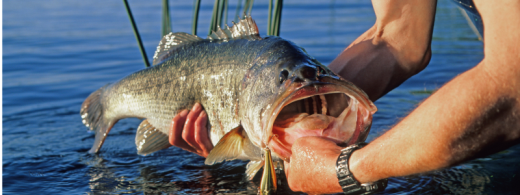
Hot summer weather can make bass fishing more challenging, but the fish don’t stop feeding simply because water temperatures rise. They often change where they spend their time and when they are most active. Understanding these changes can make the difference between a slow day and a productive one.
During the hottest months, early morning is often one of the best times to fish. Overnight cooling can bring bass into shallower water where they feed around grass, docks, points, stumps, and other cover. Topwater lures such as buzzbaits, walking baits, and frogs can be particularly effective during the first few hours of daylight. Spinnerbaits and shallow-running crankbaits can also produce when bass are actively chasing baitfish.

As the sun climbs higher, many bass move toward deeper water, heavy vegetation, or shaded cover. This is when fishermen need to adjust. Instead of continuing to work the same shallow areas that produced early in the morning, start looking for places that provide bass with cooler water, shade, and easy access to food.
Deep points, creek channels, ledges, submerged humps, bridge pilings, and drop-offs can all hold bass during hot weather. Electronics can be especially helpful for locating both fish and schools of bait in deeper water. Finding baitfish is often the first step toward finding summer bass.
Slowing down your presentation can also pay off. Texas-rigged worms, Carolina rigs, jigs, drop-shot rigs, and other soft-plastic presentations allow you to thoroughly work deeper structure. Deep-diving crankbaits can be excellent when bass are more aggressive and holding along ledges or points.
Don’t overlook docks and vegetation during the middle of the day. A dock that creates heavy shade can provide surprisingly good fishing even during the hottest part of the afternoon. Bass may position underneath the darkest portions of docks, making accurate casting important. Skipping a soft plastic or jig underneath these areas can reach fish that other fishermen miss.
Heavy vegetation provides another summer option. Thick grass can create shade and sometimes slightly cooler conditions underneath the surface. Bass often bury themselves beneath mats or along grass edges. Weedless soft plastics, frogs, and heavier jigs can be used to reach these fish.
Current can also be extremely important during hot weather. In lakes and rivers where current is present, even a small amount of moving water can concentrate bait and trigger bass to feed. Pay particular attention to points, bridges, creek mouths, and other places where current pushes food past waiting fish.
Finally, watch the weather. A summer thunderstorm, cloudy conditions, or even increased wind can quickly change bass behavior. Fish that were buried in deep cover may suddenly become more active and begin feeding.
Hot weather bass fishing requires adjustment more than anything else. Start shallow during the cooler hours, move toward deeper water or heavy cover as temperatures rise, and pay close attention to shade, vegetation, current, and baitfish. Bass are still there and still feeding—you simply have to adjust your approach to find them.

You may be interested
The Future of North Carolina’s Fishing Heritage……Chapter 8
Tim Wilson - October 8, 2026The future of North Carolina’s fishing industry will not be determined by one meeting, one regulation, or one decision. It will be determined by the willingness of…
The 2026 Carolina Deer Season
Tim Wilson - October 8, 2026The 2026 deer season is underway in parts of the Carolinas, but hunters need to pay close attention to exactly where and how they plan to hunt.…
What Your First Cast Tells You
Tim Wilson - October 8, 2026The first cast of a fishing trip is usually treated as nothing more than the beginning of the day, but it can actually provide an angler with…
Most from this category