North Carolina’s Inshore Issues…..Chapter Four… When Management Decisions Reach the Dock

The impact of fisheries management decisions is often discussed through statistics, reports, and population estimates, but the true effect of those decisions is experienced at the dock. It is experienced by the fisherman who looks at his boat and wonders whether there will be enough opportunity to justify the expense of keeping it in the water. It is experienced by the family that depends on fishing income, by the businesses that support the industry, and by the communities that have built their identity around the coast.
For many fishermen, the changes in North Carolina’s marine fisheries have represented more than adjustments to regulations. They have represented a gradual shift in a way of life that has existed along the coast for generations.
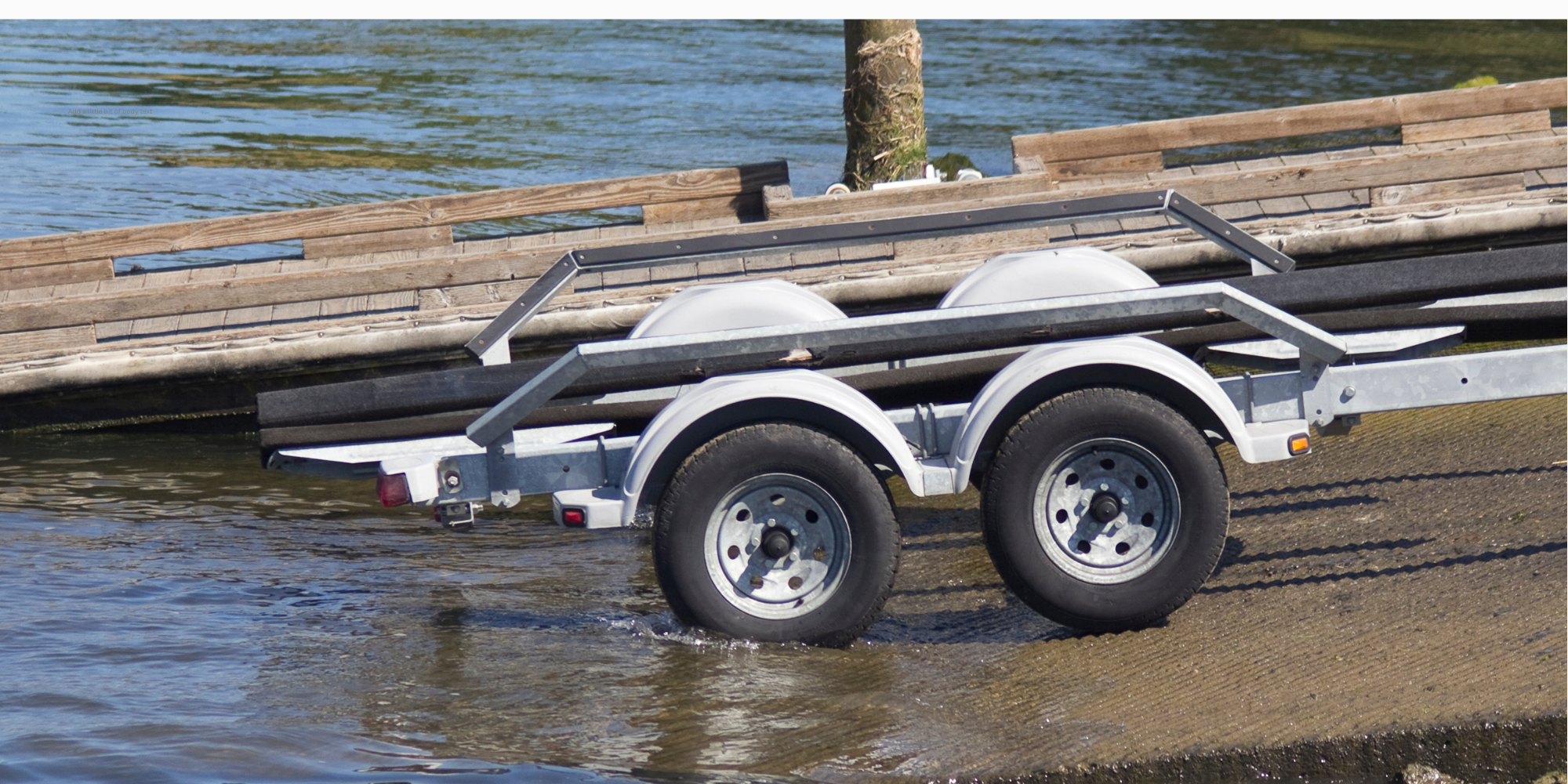 A fishing business requires constant investment. Boats require maintenance, engines need repairs, equipment wears out, and insurance, fuel, permits, and operating costs continue to increase. Unlike many businesses, fishermen cannot simply create more product when conditions become difficult. They depend on a natural resource that is affected by weather, seasons, environmental conditions, and management decisions. When regulations reduce opportunity, the financial consequences can be immediate.
A person who does not work on the water may look at a regulation as a single change in a rulebook. A fisherman sees something very different. He sees fewer days available to work, increased uncertainty, and another challenge added to an already difficult profession. Over time, those challenges can force experienced fishermen out of the industry.
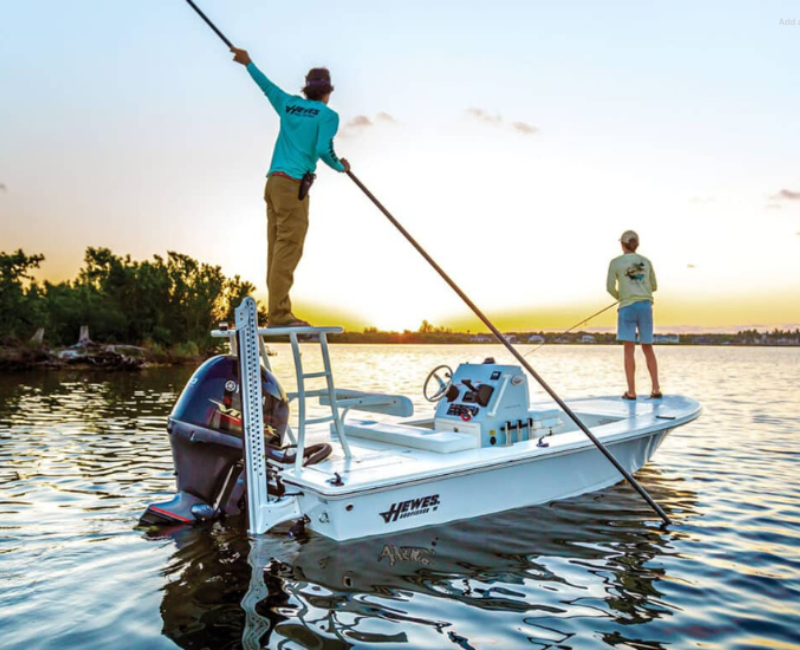 When that happens, the loss is not limited to one individual. A lifetime of knowledge leaves with them. The understanding of local waters, seasonal patterns, and fishing traditions developed over decades can disappear when another generation decides there is no longer a future in the business. This is one of the concerns expressed by many coastal residents who believe fisheries management has not fully considered the human impact of its decisions.
The fishing industry is not only made up of people who catch fish. It includes boat builders, mechanics, marinas, fuel suppliers, seafood businesses, tackle shops, restaurants, and countless other companies connected to the success of the resource. When fishing opportunities decline, the effects move throughout the entire coastal economy. A strong fishery supports strong communities, while a struggling fishery creates uncertainty throughout those same communities.
Many fishermen believe that a better approach would require looking beyond harvest restrictions and examining the entire ecosystem. They argue that if fish populations are changing, the focus should include all possible causes rather than placing the majority of responsibility on fishermen. They point to issues such as habitat changes, water quality concerns, development pressures, and environmental shifts as factors that deserve serious attention. They believe that protecting fish requires protecting the places where fish live, grow, and reproduce.
The argument is that a fishery cannot be restored simply by limiting access to the people who depend on it. A successful management system must address the complete picture.
 The frustration among many fishermen comes from feeling that they are being asked to accept more restrictions without seeing meaningful improvements in the conditions affecting the resource. They question whether the sacrifices they have made have produced the results promised by those decisions. That frustration has created a demand for a different approach, one that includes more communication, more transparency, and more involvement from the people who experience the fishery every day.
Fishermen understand that change is part of the industry. They have adapted to new technology, changing markets, weather challenges, and shifting environmental conditions throughout history. Adaptation is nothing new to people who make their living on the water. What they want is to be part of the conversation about what those changes should look like.
 The future of North Carolina’s marine fisheries depends on rebuilding trust between managers and the people whose lives are directly connected to the resource. Regulations alone cannot create a successful fishery. A healthy future requires cooperation, respect, and recognition that the people standing on the docks are not separate from the resource. They are part of it.
For generations, fishermen have been the eyes and ears of the coast. Their knowledge has helped define North Carolina’s relationship with the water. Ignoring that knowledge risks losing one of the most valuable resources available when making decisions about the future.
The question is not whether the resource should be protected. The question is whether the people who have protected it for generations will have a meaningful role in deciding how that protection is achieved.
You may be interested

Berr Side Kicks…..Homemade Beer Brat Bites
Tim Wilson - October 16, 2026
When the Deer Woods Change
Tim Wilson - October 16, 2026The deer woods you hunted in early October may look familiar when November arrives, but the reasons deer use them can change considerably. Across North Carolina, South…

Greatest Of The Grill…..Grilled Coca-Cola Chicken
Tim Wilson - October 16, 2026Everything is better with a Coke… including chicken. Tangy, sweet, and savory, this grilled Coca-Cola chicken will hit every one of your taste buds. If you’re searching…
Most from this category