Secrets Fishing Guides Use That Anglers Don’t Know About
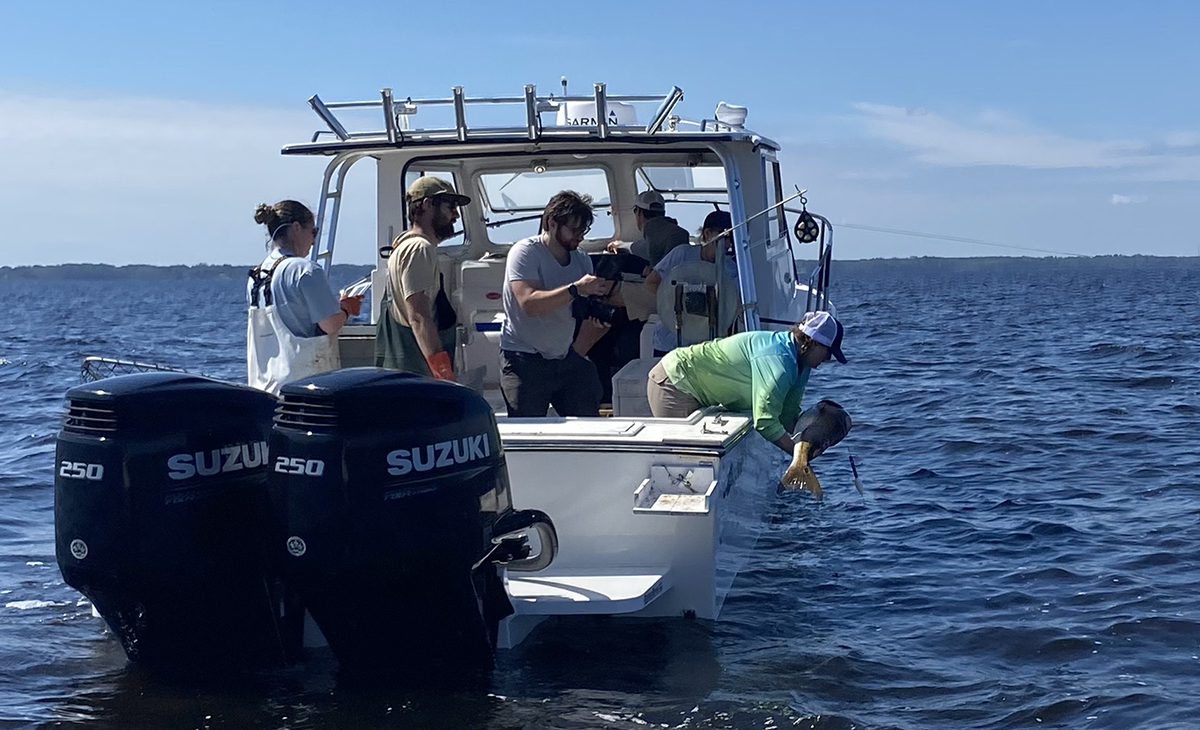
We’re all amazed at how fishing guides nearly always seem to know what to do and where to go to put fish in the boat. Most successful guides are fishing gurus who know how to use every available angle to find and catch fish. Many people assume guides are simply born with a special skill the rest of us don’t have. In some respects, experience may make it look that way, but guides also have a few secrets behind their success.
They Listen and Watch
Fishing guides pay attention to far more than you might think. They keep their eyes and ears open to what’s happening with other fishermen, especially other guides. A lot of people think successful guides already know everything there is to know about fishing. That’s simply not true.
The best guides make it a habit to keep learning. They listen, watch, experiment, and collect information every time they’re on the water. Of course, they may want their charter customers to think they already know just about everything.
They Listen to the Rookies
Here’s something many guides probably won’t admit: sometimes they pay as much attention to the new guys in the fishing business as they do the veterans.
Newer guides and fishermen can bring fresh ideas, different tactics, new lures, and information that an experienced guide might otherwise miss. Veteran fishermen can occasionally become set in their ways, while the new guy may be willing to try something completely different. A smart guide knows that good information is good information, regardless of where it comes from.
They Watch the Old Beat-Up Jon Boat
Most anglers will instinctively pay attention to the $200,000 flats or bay boat outfitted with every electronic gadget and fishing accessory imaginable. A veteran guide may be watching something entirely different: that old, beat-up Jon boat.
The guy running that Jon boat may have fished the same water almost every day for decades. He knows where the fish are likely to be, when they’ll be there, and which conditions produce the best bite. That kind of knowledge doesn’t come from expensive electronics. It comes from years of being on the water.
They Check Out the Competition’s Rigs
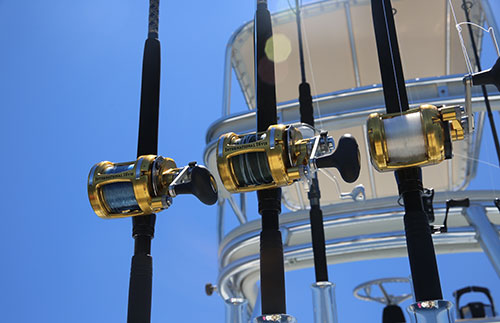
Guides also pay attention to what their competitors are using. A quick look at another fisherman’s rods and rigs can provide valuable information about the latest lures, colors, tackle, and even the depth at which fish are biting.
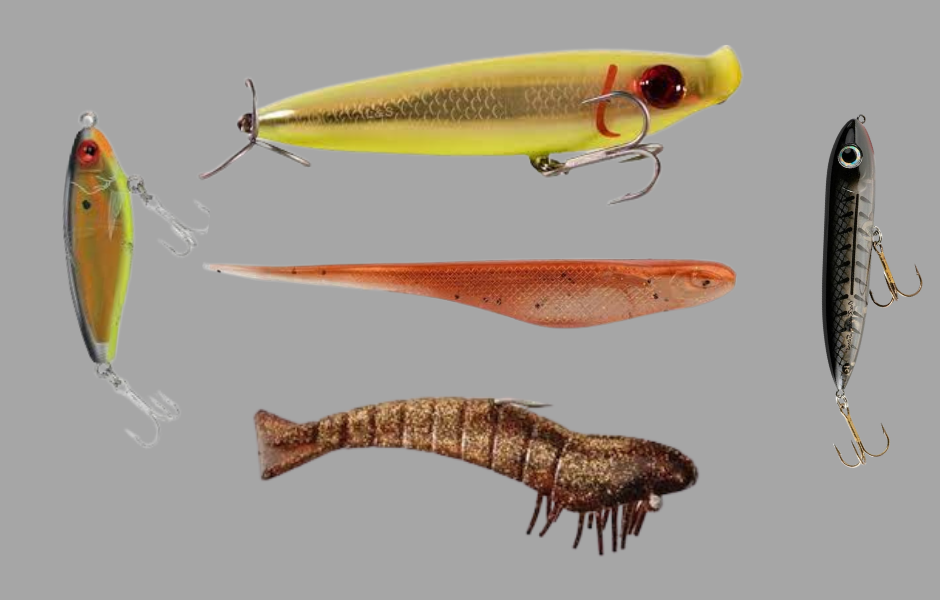
Of course, guides know other fishermen are watching them too. Some will even lay their rods and reels flat on the deck when returning to the dock so nobody gets a good look at what they were using.
They Check Facebook
A smart guide may regularly check Facebook to get a better feel for what’s biting and potentially where the action is taking place. But experienced guides also know to look closely at those fishing photos before believing everything they see.
One of the easiest clues is clothing. If a fishing report posted in July shows fishermen wearing heavy coats, there’s a pretty good chance those fish weren’t caught yesterday. Old fishing photos are often recycled, and smart guides learn to look for the little details that reveal when a catch actually occurred.
They Scout Together
It’s not unusual for two fishing guides to team up for a scouting trip. Without customers aboard, they can spend the day checking different locations, comparing rigs, experimenting with lures, and trying different tactics.
Both guides bring their own experience and knowledge to the boat, and swapping information can make the trip a valuable learning experience for both of them.
The fact is, fishing guides depend on a lot more than simply knowing how to catch fish. Most have been fishing much of their lives and have accumulated thousands of hours of experience. They understand that conditions change, fish move, bait moves, and yesterday’s successful tactic may not work today.
The best guides know how to adjust, where to look for information, and most importantly, how to put all of that knowledge together once they’re on the water.
Never underestimate the knowledge and skill of a good fishing guide or charter captain.

You may be interested
The Future of North Carolina’s Fishing Heritage……Chapter 8
Tim Wilson - October 8, 2026The future of North Carolina’s fishing industry will not be determined by one meeting, one regulation, or one decision. It will be determined by the willingness of…

The 2026 Carolina Deer Season
Tim Wilson - October 8, 2026The 2026 deer season is underway in parts of the Carolinas, but hunters need to pay close attention to exactly where and how they plan to hunt.…
What Your First Cast Tells You
Tim Wilson - October 8, 2026The first cast of a fishing trip is usually treated as nothing more than the beginning of the day, but it can actually provide an angler with…
Most from this category