Dealing With The Impact of Tides & Currents When Fishing
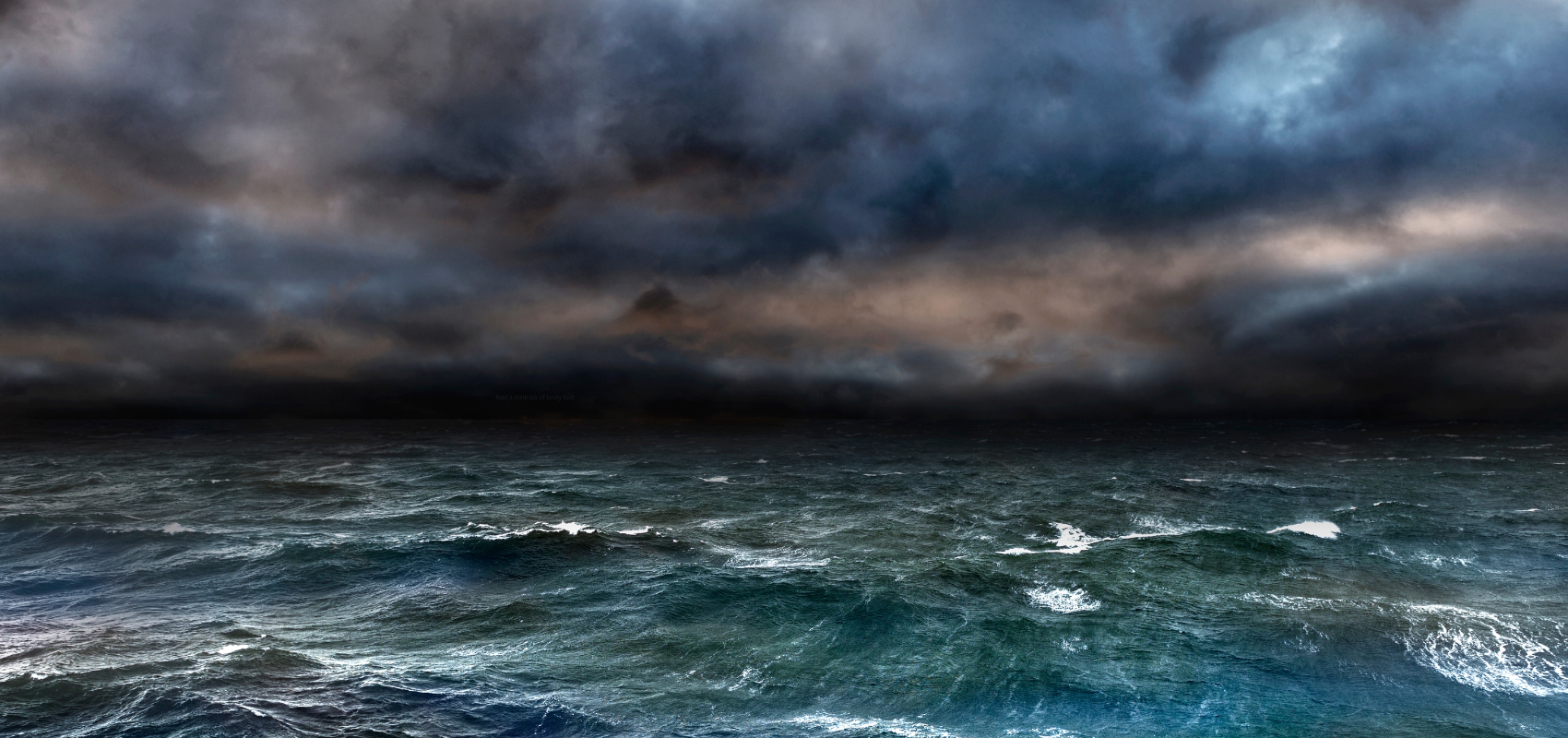
Tides are one of the most powerful forces affecting inshore fishing, yet many fishermen still plan a trip around where they want to fish rather than what the water will be doing when they get there. That can be a costly mistake. Fish react constantly to changes in water level and current, and understanding those movements can help you determine not only where to fish, but when to fish a particular location.
Before leaving the dock, study the tide predictions for the area you plan to fish. Look beyond the times of high and low tide and pay attention to how much the water will rise or fall. That difference can provide an indication of how much current you may encounter during the day. It can also help determine which areas are likely to hold fish during different stages of the tide.

Moving water is important because it moves food. Shrimp, minnows and other small bait are carried by the current, creating opportunities for larger fish to feed. Rather than randomly chasing bait, gamefish frequently position themselves in places where the current does much of the work for them. Creek mouths, points, oyster beds, channel edges and other areas that funnel moving water can become natural feeding stations.
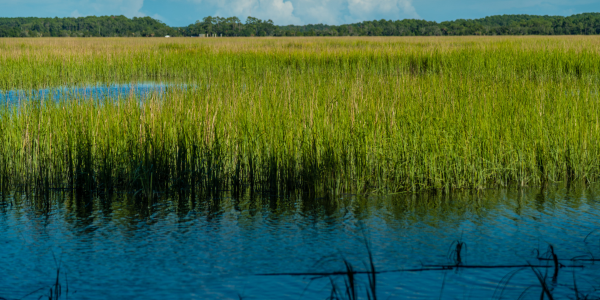
There can also be too much of a good thing. When the current becomes extremely strong, fish may move away from the fastest water. Fighting a heavy current requires energy, so they often look for nearby areas that provide some protection while still allowing them to take advantage of passing bait. An oyster bed, dock piling, creek bend or other obstruction can create exactly that type of opportunity.
The amount of current should also affect your tackle. A lure that reaches the bottom easily during light current may be almost impossible to control once the water starts moving faster. Increasing the weight of a jighead or sinker can help keep the bait in the productive part of the water column. As the current decreases, lighter tackle can once again provide a more natural presentation.
Water level is equally important. I often prefer fishing lower stages of the tide because there is simply less water for fish to occupy. As water drains from marshes and shallow areas, bait is forced toward creeks, channels and deeper holes. Predators frequently take advantage of these concentrated food sources. Higher water can produce good fishing too, but fish may spread into flooded grass and other areas that aren’t available during low water.
King Tides can make the situation even more interesting. These unusually large tides can completely change familiar fishing areas. Fish may move into places where you rarely find them, while some of your normally productive locations may suddenly stop producing. The additional water can create excellent opportunities, but it can also make fish considerably harder to locate.
Finally, don’t depend entirely on the tide chart. Wind can push water into or out of an area and change what you actually experience on the water. Strong winds can affect water levels, current speed, clarity and the movement of bait.
The tide chart gives you a starting point. What you see happening once you’re on the water completes the picture. Learn to recognize where the current is carrying the bait, where fish can feed without fighting the strongest flow, and how those locations change as the water rises and falls. Do that consistently, and tides and currents become an advantage instead of simply another condition you have to deal with.

You may be interested
The Future of North Carolina’s Fishing Heritage……Chapter 8
Tim Wilson - October 8, 2026The future of North Carolina’s fishing industry will not be determined by one meeting, one regulation, or one decision. It will be determined by the willingness of…
The 2026 Carolina Deer Season
Tim Wilson - October 8, 2026The 2026 deer season is underway in parts of the Carolinas, but hunters need to pay close attention to exactly where and how they plan to hunt.…
What Your First Cast Tells You
Tim Wilson - October 8, 2026The first cast of a fishing trip is usually treated as nothing more than the beginning of the day, but it can actually provide an angler with…
Most from this category