Cool Nights, Changing Lake Fishing
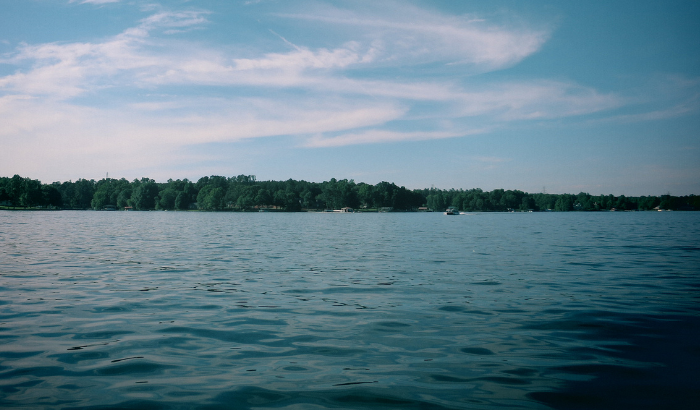
September afternoons can still feel like midsummer throughout the Carolinas. Heat and humidity remain common, and surface water temperatures may stay high. The more important change is happening after sunset. Nights are becoming longer, giving Carolina lakes more time to release the heat they accumulated during the day.
That gradual cooling begins changing the entire freshwater food chain. On North Carolina reservoirs such as Jordan, Falls, High Rock and Norman, baitfish begin shifting locations as conditions change. Bass, crappie and striped bass respond by following their food and moving away from some of the patterns that dominated during the hottest weeks of summer.
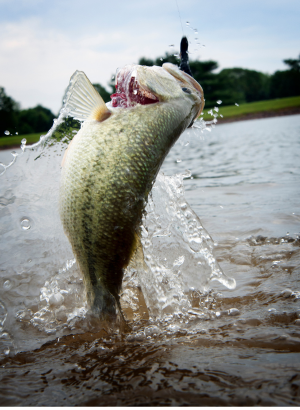
Bass provide one of the most obvious examples. Many fish spend summer around deeper structure, main lake points and offshore cover. As shad begin moving toward creeks, bass increasingly appear around secondary points, pockets and shallower structure. The movement may begin slowly, with some fish remaining deep while others establish a completely different fall pattern.
Crappie respond in their own way. Fish that spent summer around deeper brush and channel structure may begin using intermediate depths as forage relocates. Striped bass and hybrids can become increasingly active around schools of bait, sometimes pushing them toward the surface and creating dramatic feeding activity.
The important lesson is that water temperature doesn’t influence only the predator fish fishermen are trying to catch. It affects plankton, baitfish and other parts of the food chain. A bass moving into a creek may not be responding directly to a small temperature change. It may simply be following shad that moved because conditions became more favorable there.
Fishermen should begin recording temperatures instead of merely glancing at the electronics. Compare the reading with the previous week’s trip and check different sections of the lake. A shallow creek can cool faster overnight than the main lake, while incoming river water may create another temperature difference entirely.
Jordan Lake’s large creek arms can demonstrate those differences clearly. High Rock Lake’s stained water and river influence create another set of conditions. Lake Norman’s deeper main body may respond differently than shallow creek sections. South Carolina’s Lake Murray and the sprawling Santee Cooper lakes each have their own fall progression.
Cold fronts can accelerate everything. One cool night may have limited impact, but several nights in succession can move the seasonal transition forward quickly. Fishermen who return to the same location using the same presentation simply because it worked the previous weekend may discover that both the bait and fish have moved.
Fall doesn’t arrive underwater on a particular date. It develops through thousands of small changes in temperature, daylight and forage movement. Throughout September, those cooler Carolina nights are quietly rewriting the fishing pattern, and fishermen who notice the changes early have a much better chance of staying with the fish.
You may be interested
September Teal….. Carolina Waterfowl Season
Tim Wilson - September 30, 2026Waterfowl hunting usually brings images of cold fronts, heavy jackets and winter mornings, but September teal hunting along the Carolina coast is a completely different experience. Warm…
This Week’s Offshore Conditions Forecast
Tim Wilson - September 25, 2026The latest in offshore conditions. Click for full information. https://youtu.be/SZ3JnOloRHE?si=zuBbxUQhw3Gcah63 https://youtu.be/o03wbLuGckI?si=FL1jlf_-gvISsJ8O
Trust and the Future of North Carolina’s Fisheries……Chapter 6
Tim Wilson - September 24, 2026The conflict surrounding North Carolina’s marine fisheries has never been only about fish. For many fishermen, it is also about whether the people making decisions understand what…
Most from this category

Early Deer Season…. Why September Whitetails Require a Different Strategy
Tim Wilson - September 24, 2026
Follow the Bait….Follow the Bait: Why Finger Mullet Can Tell You Where the Fish Are
Tim Wilson - September 24, 2026