Trust and the Future of North Carolina’s Fisheries……Chapter 6
The conflict surrounding North Carolina’s marine fisheries has never been only about fish. For many fishermen, it is also about whether the people making decisions understand what happens on the water and take their experience seriously. When that confidence is lost, even a decision intended to protect the resource can be met with anger and resistance.
Many fishermen believe communication has weakened over time. They attend meetings and share their concerns, but leave unsure whether anything they said influenced the outcome. A fisherman who has spent decades on the water brings more than an opinion to those meetings. He brings years of observing changes in fish, habitat, weather, and local conditions. He also knows what a new restriction may mean for his family and the community that depends on his work. When that knowledge appears to carry little weight, it becomes harder to believe the process is fair.
Fishermen understand the need to protect marine resources. Many have adjusted how they work throughout their careers and expect to keep adapting. Their concern is that harvest limits can become the focus while other pressures on fisheries receive less attention. Coastal development, habitat loss, pollution, changing water conditions, and natural cycles can all affect what they see on the water. They want management decisions to consider those factors alongside fishing activity and to explain clearly how each decision is expected to help.
Scientists and managers have information fishermen need, just as fishermen have observations that can help scientists and managers. Neither kind of knowledge should be dismissed. Bringing them together takes more than allowing people to speak at a meeting. It takes a willingness to examine concerns, answer questions directly, and show how the information was used. When a difficult decision is necessary, people are more likely to accept it if they can see the reasoning behind it.
Rebuilding trust will take time, especially where fishermen feel they have been heard but not listened to. It begins with treating them as partners in protecting the resource and being honest about what is known, what remains uncertain, and what the state can do about it. North Carolina’s fisheries need sound management. They also need the experience of the people who have spent their lives on the water and want those fisheries to survive.
You may be interested
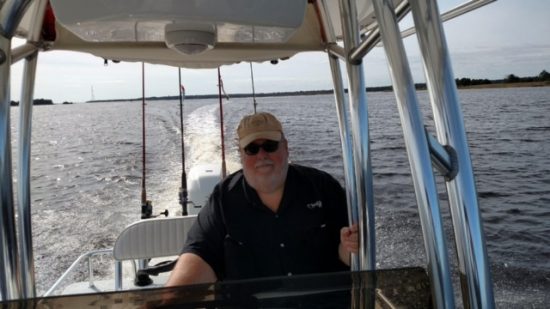
An Angler Looks At 70
Tim Wilson - September 24, 2026Growing up in the foothills of North Carolina, fishing was a far cry from fishing on the Carolina coast. However, fishing in my early years is something…
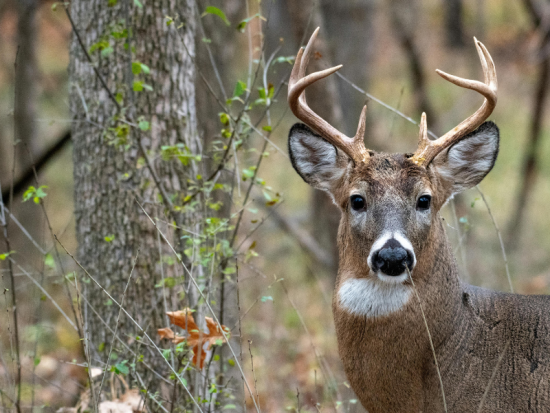
Early Deer Season…. Why September Whitetails Require a Different Strategy
Tim Wilson - September 24, 2026September deer hunting bears little resemblance to hunting the rut in November. Carolina whitetails haven't suddenly abandoned their normal routines to search for does, and hunters who…
The Carolina Fall Fishing Calendar…What To Expect
Tim Wilson - September 24, 2026Fall doesn't arrive along the Carolina coast in a single weekend. It develops gradually, moving through different stages from September into November. For fishermen, that creates nearly…
Most from this category
Follow the Bait….Follow the Bait: Why Finger Mullet Can Tell You Where the Fish Are
Tim Wilson - September 24, 2026
Cooling Water, Hotter Fishing: What a Five Degree Temperature Drop Can Do
Tim Wilson - September 24, 2026