North Carolina Marine Fisheries……A Different Path Forward….Chapter 7
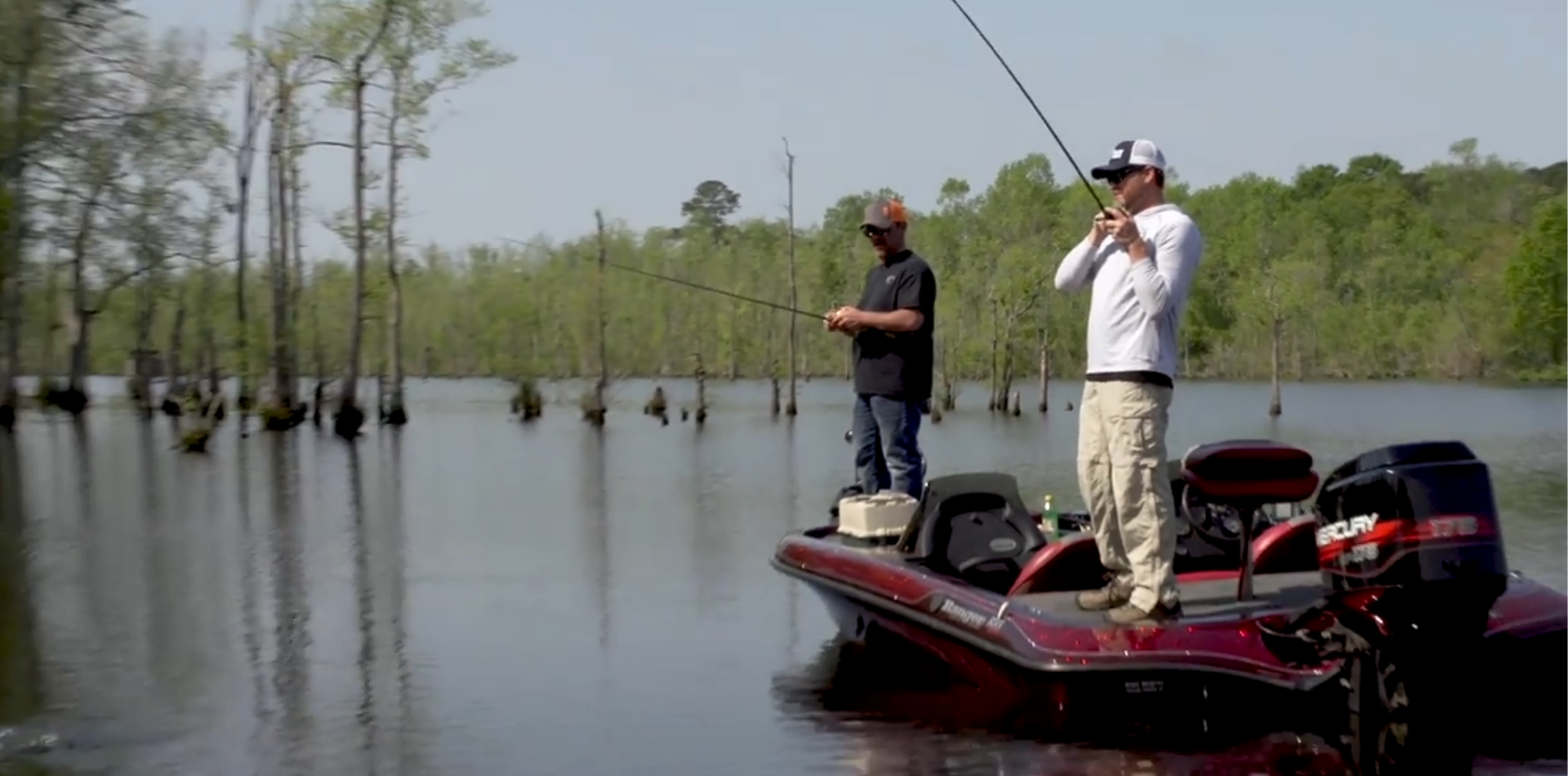
The future of North Carolina’s marine fisheries does not have to be defined by the conflicts that have surrounded them for so many years. Fishermen, scientists, managers, conservation groups and coastal communities may disagree about how our fisheries should be managed, but there is something they all have in common: they depend on a healthy coastal environment and a fishery that can support future generations. The problem is that somewhere along the way, protecting the resource and protecting the people who depend on it have too often been treated as competing interests rather than two parts of the same equation.
The coast belongs to everyone, but that also means everyone has a responsibility for what happens to it. The fishermen who have worked these waters for generations bring something to the discussion that cannot be duplicated in a laboratory or found in a management report. They have spent decades watching the water, following the fish, seeing changes in weather and habitat and experiencing good years and bad ones firsthand. That knowledge has value. Scientific research has value as well, providing information that can identify trends and help us understand changes that may not be obvious from the deck of a boat. Rather than forcing those two sources of knowledge to compete with each other, the better approach is to put them together and use each for what it can tell us.
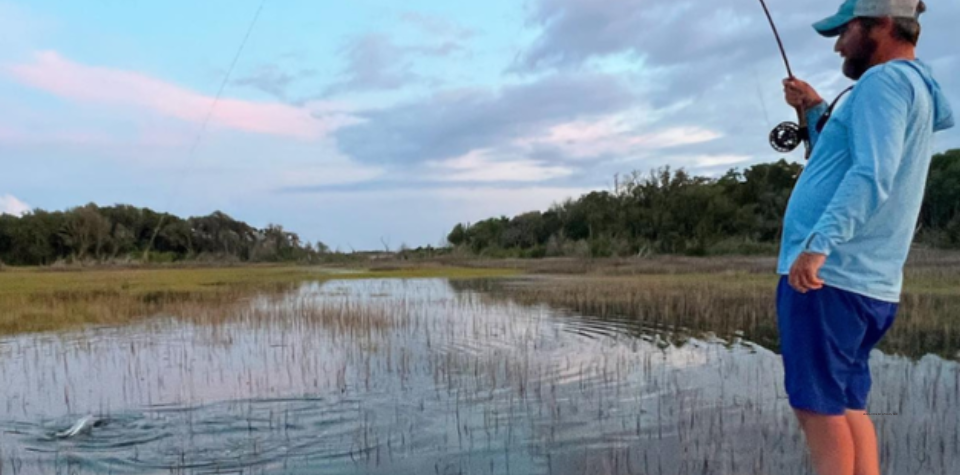
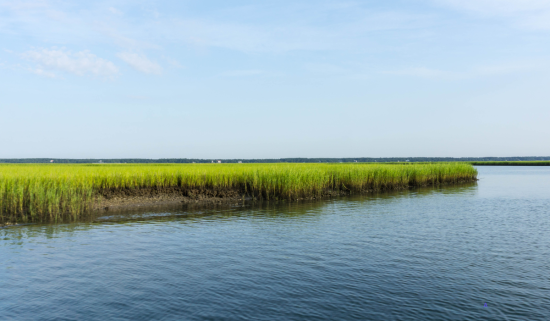
The health of the fishery also cannot be separated from the health of the environment that supports it. Healthy estuaries, clean water, productive marshes and functioning coastal habitat are all part of the equation. We can regulate how fish are caught, but regulations alone cannot replace the habitat those fish need to survive. If we want healthy fisheries, then we have to pay attention to the entire system that produces them.
There is another part of this discussion that deserves more attention. Fishermen are not outsiders looking in at North Carolina’s coastal environment. They are part of its history, its economy and its culture, and many have spent their entire lives learning these waters. They have watched fisheries change, adapted when conditions changed and continued working through difficult seasons, unpredictable weather and economic pressures that many people on land never see. When regulations change or new management decisions are made, those decisions don’t just affect numbers on a chart. They affect people, families, businesses and communities that have depended on the water for generations.
That doesn’t mean fishermen should always get their way, just as it doesn’t mean scientists, managers or conservation groups should always get theirs. A healthy fishery is too important and too complicated to be reduced to who wins the next argument. What it does mean is that the people who have spent their lives on these waters deserve to have their experience heard, just as scientific information deserves to be considered. The strongest decisions will come when both are part of the conversation rather than when one is dismissed because it doesn’t fit someone else’s position.
North Carolina’s fishermen have always understood that the water changes and that fishing changes with it. They have adapted because they had to, and they will continue to do so. What they should not have to accept is being treated as though they are somehow separate from the resource they have spent their lives pursuing. Their livelihoods depend on healthy fisheries, just as the future of those fisheries depends on people who understand and care about the waters they work.
The future of fishing in North Carolina should not become a story about what we once had and could not save. It should be about what we recognized in time to protect. The decisions being made today will determine what a young person launching a boat along the North Carolina coast finds years from now. Will there still be healthy estuaries, productive waters and enough fish to support both a recreational fishery and the people who make their living from it, or will future generations know these fisheries primarily through stories told by those who were here before them?
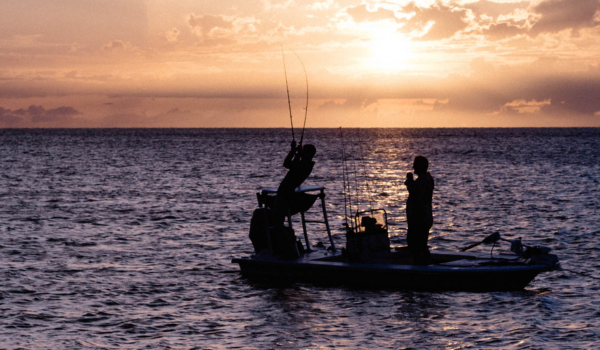
North Carolina has something along its coast that cannot simply be replaced once it is gone. Protecting it will require more than regulations, more than science and more than good intentions. It will require people with different interests to recognize that they are all connected to the same water and that the health of the resource ultimately affects everyone. The fishermen, scientists, managers, conservationists and coastal communities may not agree on every answer, but they don’t have to agree on everything to begin working toward the same objective.
The water has always connected the people of North Carolina’s coast. The challenge now is making sure it continues to do exactly that for generations to come.
You may be interested
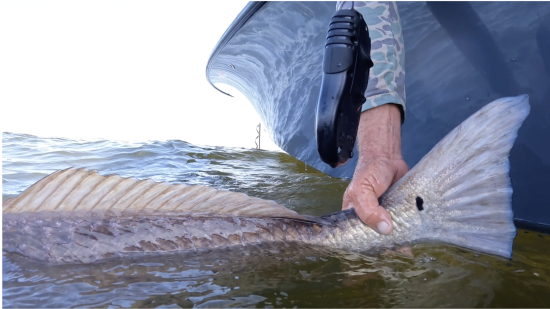
Fall Running Of The Bulls….Big Bull Redfish
Tim Wilson - October 1, 2026There’s nothing quite like hooking into a big Bull Redfish, especially when a 30-pounder decides to eat your lure and immediately tries to take the rod with…
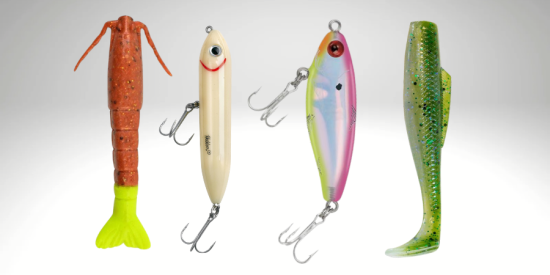
The Hottest Fall Lures For 2026 Fall Saltwater Fishing
Tim Wilson - September 30, 2026Fall brings some of the most exciting inshore fishing of the year along the Carolina coast. Schools of mullet, shrimp, and other forage give redfish and speckled…
History Behind The Carolina Creeks
Tim Wilson - September 30, 2026A Carolina creek can look like nothing more than a quiet place to fish. A bend in the marsh, an oyster bank exposed by falling water, or…
Most from this category