Fall Running Of The Bulls….Big Bull Redfish
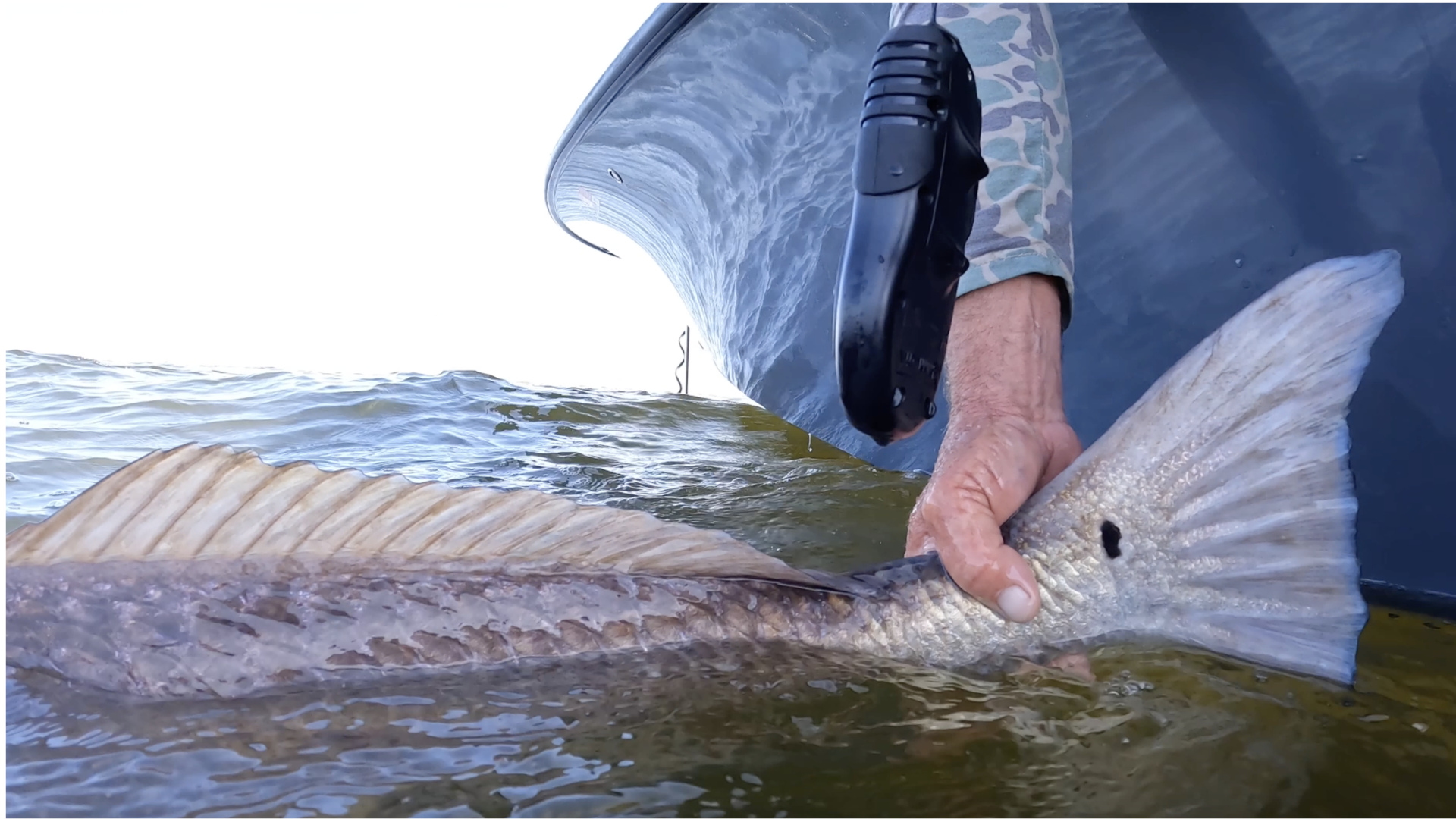
There’s nothing quite like hooking into a big Bull Redfish, especially when a 30-pounder decides to eat your lure and immediately tries to take the rod with him. From August through November, Bull Reds often gather in predictable areas, giving anglers plenty of opportunities to get in on the action. As fall progresses, however, the numbers begin to thin out and the bites can become harder to come by. That’s when I change my approach.

Instead of anchoring near structure and soaking cut or live bait, I switch to artificials and start working the prime areas for active fish. It takes a little more effort and some precise boat positioning, but when you find a hungry Redfish, the payoff can be tremendous.
When To Go
My favorite window is the last two hours of the outgoing tide or the first two hours of the incoming tide, with mid-September through November being the prime period. I concentrate on the outside edges of rock piles and jetties, using the trolling motor to continually adjust my position and keep the lure working where I want it.
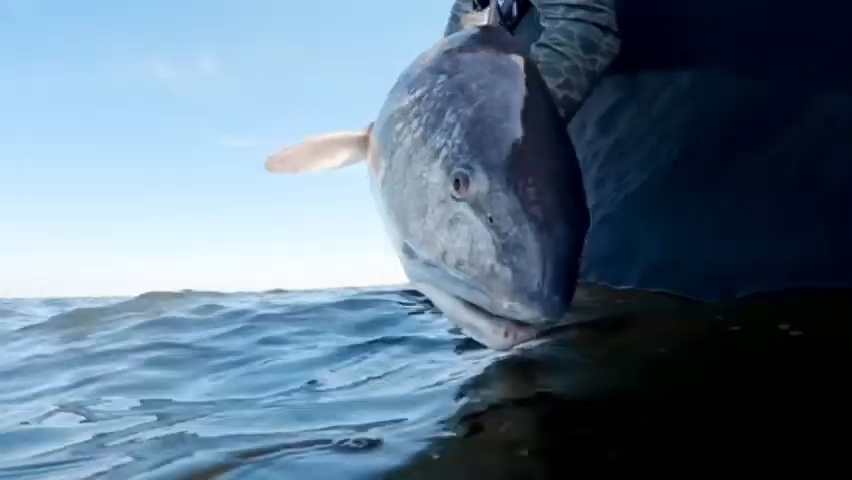
I pitch the lure slightly toward the center of the structure and up-current, then work it back through the edges by alternating between short hops and a steady swimming retrieve. A large percentage of the strikes come while the lure is falling or sitting still, so don’t get in a hurry.
There is another situation you need to be ready for. Occasionally a big Red will swim underneath the lure and inhale it from below, leaving you with little or no sensation through the rod. If you feel that or any other strike, quickly take up the slack and set the hook hard. Once hooked, use your trolling motor and rod pressure to move the fish down-current and away from the rocks before he can use the structure to his advantage.
Equipment
For very light or slack current, I’ll drop down to a Penn Battle 3000. Most of the time, though, I use a Penn Battle 5000 spinning reel matched with a 7-foot medium-heavy, fast-action rod. The reel is spooled with 65-pound braid and about 30 inches of 40-pound fluorocarbon leader, connected with a barrel swivel to help eliminate line twist.
For the business end, I normally use 1- to 2-ounce jig heads. I haven’t found color to make a dramatic difference, although white or an unpainted head are my usual choices. My go-to soft plastics include an 8-inch Hogy paddle tail, a 9-inch Hogy Eel tail and a 4-inch Gulp Shrimp in New Penny Fleck.
I’ve also had good success with a green-and-white Spro Bucktail dressed with either a chartreuse or white trailer. When I’m fishing an unscented plastic, I’ll add scent, and in my experience it can make a difference in getting those extra strikes.
Late-season Bull Redfish may not always be as easy to find as they are earlier in the fall, but that’s part of what makes this approach so rewarding. When you locate the right piece of structure, put the lure in the right place and a big Redfish crushes it, you’ll quickly forget about all the casts that came up empty.

You may be interested
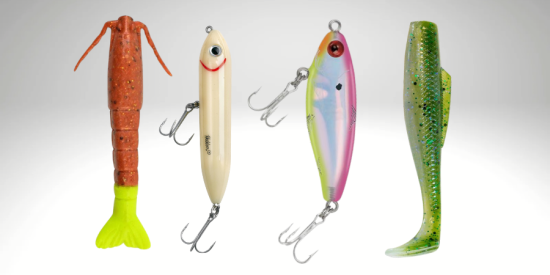
The Hottest Fall Lures For 2026 Fall Saltwater Fishing
Tim Wilson - September 30, 2026Fall brings some of the most exciting inshore fishing of the year along the Carolina coast. Schools of mullet, shrimp, and other forage give redfish and speckled…
History Behind The Carolina Creeks
Tim Wilson - September 30, 2026A Carolina creek can look like nothing more than a quiet place to fish. A bend in the marsh, an oyster bank exposed by falling water, or…
Schooling Stripers and Hybrids….It’s That Time Of Year
Tim Wilson - September 30, 2026Spring receives most of the attention from Carolina crappie fishermen, but September begins another transition that can produce excellent fishing. As nights lengthen and water temperatures gradually…
Most from this category