The Offshore Baitfish….Every Species Plays a Part
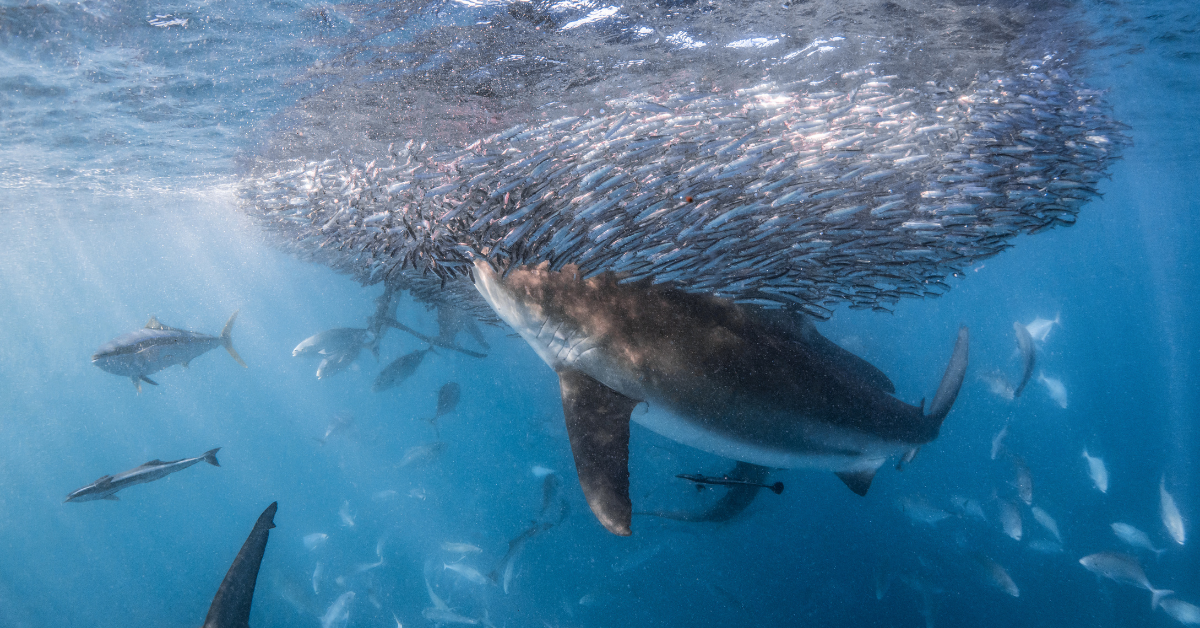
Every creature in the estuarine, nearshore, and bluewater environments plays an important role in the health and sustainability of our offshore fishery food web. Every creature from the lowly phytoplankton, to zooplankton to the pelagic giants at the top of the food chain absolutely depend on a bait sequence to survive. Even after their natural death, all species become “bait” to benthic species including bottom fish in the snapper-grouper complex, shark species, and the like. So the bottom line, everything is essential bait to another pelagic fish. At the top of the food chain perhaps the mighty blue marlin has only two known predators as bait which is believed to be the shortfin Mako and the great white.
Most of us pelagic fisherman— those hunting Billfish, Yellowfin, Blackfin and Bigeye Tuna, Wahoo, Dolphin, Mackerel and Cobia have an interest in the baitfish complex. Here are just a few facts in this complex, ever-changing food web dynamic.
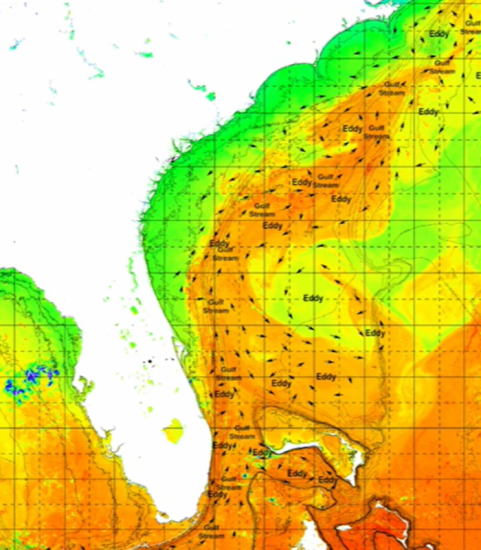
The basis of the entire pelagic food chain has its roots in the microscopic production of phytoplankton. They tend to bloom in nutrient-rich waters close to shore, near and in estuaries but also in upwellings that occur along current boundaries, especially edges along the Gulfstream where back-loop eddy’s on the western wall “upwell” nutrient waters to the surface. “Zooplankton” uptake phytoplankton this is the primary food source for the filter /feeder bait fish like mullet menhaden, and flying fish. Of course, these bait species support the king mackerel fishery, the giant bluefin concentration in late winter/early spring, and with the flying fish supporting numerous topwater pelagics throughout the year along the Gulfstream current.
There are 2 additional categories of bait fishes that play an important role for large bluewater pelagic fish. Other than the filter feeders, “toothy” fish provide an important resource. Many of these are the smaller-sized and juvenile gamefish or several species in the Tuna/Mackerel family. In fact, two species of Mackerel— the frigate and bullet—are so important to Blue Marlin, Dolphin, and Wahoo that they are recognized by the South Atlantic Fishery Management Council (SAFMC) as an eco-systems component of the Dolphin/Wahoo fishery management plan under amendment 12 to that FMP. And of course, blue marlin love “peanut” sized Dolphin and small Yellowfins.
Lastly, there are many small “schooling minnow-like “species and sardine-related species that are too many to name, but yellowfin tuna eat em like popcorn. Also, Eel and Squid make up partial diets and are common to many of our pelagic gamefish’s healthy eating habits. Swordfish love Squid.
So next time you put that 60-pound Yellowfin, Dolphin, or Wahoo on your cockpit deck, remember that this beauty all started with a little bit of sunlight and a nutrient-rich water environment.

You may be interested
Catching Crappies on Kerr Lake……With Carolina All Out
Tim Wilson - October 22, 2026CAO Pro Staffer Scooter Lilley heads to Kerr Lake to fish for big slabs with Kerr Lake Crappie and Cats Guide Service owner Captain Chris Bullock. Enjoy…
Offshore Ocean Conditions
Tim Wilson - October 22, 2026Don’t take a chance when it comes to knowing what the fishing condtions are and where thoe great sports are. ROFFS will remove the guesswork and put…
The Final Chapter…… Protecting the North Carolina Estuaries and It’s People
Tim Wilson - October 22, 2026My family’s history goes back to the beginning of the state of North Carolina. We have founded towns within the state, fought in its wars, and played…
Most from this category
One Fish, Four States: How North Carolina’s Flounder Compare to Its Neighbors
Tim Wilson - October 22, 2026