How Hurricanes Impact Fishing
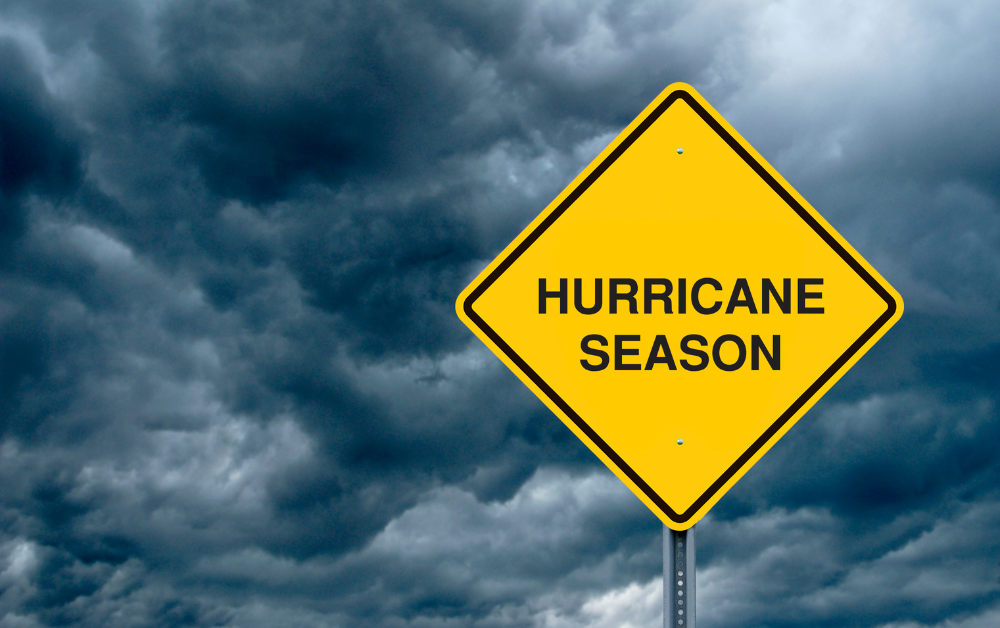
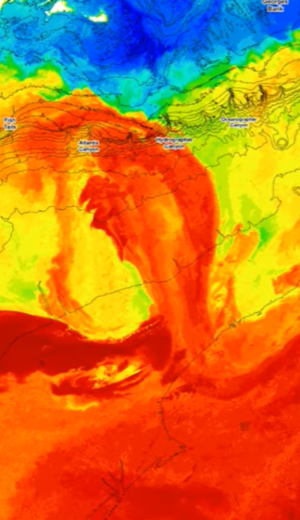
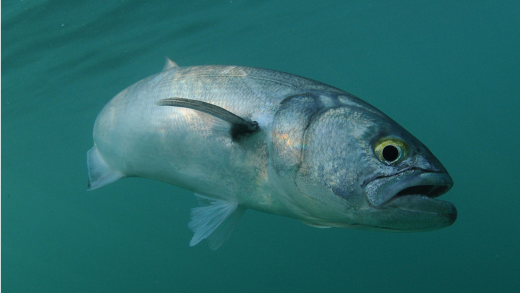
Hurricanes can have an impact on late summer and fall fishing. Several factors can determine the size of that impact. First, you need to understand that the ocean is layers of temperature and salinity. These factors determine where in the water column the fish will be after the storm passes. The salinity is also driven by how much water floods out of the inlets and into the areas around the inlets both during and after the storm. The inland water has far less salinity and mixes with the ocean water to dilute and create a significant drop in the water’s salt content. Cold rains from large storms and hurricanes with little or no salt content can also change the temperature and salinity. Speckled Trout that commonly move to adjust to the preferred salinity level and other species that may be more sensitive to the water temps may migrate to find a water column that is more suitable to their needs.
Large hurricanes can also produce damaging currents that can extend down 200 feet or more below the surface. This can impact the bottom formations such as structures and live bottoms that act as habitats for the fish. Increased amounts of low dissolved oxygen can also result in large amounts of dead fish. When oxygen levels get too low, fish are unable to obtain the required amount of oxygen necessary for metabolism. Several factors may occur together to cause this condition. This is oftentimes compounded by long periods of cloud cover that can follow a hurricane.
Fishing immediately after a hurricane can be challenging, especially due to the cloudy water conditions and the impact of the changes in the water conditions as previously mentioned. It’s also important to be cautious of any pollution that may have affected the rivers and streams that lead into the ocean. Make sure to check your area news sources for notifications on spills that may have occurred upstream from your coastal fishing area. Also when fishing, take special care to watch for large debris that may be float on or just below the surface that cause damage to your boat.
The bottom line is…..it’s all about the quality of the water. The salinity and the oxygen levels as well as the impact of land-based pollution. Fortunately, the great fishing conditions quickly returns. Until then…be patient.
You may be interested
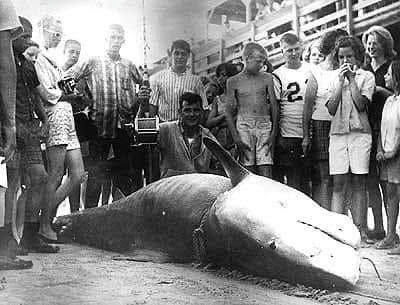
The One That Didn’t Get Away
Tim Wilson - October 21, 2026On the afternoon of Saturday, June 13, 1964, vacationers crowded the beach at Cherry Grove, just north of Myrtle Beach. Out at the end of the pier,…
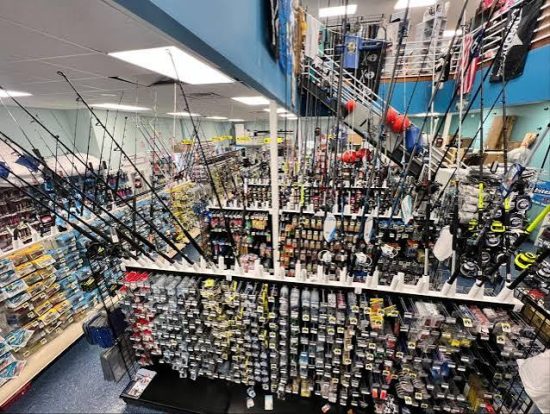
Top 5 Carolina Saltwater Tackle Shops
Tim Wilson - October 21, 2026Every great fishing trip starts long before the first cast, usually at the counter of a local tackle shop. The best ones are more than stores. They’re…
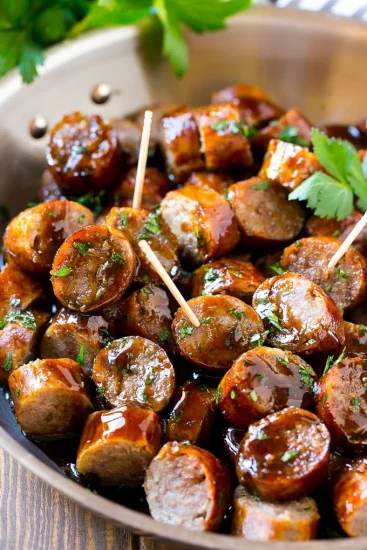
Beer Side Kicks…..Homemade Beer Brat Bites
Tim Wilson - October 16, 2026Most from this category