Saltwater Fly Fishing Gaining Popularity
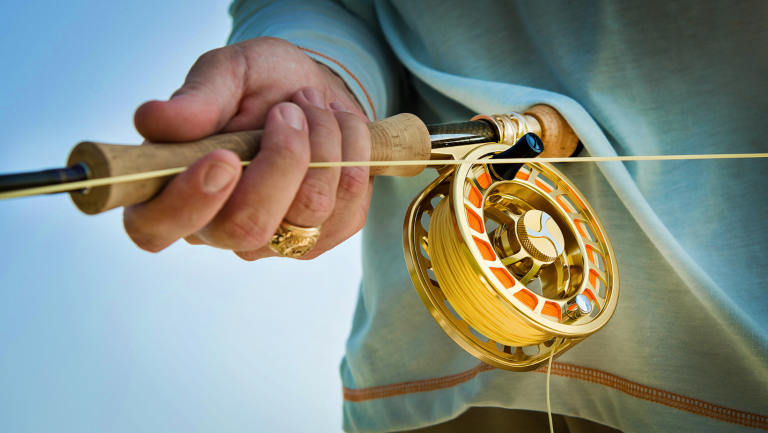
In recent years, the popularity of saltwater fly fishing has grown significantly. Much of this increase comes from the interest younger anglers have shown in the sport. The trend began back in the 1980s and ’90s, when fly-fishing legends like Lefty Kreh and Flip Pallot hit the TV airwaves, and it’s been climbing ever since.
Still, the majority of inshore anglers remain loyal to spinning reels and the tackle that goes with them. It’s the style of fishing most grew up with, and for many, change comes slowly. Today, however, more fly rods, and their owners, are showing up on the saltwater flats and estuaries of the Carolinas. This growing trend brings a fresh approach to coastal fishing.
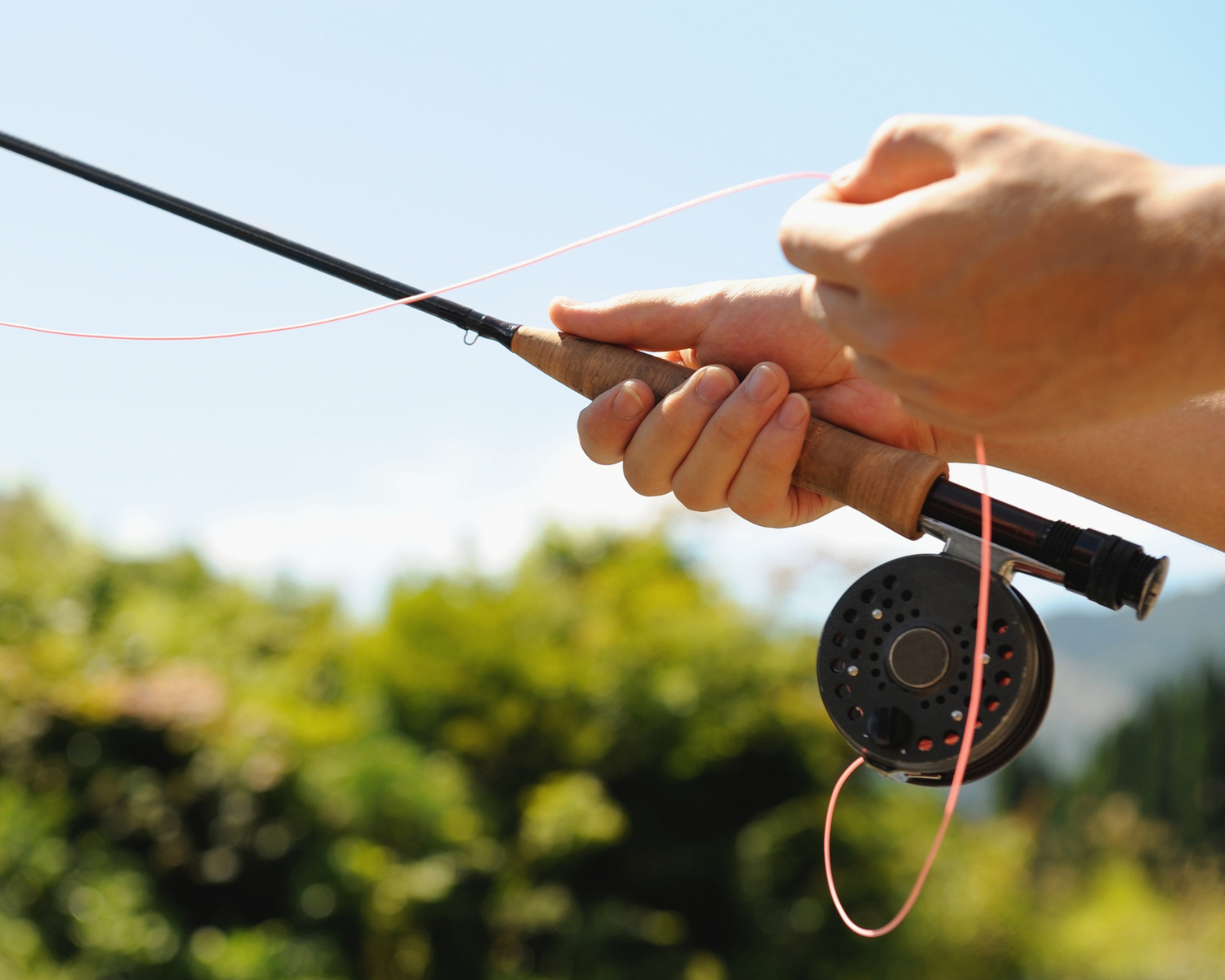
Fly fishing offers a number of advantages that spinning tackle doesn’t. The biggest is the stealthy presentation. A fly lands softly on the water, avoiding the splash and commotion of heavier lures or weights that can spook fish. Smaller flies, often fished near the surface, allow anglers to cover an area without disturbing feeding fish. Because they ride higher in the water, flies are also easier for fish to spot in good light.
Beyond catching fish, many see fly fishing as an art form. The emphasis is less
on numbers and more on skill, technique, and creativity. For many anglers, tying
their own flies is nearly as rewarding as fishing them. This careful, hands-on
process becomes part of the experience, blending craft with time on the water.
If you’re considering fly fishing, be prepared for a learning curve. Pulling out a fly rod, casting a homemade fly, and landing it on target does not guarantee success. It takes time, practice, and patience, often months or years to become proficient. But most fly anglers will tell you the effort is worth it.
Success in fly fishing often means adjusting your perspective. It’s not just about how many fish end up in the cooler. Instead, it’s about learning the cast, perfecting your retrieve, tying the right fly, and seeking out the environment best suited for the sport.
A key difference in approach is found in casting itself:
With a spinning reel, the lure carries the line.
With a fly reel, the line carries the lure.
Another common misconception is the cost. While some anglers invest heavily
in premium gear, beginners don’t have to. Entry-level setups can be found for
around $200, an affordable way to start without breaking the bank.
The Reward
Whether in freshwater or saltwater, fly fishing is both challenging and exciting.
It’s a skill you can continue to refine over time, and every step brings
satisfaction. Best of all, the reward isn’t just in the fish you catch, but in the
accomplishment of mastering a timeless sport.
Story By: Captain Lee Parsons

You may be interested
Taste Of Grilling…..Fall Weather Boston Butt
Tim Wilson - October 5, 2026Cooler days of Fall are on the way and that makes for better grilling days ahead. Make your main course memorable and easy by grilling Boston Butt…
Saltwater Fly Fishing…….Changing Saltwater Fishing
Tim Wilson - October 2, 2026I recently sat down with our new contributing writer, Luke Panzarella, from the Charleston, SC, region. First, let me say that the conversation was both interesting and…
Fall Fishing For False Albacore…..It’s Almost Time
Tim Wilson - October 2, 2026Fishing for False Albacore is a group of relatively simple steps, but those steps are non-negotiable. The first 3 things you need to have is light rods,…
Most from this category