Cooling Water, Hotter Fishing: What a Five Degree Temperature Drop Can Do

A five-degree decline in water temperature doesn’t sound dramatic to most fishermen. Along the Carolina coast, however, a relatively small change can influence bait movement, feeding activity and where several popular inshore species spend their time. September is when fishermen should begin paying much closer attention to the temperature number displayed on their electronics.

Summer heat can push shallow Carolina water to uncomfortable levels for both bait and predators, particularly during the middle of the day. Around Topsail, Wrightsville Beach and the Cape Fear region, shallow creeks and flats can become extremely warm after several days of intense sunshine. Fish may remain nearby but spend more time around deeper edges, stronger current or areas where water conditions are more comfortable.
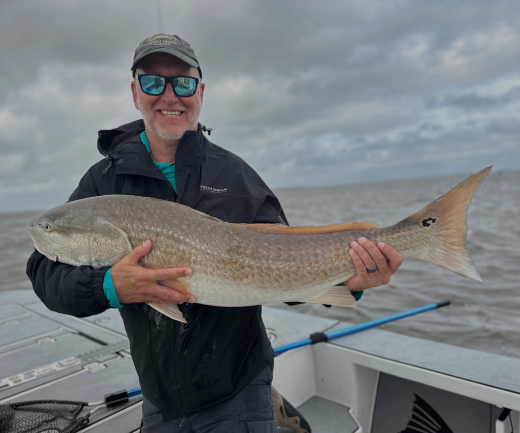
Longer September nights begin changing that. Water gradually loses some of its summer heat, and shallow areas that were less attractive during August can become productive again. Redfish may spend more time feeding along marsh edges and oyster flats. Speckled trout can become increasingly active around creek mouths, points and deeper banks. The change may happen before the weather feels anything like fall to the fisherman standing in the boat.
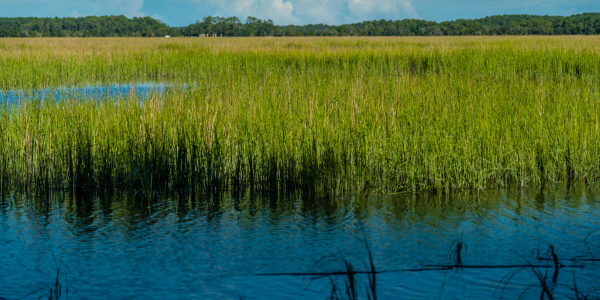
The Cape Fear River is particularly interesting because fishermen can move quickly between several different environments. Shallow creeks, protected bays and the deeper main river can have different temperatures. Incoming tidal water can create another change. A fisherman who notices that bait consistently gathers in water several degrees cooler than surrounding areas has learned something far more useful than simply knowing the day’s average temperature.
The same principle applies in South Carolina. Winyah Bay receives water from several major rivers and contains shallow marsh, deep channels and strong tidal movement. Temperature can vary throughout that enormous system. Charleston’s rivers and harbor provide another complicated mixture of water sources, depths and current.
Fishermen should pay attention to trends rather than searching for one magical temperature. If a productive creek measured several degrees warmer two weeks ago and has now cooled, that decline may help explain why fish have become more active. Comparing several areas during the same trip can be equally useful.

Bait is a major part of the equation. Finger mullet, shrimp and other forage respond to seasonal changes, and predators follow them. Sometimes what appears to be a direct response to cooler water is actually a response to food that relocated because conditions changed.
September is a transition month, and transitions reward fishermen who notice small details. Waiting until everyone starts talking ab
out the fall bite means waiting until the most obvious changes have already occurred. Watch nighttime temperatures, watch the bait and start paying attention to the water temperature display. A modest drop may signal that the entire inshore system is beginning to change.

You may be interested
Fishing Tackle That’s Home To Carolinas
Tim Wilson - November 8, 2026Open a saltwater and freshwater tackle box in the Carolinas and there is a good chance some of its contents have local connections. North Carolina and South…
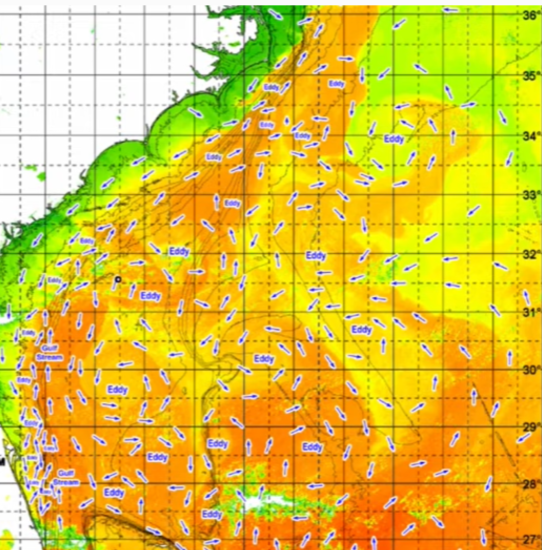
Offshore Ocean Conditions
Tim Wilson - November 6, 2026Don’t take a chance when it comes to knowing what the fishing condtions are and where thoe great sports are. ROFFS will remove the guesswork and put…
Gone But Not Forgotten….. The Carolinas’ Classic Boatbuilders
Tim Wilson - November 6, 2026Walk any marina from Manteo to Charleston and you'll still see them: older hulls with names on the transom that no factory builds anymore. The Carolinas have…
Most from this category