Follow the Bait….Follow the Bait: Why Finger Mullet Can Tell You Where the Fish Are
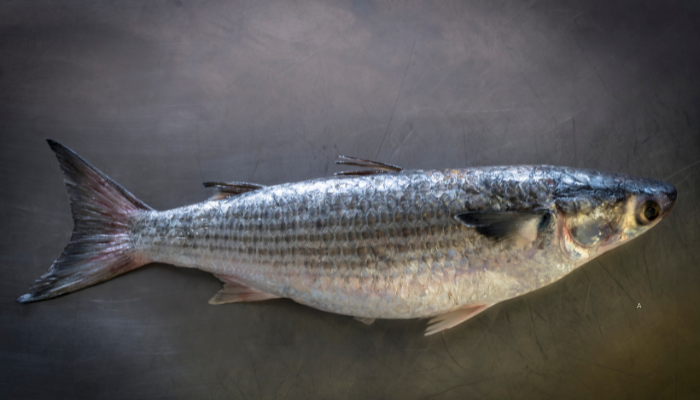
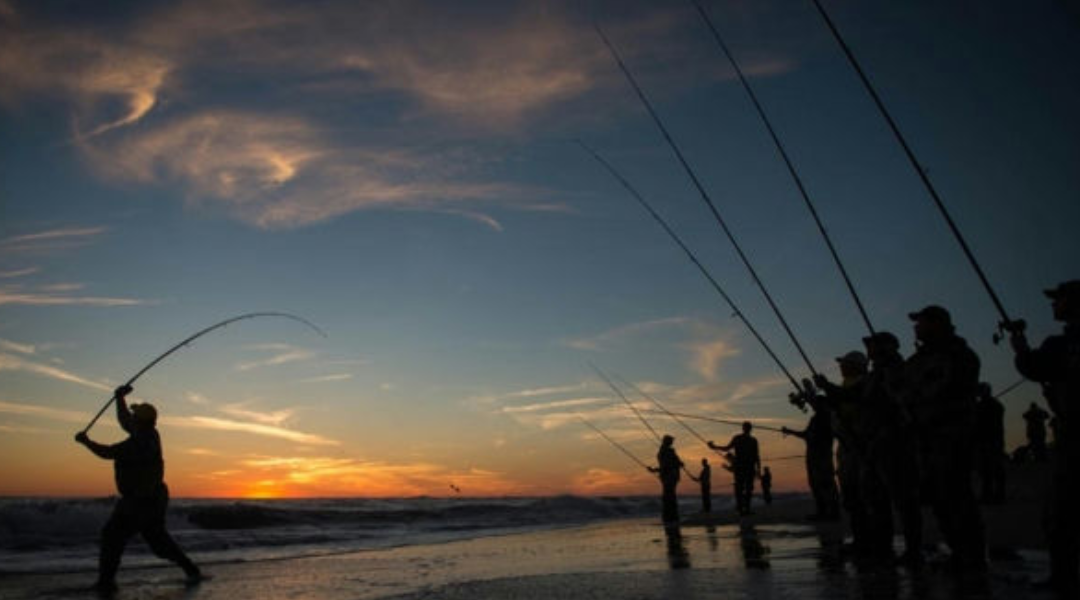
Saltwater fishermen can spend an enormous amount of time studying tide charts, water temperatures, moon phases and lure selections. All of those factors can matter, but during September there is another piece of information that can simplify the entire search for fish along the Carolina coast. Find the bait, particularly finger mullet, and predators are often somewhere nearby.
Finger mullet spend much of summer throughout Carolina creeks, marshes and estuaries. As fall approaches, increasing numbers begin moving toward larger waterways, inlets and eventually the ocean. That movement creates a food source for redfish, speckled trout, flounder, bluefish, Spanish mackerel, king mackerel and large red drum.
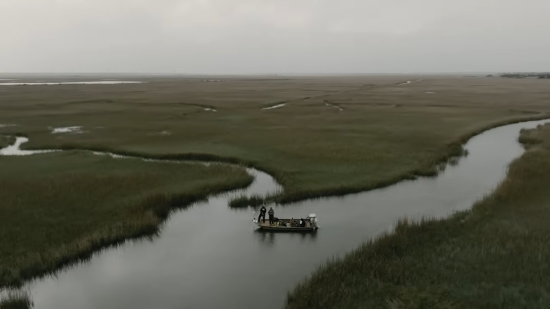
The Cape Fear region demonstrates the pattern particularly well. Small creeks behind Wrightsville Beach, Masonboro Island and Carolina Beach eventually drain into larger channels. On a falling tide, finger mullet leaving the grass and shallow creeks are forced through increasingly confined areas. Predatory fish can position themselves near those natural funnels rather than chasing bait across the entire marsh.
Fishermen can use exactly the same advantage. A creek mouth with visible mullet activity deserves attention. Oyster points where current changes direction can be even better because bait may become temporarily disoriented. Channel edges beside shallow flats give predators access to both deeper water and passing forage.
Farther south, Winyah Bay provides the same principle on an enormous scale. Rivers, marshes and tidal creeks eventually funnel water and bait toward the bay and ocean. Cape Romain and Charleston’s extensive marsh systems create thousands of smaller versions of those same feeding situations.
Watching the water is often as valuable as watching electronics. Finger mullet traveling close to the surface create distinctive wakes. A school suddenly scattering or jumping usually indicates that something disturbed it. Birds repeatedly hovering over one section of water may be watching bait activity that is difficult to see from the boat.
Fishermen should also notice where bait isn’t present. Two creeks can look nearly identical, yet one may contain tremendous numbers of mullet while another appears almost lifeless. Temperature, salinity, current or nearby structure may explain the difference, but fishermen don’t necessarily need to know why. They simply need to recognize that predators have more reason to remain near the creek containing food.
Artificial presentations should reflect what fish are seeing naturally. Paddle tails and other mullet shaped lures are obvious choices, but location is more important than owning the perfect lure. A mediocre lure placed in front of actively feeding fish usually has a better chance than an expensive lure thrown into empty water.
September begins a period when Carolina fishermen can let nature eliminate a tremendous amount of unproductive water. Instead of beginning with the question of where the fish should be, start with something simpler: find where their food has gone.
You may be interested
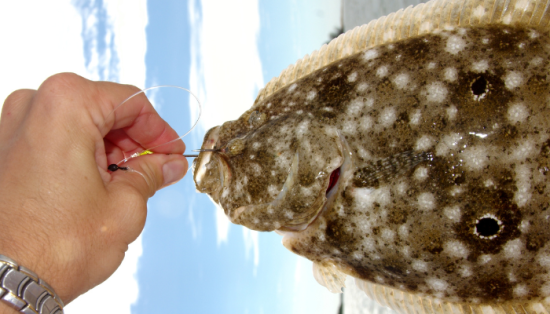
SC Flounder Fishing….. Fall Brings Year’s Best Opportunities
Tim Wilson - September 24, 2026North Carolina's brief 2026 recreational flounder harvest season ends September 14, but fishermen immediately to the south face a very different situation. South Carolina allows recreational flounder…
Cooling Water, Hotter Fishing: What a Five Degree Temperature Drop Can Do
Tim Wilson - September 24, 2026A five-degree decline in water temperature doesn't sound dramatic to most fishermen. Along the Carolina coast, however, a relatively small change can influence bait movement, feeding activity…
Time For The Season…Hunting Season That Is
Tim Wilson - September 24, 2026Ready for the Season: Preparing for Hunting in Eastern North Carolina Hunting season in Eastern North Carolina brings opportunities ranging from whitetail deer in the woods and…
Most from this category
From Spanish to Kings….How Long Will the Nearshore Mackerel Bite Last?
Tim Wilson - September 18, 2026