The Carolina Fall Fishing Calendar…What To Expect
Fall doesn’t arrive along the Carolina coast in a single weekend. It develops gradually, moving through different stages from September into November. For fishermen, that creates nearly three months of changing opportunities from the Outer Banks through the Cape Fear region and south toward Georgetown, Cape Romain and Charleston.
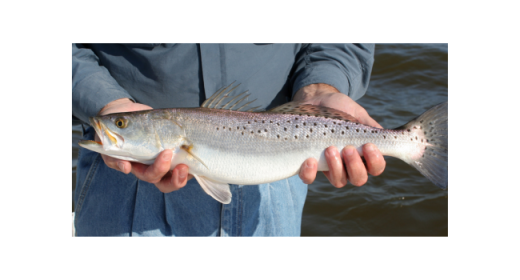
September begins with warm water and tremendous amounts of bait. Finger mullet start moving from smaller creeks toward larger waterways and inlets, while shrimp remain abundant throughout many estuaries. Redfish respond by feeding around marsh edges, creek mouths and oyster structure. Speckled trout begin showing early signs of their fall pattern, although the most consistent trout fishing often develops later.
September also keeps the nearshore option alive. Spanish mackerel can remain available around inlets, tidelines and bait concentrations, while king mackerel may continue feeding around beaches and nearshore structure. Farther north, Pamlico Sound’s giant red drum become a major attraction. Mature reds are also important around Morehead City, the Cape Fear region and South Carolina waters including Winyah Bay and Charleston.
October is when the transition becomes increasingly obvious. Cooler nights have a greater effect on water temperature, and trout fishing improves around creek mouths, points, bridges and deeper shorelines. Redfish continue feeding heavily, particularly where migrating mullet become concentrated by tide and current.
South Carolina flounder fishermen can continue working creek mouths, docks and structure as bait moves through the estuaries. North Carolina is different. The state’s 2026 recreational flounder harvest season runs September 1 through September 14, closing at 11:59 p.m. that night. After that closure, recreational fishermen who catch flounder while targeting other species cannot possess them and must release them.
October can also extend the nearshore season. Around Wrightsville Beach, Carolina Beach and the Cape Fear River entrance, warm conditions can keep kings and other migratory species available. The same applies around the Grand Strand and Charleston, where seasonal cooling can develop somewhat later than it does farther north.
November shifts the emphasis again. Speckled trout become one of the primary inshore targets as cooler water concentrates fish in more predictable locations. Creeks with deeper holes, points and access to larger waterways become increasingly important. Redfish can begin forming tighter schools, particularly in shallow areas where improving water clarity makes them easier to locate.
Geography matters throughout the entire period. What happens around the Outer Banks in early October may not occur around Charleston until later. A strong cold front can accelerate the transition in one region while another area remains relatively warm.
Successful fall fishermen therefore need flexibility more than a rigid calendar. September is heavily influenced by moving bait. October brings a stronger combination of bait movement and cooling water. November increasingly rewards fishermen who identify places where fish are concentrating. Fall fishing in the Carolinas isn’t really one season. It is a progression, and fishermen who move with that progression can experience some of the best saltwater fishing of the entire year.

You may be interested
Early Deer Season…. Why September Whitetails Require a Different Strategy
Tim Wilson - September 24, 2026September deer hunting bears little resemblance to hunting the rut in November. Carolina whitetails haven't suddenly abandoned their normal routines to search for does, and hunters who…
Follow the Bait….Follow the Bait: Why Finger Mullet Can Tell You Where the Fish Are
Tim Wilson - September 24, 2026Saltwater fishermen can spend an enormous amount of time studying tide charts, water temperatures, moon phases and lure selections. All of those factors can matter, but during…
SC Flounder Fishing….. Fall Brings Year’s Best Opportunities
Tim Wilson - September 24, 2026North Carolina's brief 2026 recreational flounder harvest season ends September 14, but fishermen immediately to the south face a very different situation. South Carolina allows recreational flounder…
Most from this category
Cooling Water, Hotter Fishing: What a Five Degree Temperature Drop Can Do
Tim Wilson - September 24, 2026