North Carolina Marine Fisheries A System in Trouble: Chapter 5
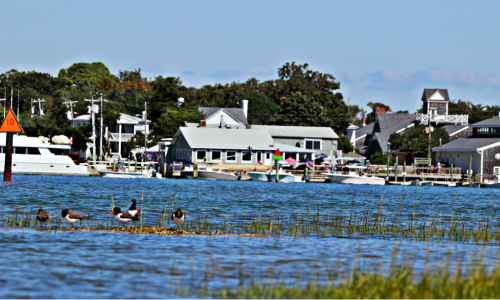
The Disappearing Working Waterfront
A working waterfront is more than a place where boats are tied to a dock. It is a living connection between the people, businesses, and traditions that have developed around the water for generations. Along the North Carolina coast, those waterfronts once represented the heart of many communities. They were places where fishermen prepared their boats before sunrise, where families gathered after a successful day on the water, and where knowledge about the coast was passed from one generation to the next. Today, many people who have spent their lives around those waterfronts believe that connection is slowly disappearing.
The decline of a working waterfront does not happen all at once. It happens gradually as conditions become more difficult for the people who depend on the water. A fisherman retires and his boat is not replaced. A young person chooses another career because the fishing industry appears too uncertain. A small business that once supported fishermen closes because there are fewer customers. Over time, the character of a community begins to change.
The loss is not always obvious to people who visit the coast for recreation. They may still see beautiful beaches, boats passing through the channels, and tourists enjoying the water. However, the communities that built their lives around fishing often see a different reality. They see fewer working boats, fewer young people entering the industry, and generations of knowledge becoming harder to replace.
For many fishermen, this represents one of the greatest concerns about the future of North Carolina’s marine resources. The issue is not only about catching fish. It is about whether the culture and traditions connected to those fisheries will survive. A fishing community is built through decades of experience. It depends on people who understand the water, the weather, and the changing conditions of the coast. When those people leave the industry, their knowledge often leaves with them.
A young fisherman can purchase a boat and equipment, but they cannot purchase fifty years of experience. That experience comes from years spent watching the water, learning from mistakes, and developing an understanding of a place that becomes almost instinctive. It comes from knowing when conditions are right, when fish are moving, and when something about the environment has changed.
Many fishermen believe that fisheries management decisions have not always considered the importance of preserving this human connection to the resource. They argue that a fishery is not only made up of fish populations. It is also made up of the people who understand, monitor, and care for those populations. When those people are pushed out, the entire system loses something valuable.
The economic impact is also significant. Commercial fishing supports a network of businesses that extend far beyond the person operating the boat. Fuel suppliers, marine repair companies, ice suppliers, seafood dealers, restaurants, and equipment manufacturers all depend on a successful fishing industry. When fishermen struggle, those businesses feel the impact, and when those businesses decline, coastal communities lose part of their economic foundation.
Many coastal residents believe that protecting fisheries should include protecting the industries and communities connected to them. They argue that a healthy resource should create opportunity, not eliminate the ability of responsible fishermen to make a living. This does not mean ignoring conservation or returning to unlimited harvest. Most fishermen understand that sustainable management is necessary. They simply believe that conservation must include the people who have the greatest incentive to see the resource survive.
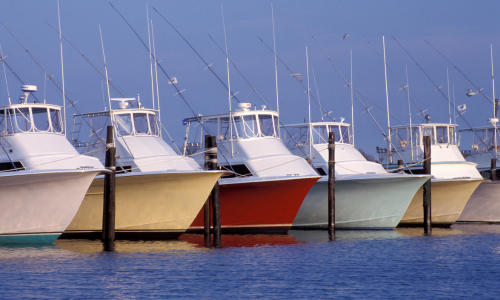
A system that removes fishermen from the water may reduce pressure on a resource, but it also removes some of the most experienced observers of that resource. The challenge facing North Carolina is finding a way to protect both.
The future of the coast depends on whether the state can maintain healthy marine populations while preserving the communities that have depended on them for generations. The goal should not be a coastline where fishing exists only as a memory or a historical story. The goal should be a coast where future generations can still experience the traditions, knowledge, and opportunities that made North Carolina’s fisheries unique.
A working waterfront is not just about the past. It is about whether there will be a future.

You may be interested

Welcoming The Early Deer Season
Tim Wilson - September 17, 2026September deer hunting bears little resemblance to hunting the rut in November. Carolina whitetails haven't suddenly abandoned their normal routines to search for does, and hunters who…
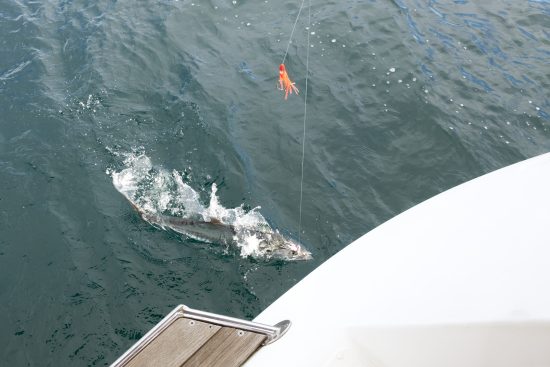
From Spanish to Kings….How Long Will the Nearshore Mackerel Bite Last?
Tim Wilson - September 17, 2026September may signal the beginning of fall, but Carolina ocean waters don't suddenly cool because the calendar changes. For fishermen targeting Spanish and king mackerel, that means…
Where To Find Black Drum This Fall
Tim Wilson - September 17, 2026When Carolina fishermen begin discussing fall inshore fishing, redfish and speckled trout usually dominate the conversation. Black drum rarely receive the same attention, even though they are…
Most from this category