South Carolina Flounder Fishing….It’s Go Time
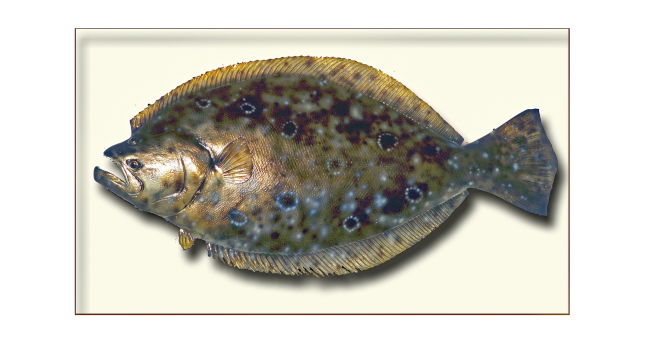
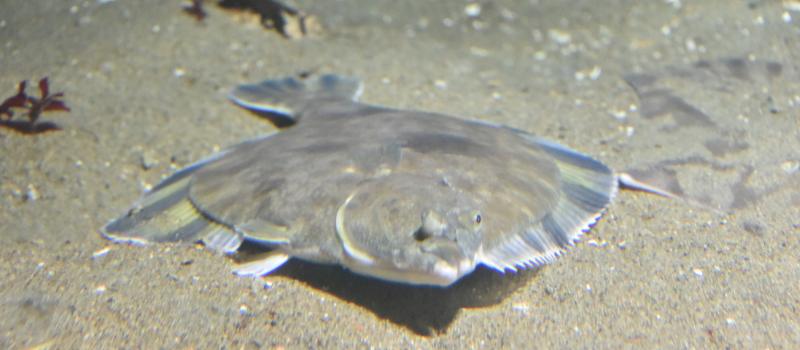
North Carolina’s brief 2026 recreational flounder harvest season ends September 14, but fishermen immediately to the south face a very different situation. South Carolina allows recreational flounder harvest throughout the year under its current size and possession limits. That makes the South Carolina coast an especially interesting place for flounder fishermen as September gives way to the heart of the fall fishing season.
From Little River and the Grand Strand south through Murrells Inlet, North Inlet, Winyah Bay, Cape Romain and Charleston, South Carolina offers tremendous flounder habitat. The state has extensive marsh systems filled with oyster beds, creek mouths, docks and channels. During early fall, those areas also contain large numbers of finger mullet, shrimp and other forage, creating ideal conditions for an ambush predator that spends much of its time lying along the bottom.
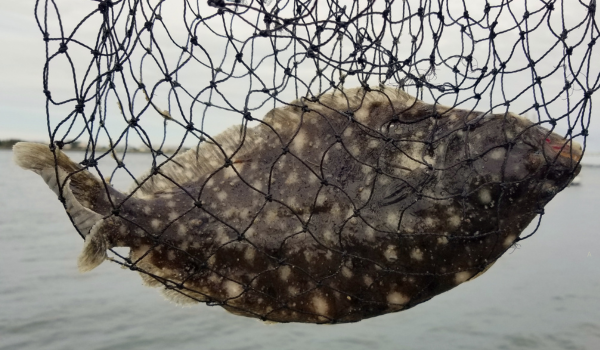
Creek mouths are among the best places to begin looking. On a falling tide, bait leaving flooded grass and small feeder creeks is forced toward deeper water. A flounder positioned along the bottom near the mouth of one of those creeks can allow the current to deliver food directly to it. Small depressions, oyster edges and changes in bottom contour can make an otherwise ordinary creek mouth significantly better.
Winyah Bay provides an excellent example on a much larger scale. Several rivers feed the bay, while an enormous network of tidal creeks drains the surrounding marsh. Fishermen don’t need to cover the entire system. Concentrating on places where current, bait and bottom structure come together can eliminate large amounts of unproductive water. Around Murrells Inlet and Charleston, docks and bridge structures add another type of flounder habitat.
Live finger mullet and mud minnows have long been popular choices, while fresh shrimp can also produce. Artificial lure fishermen can cover more water with paddle tails and shrimp imitations. Whatever presentation is selected, keeping it close to the bottom is critical. Flounder are designed to attack prey moving above them, so a lure worked several feet too high can pass directly over fish without drawing a strike.
Fishermen also need to remember that regulations change at state lines. South Carolina currently requires recreational flounder to measure at least 16 inches total length, with a daily possession limit of five per person and no more than ten per boat. Fishermen should always verify current South Carolina Department of Natural Resources regulations before keeping fish.
Fall can be an excellent period for South Carolina flounder because the seasonal bait movement continues well beyond September. As mullet and shrimp migrate through the estuaries, flounder have good reason to position near the routes those bait species use.
For fishermen from Little River to Charleston, the opportunity isn’t disappearing with the end of North Carolina’s short season. South Carolina’s fall flounder fishing is entering one of the most interesting periods of the year.
You may be interested
September Speckled Trout…… The First Signs of the Fall Bite
Tim Wilson - September 17, 2026Fall speckled trout fishing is one of the traditions that Carolina inshore fishermen look forward to every year. Most people associate the best trout fishing with genuinely…

This Week’s Offshore Conditions Forecast
Tim Wilson - September 11, 2026The latest in offshore conditions. Click for full information. https://youtu.be/yJWJ_XJ7Aug https://youtu.be/b0SJPKj3fN8
A Carolina Coast Fishing Icon Passes….Captain Robbie Wolve
Tim Wilson - September 11, 2026The Carolina fishing community lost one of its own with the passing of longtime charter fisherman Captain Robbie Wolfe, who died peacefully at his Wilmington home on…
Most from this category