Where To Find Black Drum This Fall
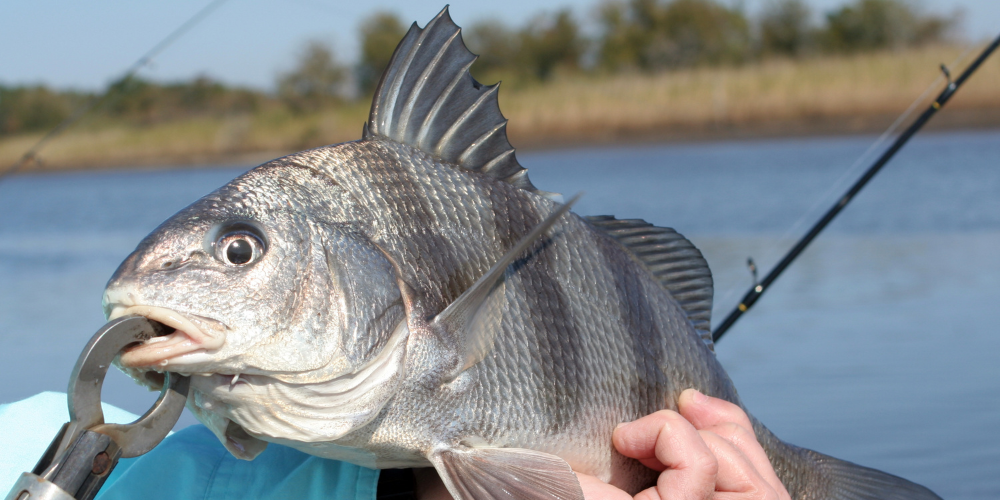
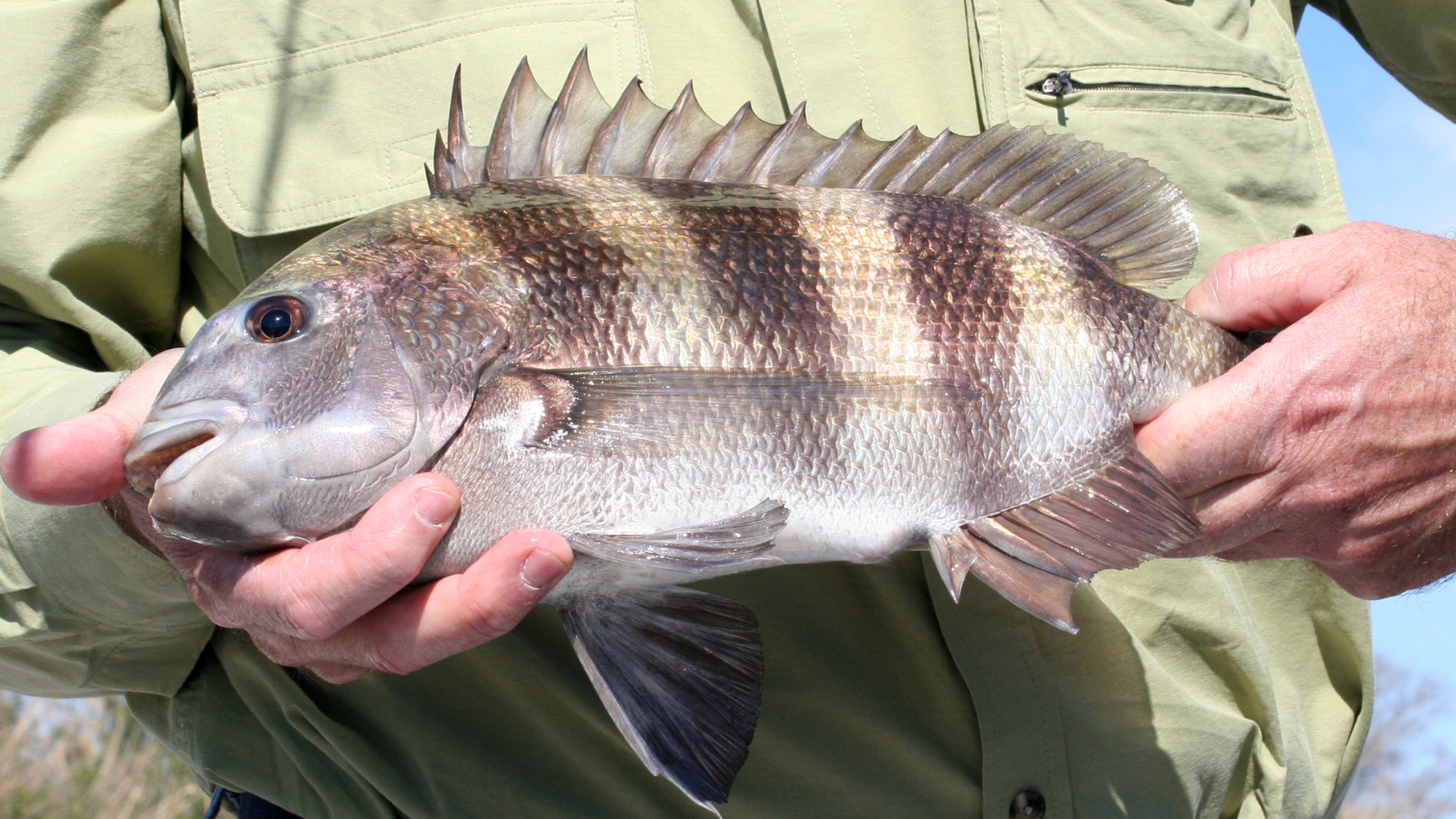
When Carolina fishermen begin discussing fall inshore fishing, redfish and speckled trout usually dominate the conversation. Black drum rarely receive the same attention, even though they are found throughout much of the same water and can provide excellent fishing as September begins the transition into fall.
From Topsail and the New River through Wrightsville Beach and the Cape Fear region, black drum can be found around oyster beds, docks, bridges and deeper creek structure. South Carolina offers similar habitat around Little River, Murrells Inlet, Winyah Bay, Cape Romain and Charleston. In many of these areas, fishermen may already be passing productive black drum water while searching for something else.
Black drum feed heavily on bottom-dwelling prey such as shrimp, crabs, clams and other shellfish, making structure particularly important. Oyster beds are natural places to begin because they provide both food and current breaks. Moving water carries shrimp and other prey around the edges while the oyster structure itself supports an entire food chain.
Docks can be equally productive, particularly older structures with barnacle-covered pilings. Current moving around the pilings creates small eddies and delivers food while deeper water beneath the dock provides security. Bridges offer the same combination on a much larger scale and can hold surprisingly large fish.
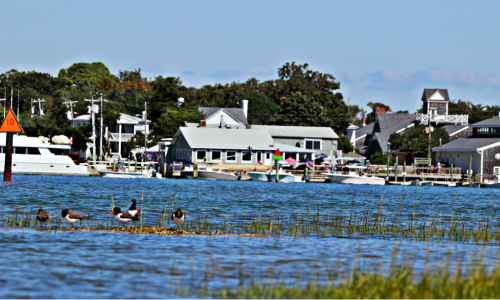
Around the Cape Fear River, fishermen should pay particular attention to docks, bridge structure and deeper creek mouths. The river’s darker water can make visual fishing difficult, so understanding structure and current becomes more important. A location doesn’t need to look dramatic above the surface to contain exactly what a black drum wants underneath it.
Winyah Bay offers another excellent example. Its combination of rivers, marshes, oyster structure and manmade development creates tremendous black drum habitat. Charleston’s rivers and harbor provide many of the same opportunities, particularly where deeper water runs close to docks, rocks or oyster beds.
Natural bait is generally the dependable approach for black drum. Fresh shrimp is one of the most popular choices, while pieces of crab, clams and other natural baits can also produce. Keeping the bait close to the bottom is usually important. A simple bottom rig can work well in deeper water, while fishermen working around oysters need enough leader strength to prevent hooked fish from immediately cutting them off.
Another mistake is assuming all black drum are small. Many inshore fish are manageable on relatively light tackle, but the species can grow to impressive size. Larger drum may be encountered around bridges, channels and other deep structure, requiring substantially more patience and heavier tackle.
Fall is a good time for Carolina fishermen to broaden their approach. If trout aren’t cooperating or redfish aren’t where expected, don’t automatically abandon an area containing oysters, moving water and food. There may be black drum underneath the boat that everyone else has overlooked.

You may be interested
North Carolina Marine Fisheries A System in Trouble: Chapter 5
Tim Wilson - September 18, 2026The Disappearing Working Waterfront A working waterfront is more than a place where boats are tied to a dock. It is a living connection between the people,…
The Best Lures For 2026 Fall Speckled Trout Fishing
Tim Wilson - September 18, 2026Cooler weather is here and that can only mean that Speckled Trout fishing is starting to boom. Take a look at 3 of the Carolina's most well…
From Spanish to Kings….How Long Will the Nearshore Mackerel Bite Last?
Tim Wilson - September 18, 2026September may signal the beginning of fall, but Carolina ocean waters don't suddenly cool because the calendar changes. For fishermen targeting Spanish and king mackerel, that means…
Most from this category