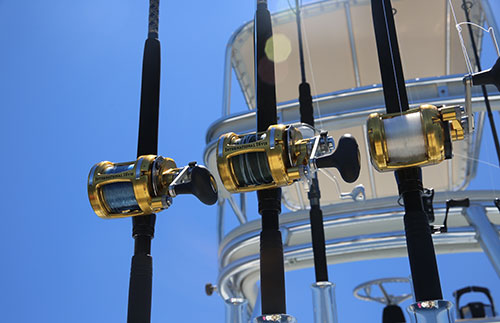
Where Bass Go In Hot Weather
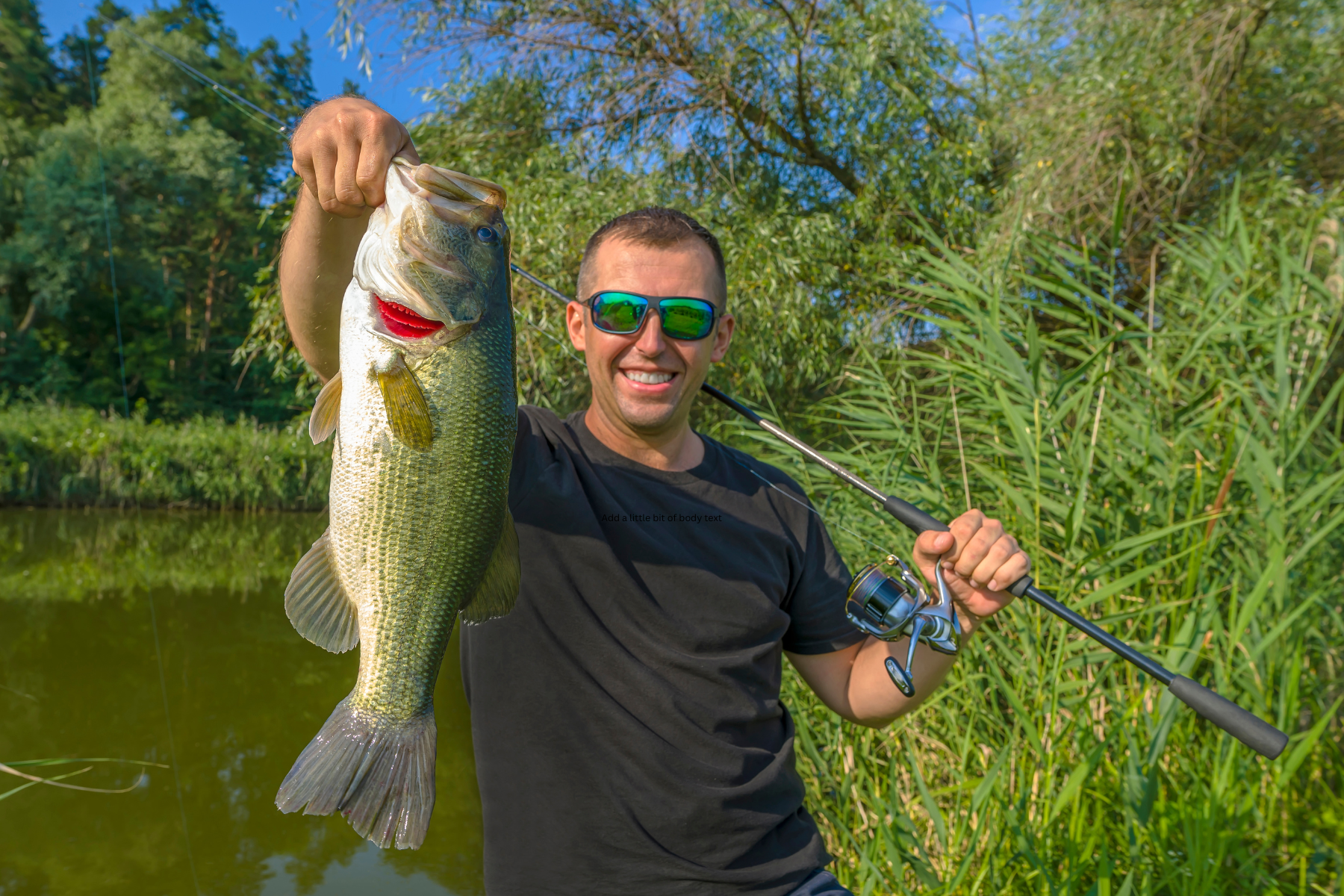
The summer heat in the Carolinas hits the water early, and by the time the boat slides off the ramp on a lake like Lake Norman or Lake Wylie, you already know the fish have made their first move of the day. The mistake most anglers make is thinking bass behave the same way they do in spring, but in hot weather everything changes, the fish don’t chase, they position, and if you don’t adjust with them, you’re just burning fuel and time.
The morning starts in shallow water, and that’s where you have to be aggressive, not delicate. Shorelines with grass, rock transitions, and dock shade in that 2 to 8 foot range are where bass slide up before the sun gets high, and this is the only time of day when fast-moving baits actually make sense. A frog walked over pads, a buzzbait waking across a flat, or a popper popping along dock edges can all trigger reaction strikes, but you have to cover water quickly because this window is short and it closes without warning once the sun gets higher.
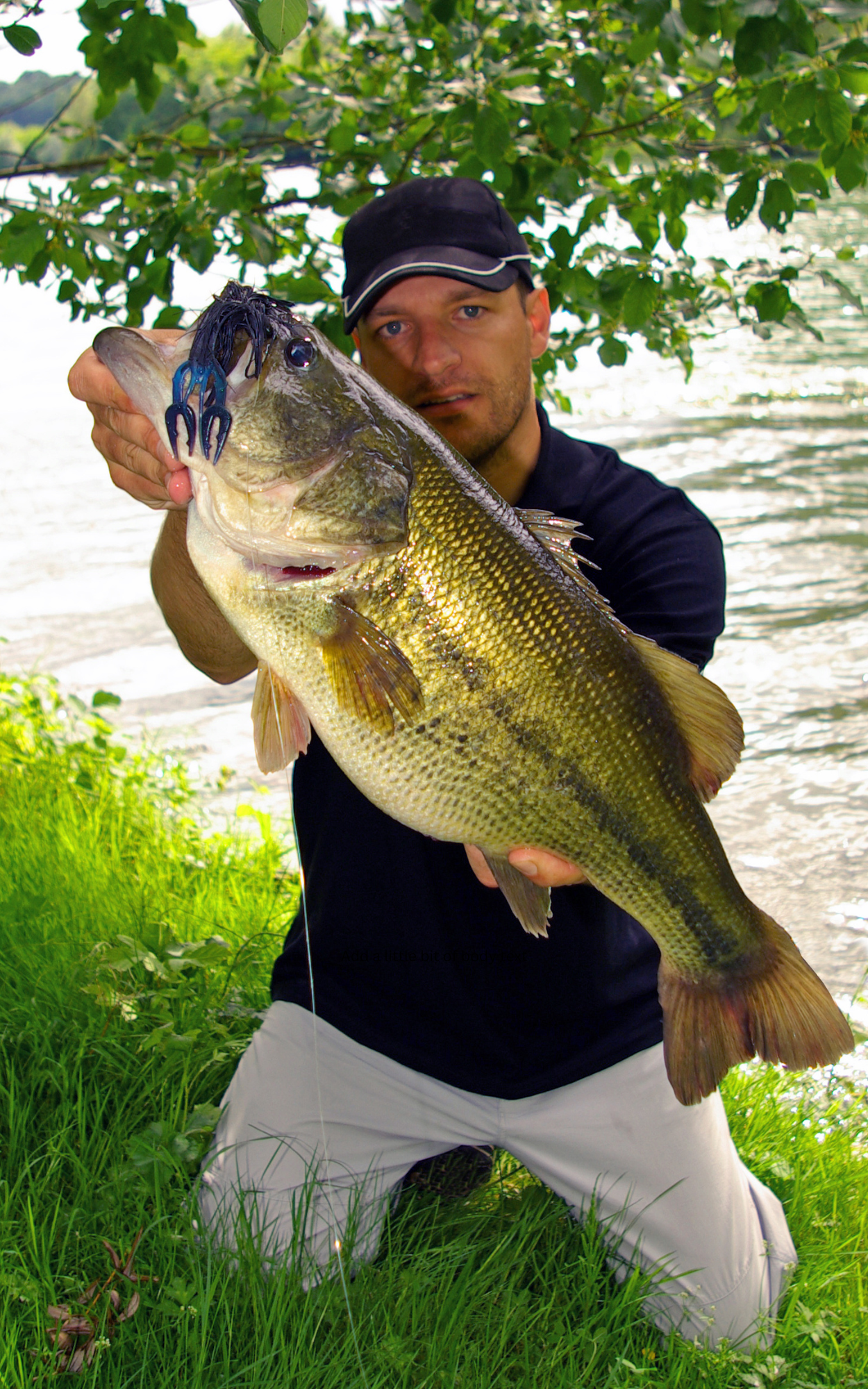 As the morning burns off, the fish pull away from the bank, and this is where most anglers fail because they keep throwing shallow long after the bite has moved. The correct adjustment is to follow the structure, not the shoreline, and start working points, ledges, humps, and any offshore cover that holds bait. Electronics help you find it, but the real key is understanding that summer bass in Carolina lakes suspend around oxygen and forage, not just depth, so you’re looking for life, not just bottom contours.
Once you find that offshore zone, everything slows down, and that’s not optional. A Carolina rig dragged across a shell bed, a football jig crawled along hard bottom, or a drop shot held just above brush becomes the language the fish respond to in heat, because they’re not willing to chase anything far, they’re conserving energy and reacting only to easy meals that pass close enough to them.
By mid to late afternoon, the strongest pattern shifts again, this time toward shade and moving water, because oxygen becomes the real driver. Docks, bridge pilings, creek mouths, and any wind-blown bank suddenly matter more than depth or structure alone, and a Texas-rigged worm skipped deep into the darkest shade under a dock can outfish everything else on the lake simply because that’s where the coolest, most stable water is.
As evening approaches, the whole system resets in reverse, the shallow bite starts to rebuild, baitfish push back toward the banks, and bass follow them in, not with the morning aggression but with steady, opportunistic feeding that rewards patience more than speed.
The entire game in hot Carolina water is movement and timing, shallow to deep, deep to shade, shade back to shallow, and if you stay locked into one depth or one technique all day, you’re fishing yesterday’s pattern instead of today’s fish.

You may be interested

This Week’s Offshore Conditions Forecast
Tim Wilson - September 11, 2026The latest in offshore conditions. Click for full information. https://youtu.be/yJWJ_XJ7Aug https://youtu.be/b0SJPKj3fN8
A Carolina Coast Fishing Icon Passes….Captain Robbie Wolve
Tim Wilson - September 11, 2026The Carolina fishing community lost one of its own with the passing of longtime charter fisherman Captain Robbie Wolfe, who died peacefully at his Wilmington home on…

Catching GIANT Flounder Around Docks in NORTH CAROLINA
Tim Wilson - September 11, 2026Flounder are masters of disappearing, but Capt. Jot Owens knows exactly where to look. C.A. Richardson heads to Wrightsville Beach, North Carolina, to join renowned inshore guide…
Most from this category