Freshwater Fishing Up The Cape Fear River
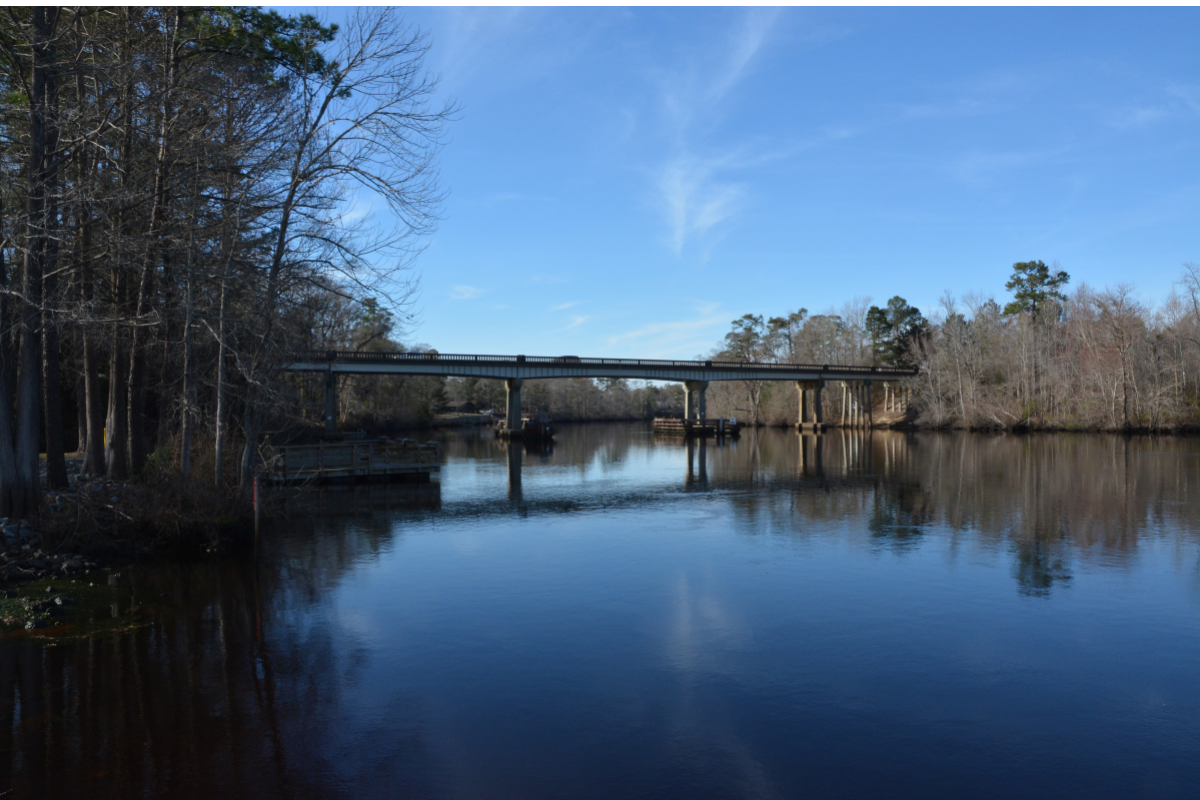
Freshwater angling upstream of the Cape Fear River offers an expansive ecosystem that transitions sharply from a brackish estuary to pure freshwater. This environment features distinct target species, seasonal migrations, and specialized navigation challenges.
Target Species and Habitats
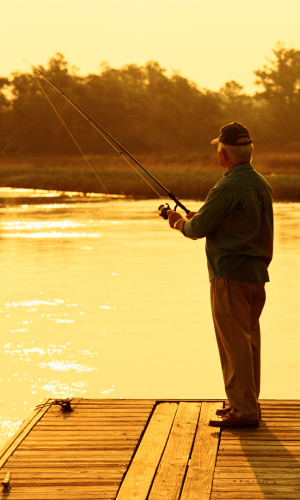 Upstream of the Interstate 40 bridge near Wilmington, salinity drops completely, creating an ideal habitat for warmwater game fish:
- Largemouth Bass: These fish swim in abundance through the river’s upper reaches, typically averaging between 1.5 to 3 pounds, though larger specimens are common. Anglers find them near tributaries, submerged cypress knees, docks, and reed beds.
- Catfish and Bream: Massive flathead and channel catfish inhabit deep river bends and holes. Bluegill and other bream populate the shaded structure along the banks.
- American and Hickory Shad: During the spring spawning run (typically late March into April), these aggressive sport fish migrate as far upstream as the fall line, aggregating heavily in the eddies below Lock and Dam Number 1.
- Striped Bass: Stripers travel into the upper river stretches. While aggressive fighters, strict regulations apply here: striped bass harvest is closed by rule in the Cape Fear River and its tributaries, making this a strictly catch-and-release
Key Locations and Launch Access
The upper basin features highly specific structures that attract massive schools of baitfish and predators:
- Lock and Dam System: The pools and tailwaters around Lock and Dam 1 (near Riegelwood), Lock and Dam 2 (near Elizabethtown), and Lock and Dam 3 are prime gathering spots for migrating shad and stripers.
- Deep River and Tributaries: The convergence zones where smaller creeks flow into the main river channel create current seams that bass use for ambush hunting.
- Northeast Cape Fear River: A major tributary offering highly scenic, lower-pressure fishing dominated by cypress swamps and shallow flats.
Navigation and Environmental Challenges
The upper Cape Fear River is a beautiful but inherently dangerous waterway that demands careful preparation:
- Submerged Hazards: Unmarked logs, sandbars, and fallen timber are constant hazards. Low-draft vessels, kayaks, or canoes are highly recommended for the shallowest reaches.
- Tidal Influence: Even far upstream, dramatic tidal swings can drastically affect depth. A drop in tide can quickly ground a boat or expose dangerous riverbed obstructions.
- Current Variations: An outgoing tide combined with opposing winds can create aggressive, turbulent water conditions.
Licensing, Regulations, and Safety
Anglers must comply with specific state laws to preserve the local river habitat:
- Licensing: Fishing the inland freshwater portions requires an Inland Fishing License from the North Carolina Wildlife Resources Commission, unlike the Coastal Recreational Fishing License (CRFL) required downstream.
- Consumption Advisories: Due to elevated levels of mercury and other contaminants, the Cape Fear River Watch maintains strict consumption advisories for wild-caught catfish, largemouth bass, and striped bass. Catch-and-release is widely practiced and encouraged.
Would you like more details on specific artificial lure choices for upper river bass, or boating access ramp locations along the dams?
You may be interested

This Week’s Offshore Conditions Forecast
Tim Wilson - September 11, 2026The latest in offshore conditions. Click for full information. https://youtu.be/yJWJ_XJ7Aug https://youtu.be/b0SJPKj3fN8
A Carolina Coast Fishing Icon Passes….Captain Robbie Wolve
Tim Wilson - September 11, 2026The Carolina fishing community lost one of its own with the passing of longtime charter fisherman Captain Robbie Wolfe, who died peacefully at his Wilmington home on…

Catching GIANT Flounder Around Docks in NORTH CAROLINA
Tim Wilson - September 11, 2026Flounder are masters of disappearing, but Capt. Jot Owens knows exactly where to look. C.A. Richardson heads to Wrightsville Beach, North Carolina, to join renowned inshore guide…
Most from this category