Successful Offshore Trolling Means On Focus
Successful trolling, whether you’re fishing offshore or along the nearshore waters, depends on paying attention to several important details. One of the biggest is boat speed. In most situations, a trolling speed between 5 and 7 knots is considered ideal, but the type of bait or lure you’re pulling should always determine your final speed.
The goal is to run your engine at an RPM that gives every bait its most natural action. If you’re unsure whether you’re trolling too fast or too slow, watch experienced boats in the area. Without crowding them, compare your speed with theirs and make small adjustments if necessary. As current conditions change, keep your engine RPM consistent whether you’re trolling with the current or against it. This helps maintain the same lure action and keeps your presentation consistent.
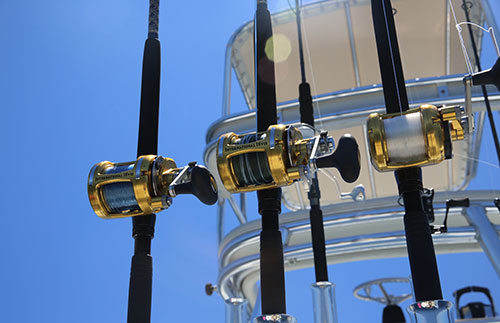
Presentation often determines whether you have a memorable day on the water or spend hours without a strike. Every bait should appear lively and natural, not like a lifeless piece of bait simply being pulled through the water. Arrange your lure spread according to how each bait performs best. It may take several adjustments before everything tracks correctly, so don’t hesitate to experiment. Keep an eye on your spread at all times. If a lure begins spinning, skipping, or running off to one side, bring it in, correct the problem, and put it back in the water immediately.
A properly organized spread is just as important as speed. Position the larger baits closer to the transom while placing the smaller offerings farther behind the boat. This creates the illusion of a school of baitfish being pursued by larger fish, a scene that often triggers aggressive strikes from predatory species. Balance the spread by running equal lines from both sides of the boat. Flat lines should remain closest to the boat, while outrigger lines and elevated positions can be staggered farther back to cover more water without tangles.
Trolling remains one of the most productive techniques for targeting offshore and nearshore game fish, but it is also one of the most challenging skills to master. The anglers who consistently catch fish are usually those with years of experience and a willingness to keep learning. Success comes through time on the water, experimenting with different lure combinations, colors, trolling speeds, and spread configurations. Don’t hesitate to exchange ideas with other fishermen, test new techniques, and adapt to changing conditions. Every boat, every crew, and every target species responds a little differently. The more you experiment, the more confidence you’ll develop in the spread that works best for your style of fishing.

You may be interested

This Week’s Offshore Conditions Forecast
Tim Wilson - September 11, 2026The latest in offshore conditions. Click for full information. https://youtu.be/yJWJ_XJ7Aug https://youtu.be/b0SJPKj3fN8
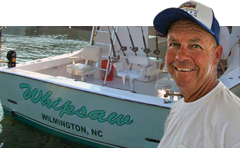
A Carolina Coast Fishing Icon Passes….Captain Robbie Wolve
Tim Wilson - September 11, 2026The Carolina fishing community lost one of its own with the passing of longtime charter fisherman Captain Robbie Wolfe, who died peacefully at his Wilmington home on…

Catching GIANT Flounder Around Docks in NORTH CAROLINA
Tim Wilson - September 11, 2026Flounder are masters of disappearing, but Capt. Jot Owens knows exactly where to look. C.A. Richardson heads to Wrightsville Beach, North Carolina, to join renowned inshore guide…
Most from this category