Mahi Fishing from the Beach: Around the Carolinas
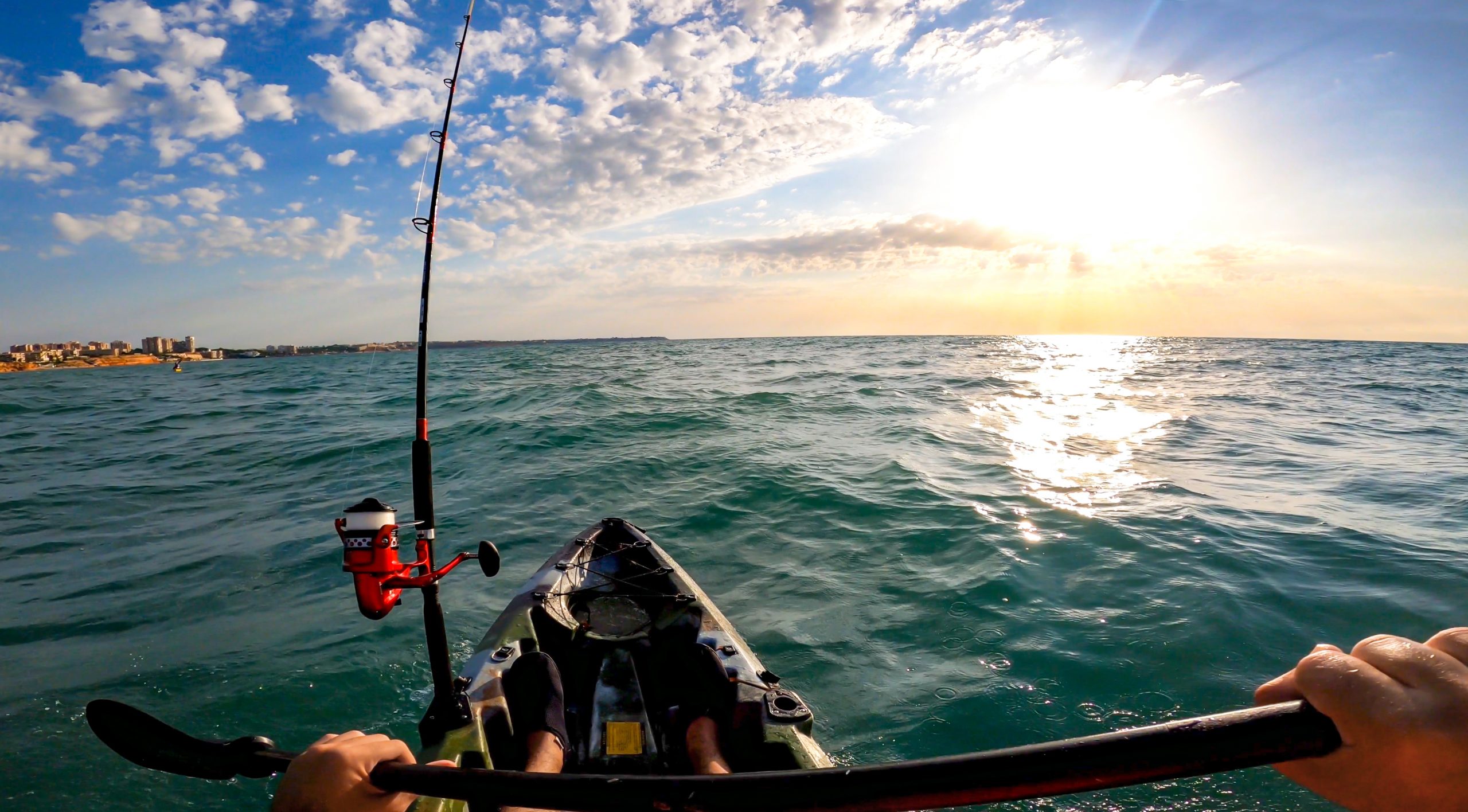
When most people think of mahi-mahi fishing, they picture large sportfishing boats running dozens of miles offshore in search of blue water and floating weed lines. Along the coasts of North and South Carolina, however, determined anglers in kayaks and small boats have discovered that some of the most exciting mahi fishing can begin right at the beach.
Each summer, warm water from the Gulf Stream pushes closer to the Carolina coast, bringing with it baitfish, flying fish, and one of the ocean’s most colorful predators—the mahi-mahi. Known locally by many anglers as dolphin, these fish are famous for their dazzling green, blue, and gold colors, lightning-fast strikes, and spectacular aerial displays.
The adventure often begins long before sunrise. At beach access points from the shores of Wrightsville Beach to the waters surrounding Morehead City and south toward Murrells Inlet, anglers launch kayaks and small boats into the predawn darkness. Their destination is not a specific reef or wreck but rather the constantly changing offshore environment where mahi roam.
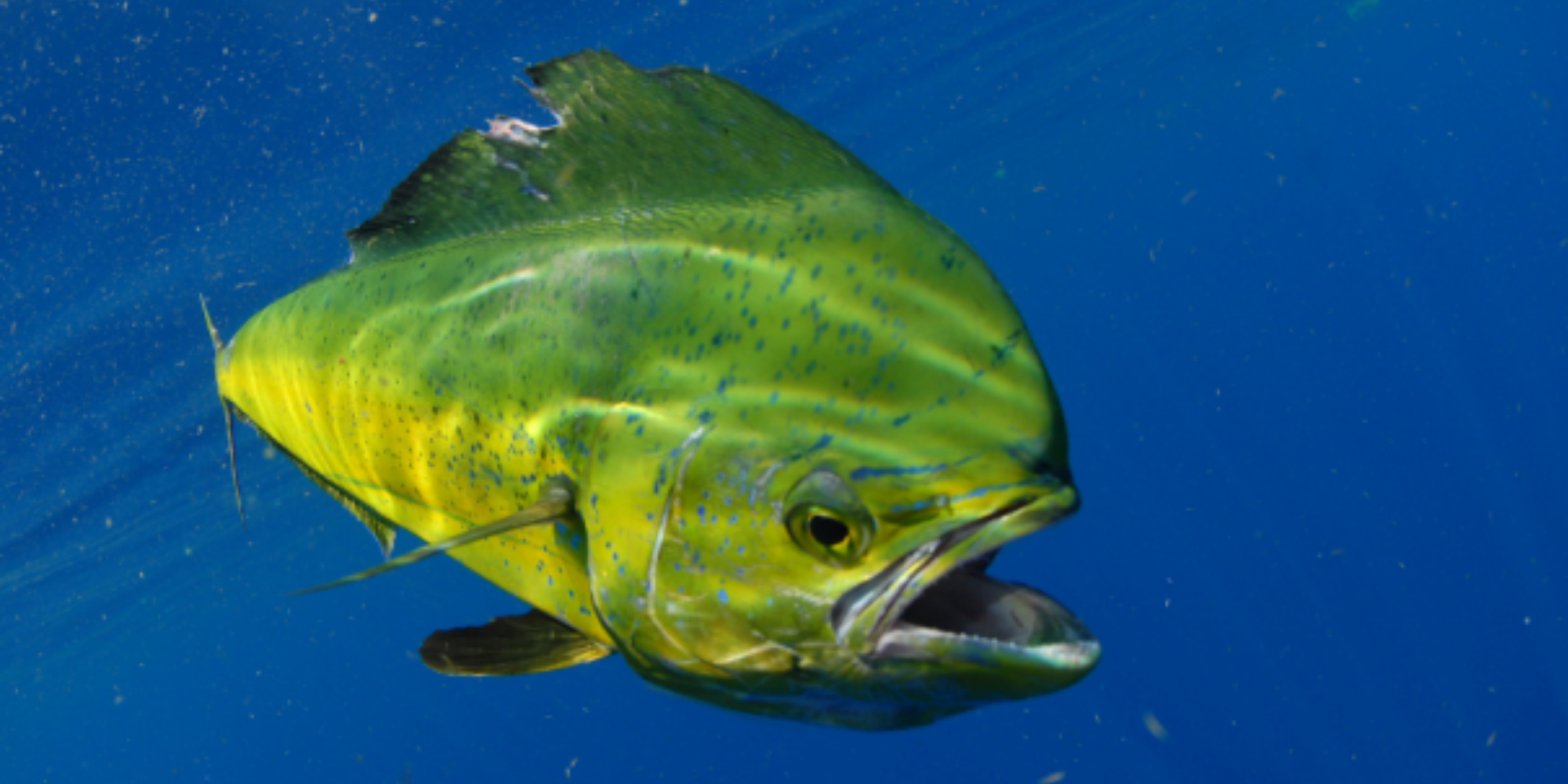
Unlike bottom-dwelling fish, mahi are travelers. They spend their lives searching for food and are naturally attracted to floating objects. A weed line stretching across the ocean surface, a drifting log, or even a small piece of debris can become a gathering point for baitfish. For anglers, these floating oases are often the key to success.
Kayak fishermen experience the pursuit in its purest form. Every mile offshore requires effort, and every fish must be fought from a vessel barely larger than the angler sitting in it. A trolling rod bounces quietly behind the kayak until suddenly the reel erupts with a high-pitched scream. In an instant, the kayak is transformed from a fishing platform into a passenger seat as a powerful mahi races across the water.
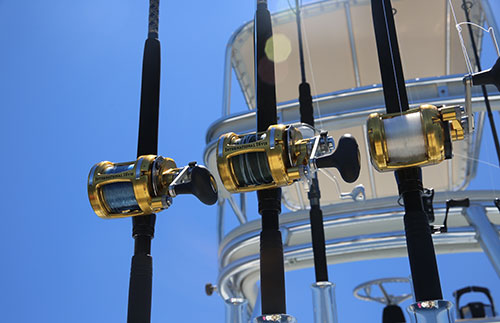
Small-boat anglers enjoy greater range and flexibility. A modest center console can reach offshore temperature breaks, weed lines, and floating structure that may be beyond the practical reach of a kayak. By trolling several lures at once, crews can cover more water and quickly locate schools of active fish. Once a mahi is hooked, the excitement often escalates, as these fish frequently travel in groups. It is not uncommon for multiple fish to appear behind the boat after the first hookup.
What makes mahi fishing around the Carolinas special is its unpredictability. Conditions can change daily. A weed line that produces limits one morning may disappear by the next. Water temperatures, currents, wind, and bait movement all influence where fish will be found.
That uncertainty is also what keeps anglers coming back. Every trip beyond the breakers holds the promise of discovery. Whether paddling a kayak through calm summer seas or running a small boat toward a distant weed line, Carolina anglers know that somewhere ahead, a flash of electric green and gold may be waiting. And when that first mahi explodes on a lure, all the effort required to reach it becomes instantly worthwhile.
You may be interested

This Week’s Offshore Conditions Forecast
Tim Wilson - September 11, 2026The latest in offshore conditions. Click for full information. https://youtu.be/yJWJ_XJ7Aug https://youtu.be/b0SJPKj3fN8
A Carolina Coast Fishing Icon Passes….Captain Robbie Wolve
Tim Wilson - September 11, 2026The Carolina fishing community lost one of its own with the passing of longtime charter fisherman Captain Robbie Wolfe, who died peacefully at his Wilmington home on…

Catching GIANT Flounder Around Docks in NORTH CAROLINA
Tim Wilson - September 11, 2026Flounder are masters of disappearing, but Capt. Jot Owens knows exactly where to look. C.A. Richardson heads to Wrightsville Beach, North Carolina, to join renowned inshore guide…
Most from this category