Flounder Night Fishing…… South Carolina Style
Flounder fishing, South Carolina style, is slow water, warm nights, and reading edges most people never notice, it’s marsh creeks sliding in and out with the tide, oyster beds just barely showing themselves under tea-colored water, and dock lights turning dark basins into little worlds full of baitfish, shrimp, and sudden quiet pressure where a flat fish is sitting like it owns the place and has no interest in announcing itself.
Along the coast near Charleston, the evening starts to shift everything, boat traffic fades, the wind lays down, and the water stops looking busy even though it’s full of life, mullet flick on the surface, shrimp drift through the glow of lights, and flounder start sliding up from the bottom like they’ve been waiting for the noise to go away.
The whole fishery is built on edges, not just physical structure like drop-offs or shell rakes, but light and shadow lines, current seams, and subtle changes in bottom texture that most people would pass right over, a sandy patch next to grass, a little depression beside a dock piling, a drain where tide pulls bait through like a conveyor belt, that’s where the story happens.
Down in places like Beaufort, anglers learn quickly that speed is the enemy, you don’t run and gun for flounder, you drift, you creep, you let the boat slide naturally with the tide while your bait does the work, live finger mullet if you have them, mud minnows if you don’t, or a soft plastic bounced so slowly it almost looks accidental.
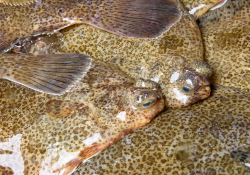 The strike is never what new anglers expect, there’s no violent explosion, no rod-jarring hit most of the time, instead there’s a strange heaviness, like the bottom itself decided to grab your line and hold it for a moment, flounder don’t chase like redfish, they don’t commit like trout, they just take, settle, and decide whether you’re worth keeping.
That’s where most people lose them, right there in the impatience, because the temptation is to set the hook the second anything feels different, but experienced anglers wait, they let the fish turn, they let that slow pressure build, and only then do they lean into it, smooth and steady instead of sharp and rushed.
Farther south around Murrells Inlet, the pattern repeats itself across creeks, channels, and grassy flats, docks that look dead during the day suddenly become alive at night, light pools gather bait like magnets, and flounder sit just outside the brightest edges waiting for something careless to drift by.
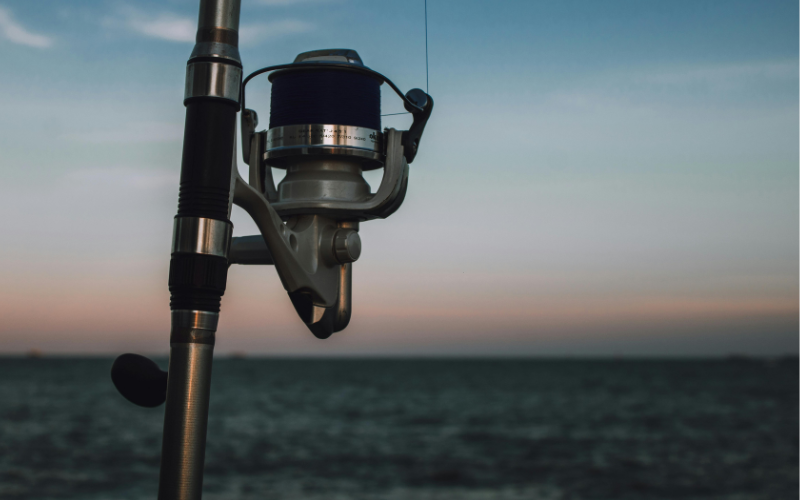
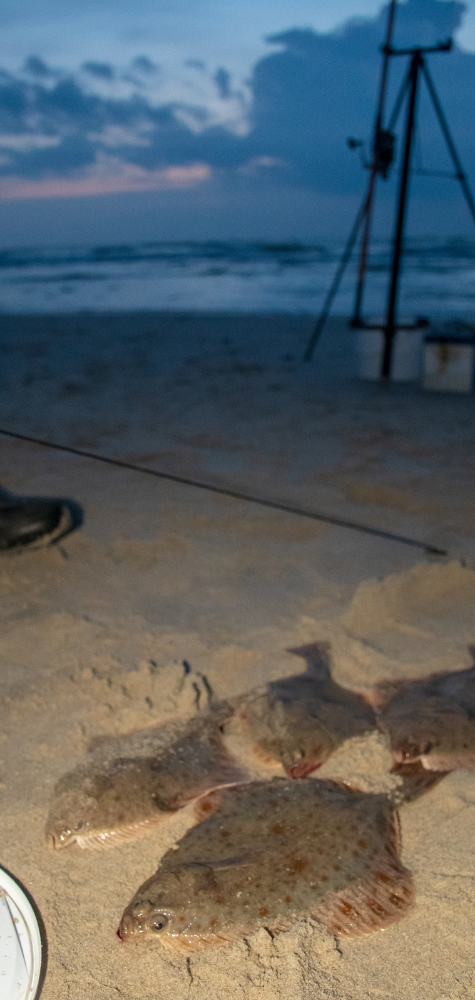 The gear is simple because the fish don’t require anything fancy, medium-light tackle, fluorocarbon leader, a small hook, and enough weight to stay near the bottom without dragging like you’re anchoring the bait in place, because presentation matters more than power, and finesse matters more than distance.
Weather and tide matter just as much as location, outgoing tides tend to pull food out of the marsh and concentrate everything into channels, incoming tides spread fish out into grass and shallow pockets, and the best nights often come when water is moving just enough to carry scent and bait, but not so hard that everything feels washed out.
What makes South Carolina flounder fishing different isn’t just the fish, it’s the pace of it, it forces you to slow down whether you want to or not, it turns fishing into observation, watching light, watching movement, watching nothing until something finally breaks the pattern.
And when it finally comes together, it’s not flashy, it’s just weight, steady pressure, a slow realization that what felt like bottom is actually alive, and then a flat fish sliding up through the water like it was never hiding at all, just choosing when to be seen.
That’s South Carolina style flounder fishing, patient, quiet, a little sneaky, and always better than it looks from the surface.
You may be interested

This Week’s Offshore Conditions Forecast
Tim Wilson - September 11, 2026The latest in offshore conditions. Click for full information. https://youtu.be/yJWJ_XJ7Aug https://youtu.be/b0SJPKj3fN8
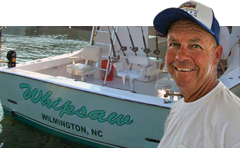
A Carolina Coast Fishing Icon Passes….Captain Robbie Wolve
Tim Wilson - September 11, 2026The Carolina fishing community lost one of its own with the passing of longtime charter fisherman Captain Robbie Wolfe, who died peacefully at his Wilmington home on…

Catching GIANT Flounder Around Docks in NORTH CAROLINA
Tim Wilson - September 11, 2026Flounder are masters of disappearing, but Capt. Jot Owens knows exactly where to look. C.A. Richardson heads to Wrightsville Beach, North Carolina, to join renowned inshore guide…
Most from this category