North Carolina Anglers Deserve Better Than Two Weeks…. Flounder Issue Continues
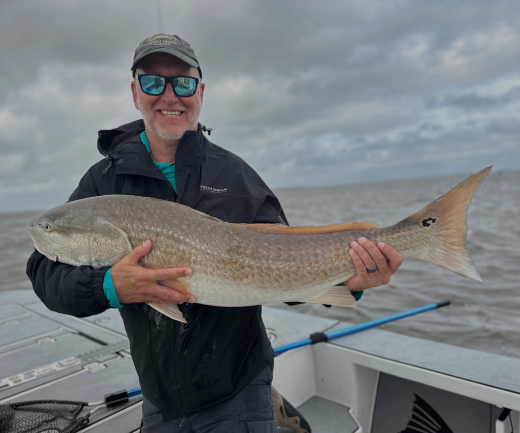
The North Carolina Division of Marine Fisheries has announced another highly restrictive recreational flounder season for 2026. Anglers will once again be limited to a brief 14-day season with a one-fish daily creel limit. While fisheries managers point to conservation goals and stock rebuilding efforts, many recreational fishermen across the state continue to ask the same question: When will enough be enough?
No reasonable angler is opposed to conservation. In fact, fishermen have been some of the strongest advocates for protecting marine resources for generations. We understand that healthy fisheries are essential for the future of our sport and the coastal communities that depend on it.
What many anglers struggle to understand is how a public resource can become so restricted for the very people who have invested decades in supporting conservation through licenses, taxes, equipment purchases, and volunteer efforts. For many families, flounder fishing is more than a recreational activity. It is a tradition passed from one generation to the next and a part of North Carolina’s coastal heritage.
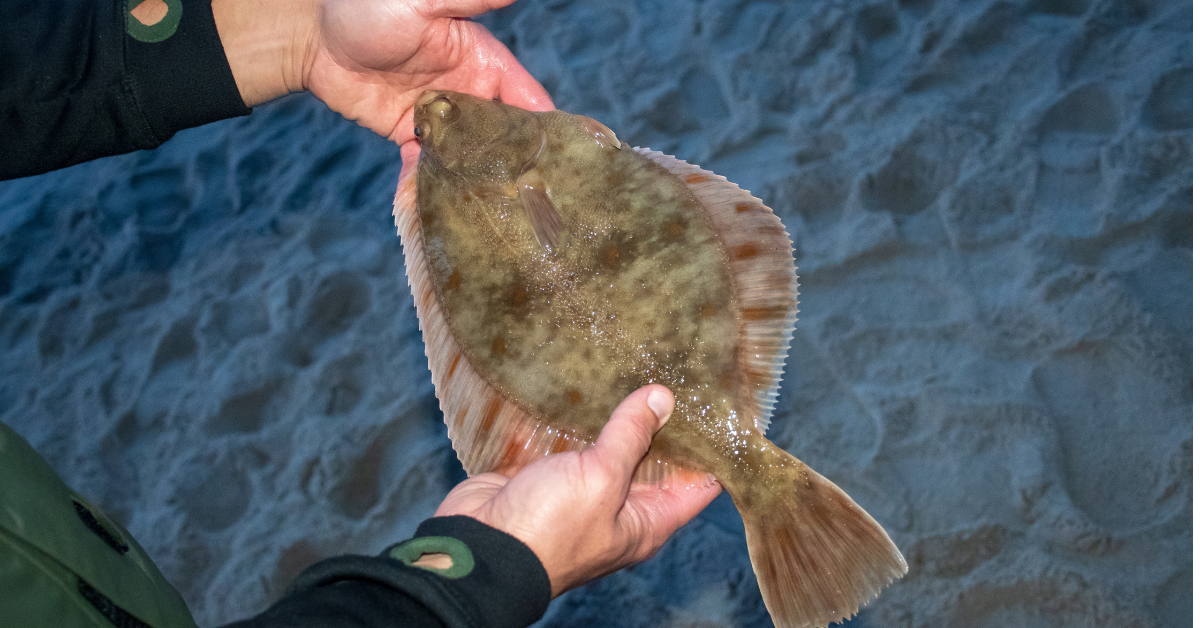
The frustration heard at boat ramps, tackle shops, and fishing clubs across the state is not simply about harvesting a fish. It is about confidence in the management process. Anglers want assurance that regulations are based on sound science, current data, and a management strategy that fairly balances conservation with public access.
The ultimate goal should be clear: rebuild the flounder population while restoring meaningful fishing opportunities for recreational anglers. Conservation and access should work together, not compete with one another.
North Carolina’s fishermen have demonstrated patience for years. They have accepted reduced seasons, smaller harvest opportunities, and increased reporting requirements. In return, they deserve transparency, accountability, and a clear path toward longer and more reasonable seasons in the future.
The success of any fishery management plan should not be measured solely by restrictions imposed, but by whether those sacrifices ultimately lead to healthier fish populations and improved opportunities for the anglers who made those sacrifices possible.
For the sake of North Carolina’s fishing heritage, we can only hope that day arrives sooner rather than later.

You may be interested
Cold Water, Hot Bite: Late Fall Inshore Fishing in the Carolinas
Tim Wilson - October 30, 2026Every November there’s a morning when the air bites differently. The marsh grass has gone gold, the mullet are gone, and the water is clear enough to…
Three Ways to Make Your Offshore Trip Count
Tim Wilson - October 30, 2026Four hours of trolling without a strike can make an offshore fishing crew start watching the clock. You have already made the run, burned the fuel, and…
What Harvest Data Can Tell You About Deer Hunting
Tim Wilson - October 30, 2026How many times do you head to the woods before you get a shot at a deer? Most hunters have never counted, but state wildlife agencies have.…
Most from this category