Targeting Black Drum: Structure, Bait and Tactics
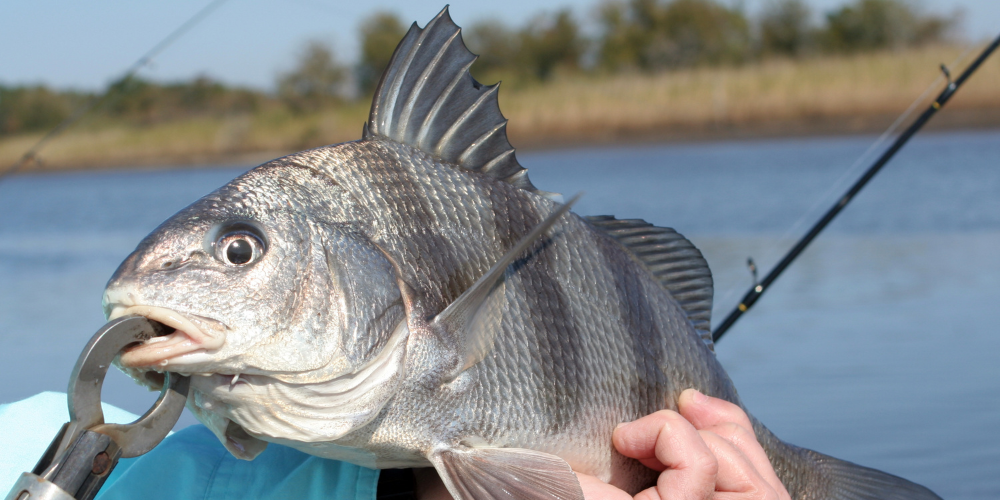
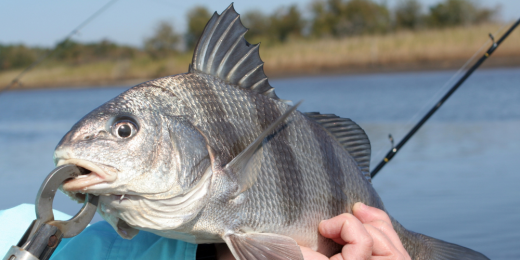
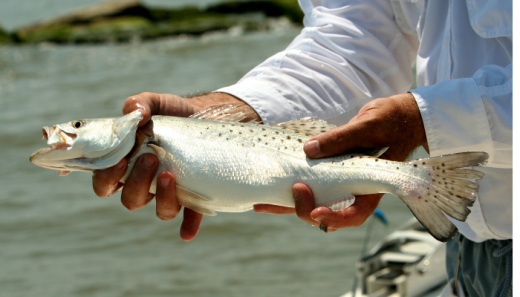
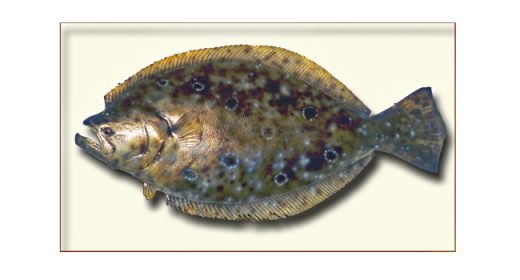
For years, Black Drum rarely received the attention given to species such as Redfish, Speckled Trout, and Flounder. Many anglers viewed them as little more than a bycatch species, and they certainly weren’t considered among the most desirable fish for the dinner table. Over time, however, that perception has changed dramatically.
Today, Black Drum have become a favorite target for many inshore fishermen. Their powerful runs, stubborn fight, and excellent table fare have helped earn them a growing reputation along the coast. Whether you’re fishing from a boat, kayak, pier, or shoreline, Black Drum provide anglers of all skill levels with an exciting opportunity to catch quality fish.
One reason for their popularity is that they are relatively predictable compared to some inshore species. Much like their close cousin, the Redfish, Black Drum are structure-oriented fish that can often be found around bridges, docks, bulkheads, oyster beds, and other areas that provide both protection and a steady food supply.
Rigging and Bait
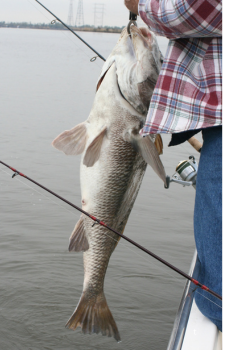 When targeting Black Drum, simple is often best. A Carolina rig remains one of the most effective setups because it allows the bait to stay near the bottom where Black Drum spend most of their time feeding. Heavy jig heads can also be effective, particularly when fishing around bridge pilings and other structure.
Current strength plays a major role in determining the size of the sinker needed. As tidal flow increases or decreases throughout the day, anglers should be prepared to adjust their weight accordingly. If your bait isn’t staying near the bottom, chances are you’re not fishing where the fish are feeding.
Black Drum aren’t particularly selective eaters. Fresh shrimp, menhaden, and blue crab all produce consistent results. Many experienced anglers consider quartered blue crabs to be the top bait, especially when targeting larger fish. Crabs are often readily available around marsh islands, oyster beds, and grass shorelines, making them both economical and effective.
Finding Black Drum
Structure is the key to consistently locating Black Drum. Bridges are often among the most productive areas because they combine deep water, strong currents, shade, and an abundance of forage.
Docks and bulkheads can also hold fish, particularly during moving tides. Oyster beds deserve special attention because they attract many of the crabs, shrimp, and small organisms that Black Drum feed upon. While fishing oyster beds can be productive, anglers should be prepared for occasional hang-ups and lost tackle.
Black Drum are bottom feeders and often feed with their heads pointed downward while rooting through mud, sand, and shell bottoms. At times, anglers may actually see their tails breaking the surface while the fish search for food below. Larger fish are commonly found in areas with higher salinity and good water movement.
The Bite and the Fight
Patience is important when fishing for Black Drum. Unlike some species that strike aggressively, Black Drum often mouth the bait before fully committing. After feeling the initial tap or pressure, give the fish a moment before setting the hook.
Cast close to structure whenever possible and allow the bait to settle on the bottom before beginning a slow retrieve. Retrieval speed should be adjusted based on water temperature, current conditions, and the feeding activity of the fish.
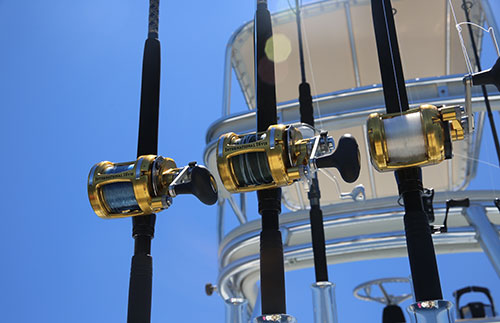
Once hooked, Black Drum are known for their strength and determination. Larger fish can make surprisingly powerful runs and use the current to their advantage. Because of this, many anglers choose slightly heavier tackle than they would normally use for Redfish. A properly adjusted drag is critical to prevent line breakage during long fights.
A Great Fish for New Anglers
Black Drum are one of the best fish for introducing youngsters to saltwater fishing. They are widely distributed, willing to bite a variety of natural baits, and provide enough fight to keep anglers excited. Add in their excellent table quality, and it’s easy to understand why more fishermen are targeting Black Drum than ever before.
Once considered an overlooked species, the Black Drum has earned its place among the most popular inshore fish along the coast. For anglers looking for steady action, a hard fight, and a great meal afterward, Black Drum are hard to beat.

You may be interested
North Carolina Marine Fisheries A System in Trouble: Chapter 5
Tim Wilson - September 17, 2026The Disappearing Working Waterfront A working waterfront is more than a place where boats are tied to a dock. It is a living connection between the people,…

Welcoming The Early Deer Season
Tim Wilson - September 17, 2026September deer hunting bears little resemblance to hunting the rut in November. Carolina whitetails haven't suddenly abandoned their normal routines to search for does, and hunters who…
From Spanish to Kings….How Long Will the Nearshore Mackerel Bite Last?
Tim Wilson - September 17, 2026September may signal the beginning of fall, but Carolina ocean waters don't suddenly cool because the calendar changes. For fishermen targeting Spanish and king mackerel, that means…
Most from this category