Welcoming The Early Deer Season
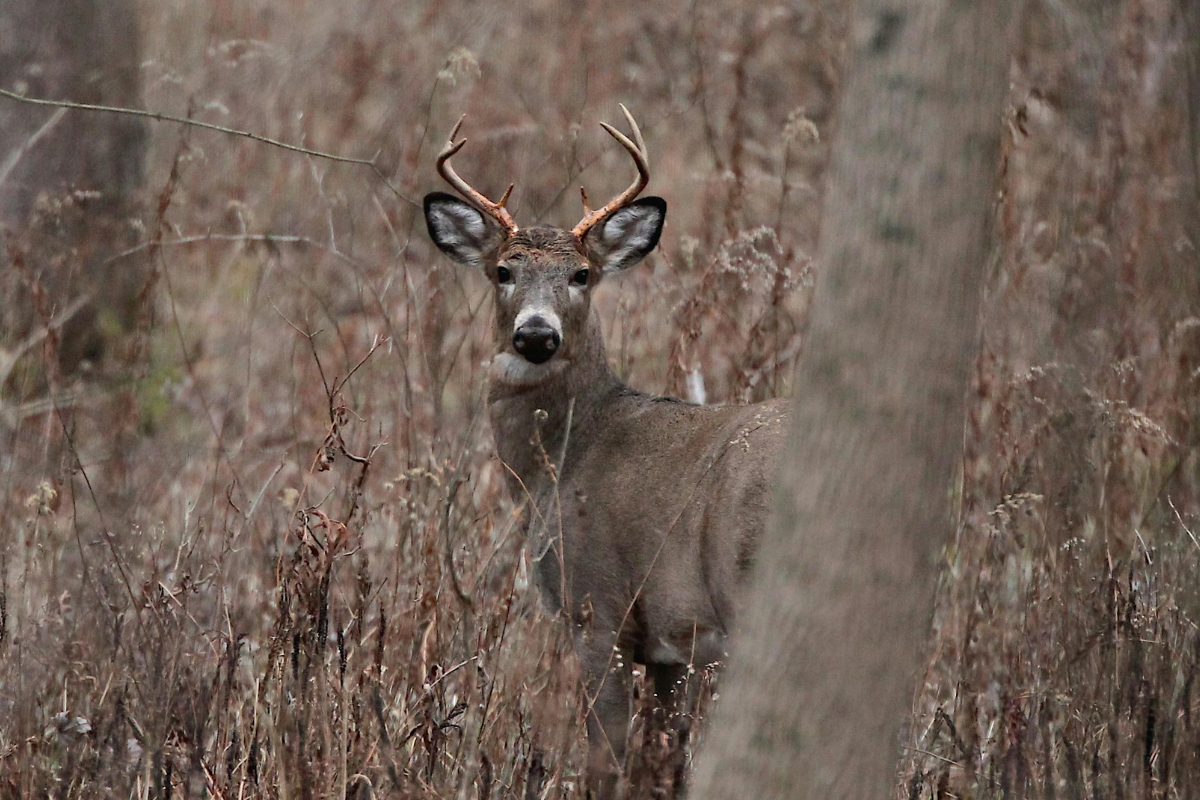
September deer hunting bears little resemblance to hunting the rut in November. Carolina whitetails haven’t suddenly abandoned their normal routines to search for does, and hunters who approach early season with a rut mentality can overlook the factors that matter most right now. Food, bedding cover, water, heat and hunting pressure often control September movement.
South Carolina provides some of the earliest deer opportunities in the country, with season dates varying according to game zone, property and hunting method. North Carolina’s deer seasons also vary by zone and method. Hunters should verify the current 2026 regulations for the exact area they intend to hunt rather than assuming last year’s dates still apply.

Early season bucks can be remarkably predictable when they haven’t experienced much pressure. Trail cameras may show a particular buck entering the same field or traveling the same edge repeatedly. That pattern can disappear quickly once hunters begin walking through bedding areas, checking cameras constantly or allowing their scent to contaminate the travel route.
Food provides the starting point. Agricultural fields can attract deer throughout September, while available mast and natural browse become increasingly important as fall develops. In southeastern North Carolina, thick pine plantations, cutovers, pocosin edges and creek bottoms can provide excellent bedding cover close to food.
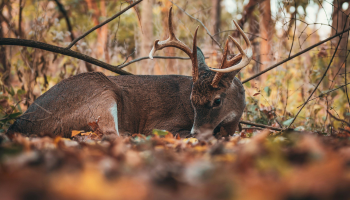
South Carolina’s Lowcountry presents similar conditions. Swamps, pine stands, thick vegetation and agricultural fields often place bedding and feeding areas relatively close together. A mature buck may spend most of a hot September day inside heavy cover and move toward food only during the final portion of legal shooting light.
The temptation is to move the stand closer and closer to the bedding area. That can produce an opportunity, but it can also destroy the pattern. A buck that detects human scent or repeated intrusion may simply begin moving after dark or change routes entirely.
Access deserves as much thought as stand placement. A perfect stand can become useless if the hunter has to cross the feeding area to reach it. Wind direction should influence both where the hunter sits and how the location is approached. Planning the exit is equally important because walking through feeding deer after dark can damage future hunts.
Hot September weather adds another consideration. Hunters need to think about meat recovery before pulling the trigger. A harvested deer shouldn’t remain unrecovered for hours in warm conditions. Having lights, transportation and a plan for cooling the meat is part of responsible early season hunting.
The rut will eventually make bucks travel farther and behave less predictably. September offers something different. Many deer are still following relatively stable routines between food, cover and water. The early season hunter’s challenge isn’t forcing a buck to make a mistake. It is discovering that routine without becoming the reason the deer changes it.
You may be interested
North Carolina Marine Fisheries A System in Trouble: Chapter 5
Tim Wilson - September 18, 2026The Disappearing Working Waterfront A working waterfront is more than a place where boats are tied to a dock. It is a living connection between the people,…
The Best Lures For 2026 Fall Speckled Trout Fishing
Tim Wilson - September 18, 2026Cooler weather is here and that can only mean that Speckled Trout fishing is starting to boom. Take a look at 3 of the Carolina's most well…
From Spanish to Kings….How Long Will the Nearshore Mackerel Bite Last?
Tim Wilson - September 18, 2026September may signal the beginning of fall, but Carolina ocean waters don't suddenly cool because the calendar changes. For fishermen targeting Spanish and king mackerel, that means…
Most from this category