Best Offshore Fishing GPS Choices
When you’re running 30, 50, or even 70 miles offshore, your GPS becomes much more than a navigation tool. It is your route planner, chartplotter, fish finder, and often your lifeline. Choosing the right unit can make the difference between a successful day on the water and a frustrating one.
For most offshore anglers, the Garmin GPSMAP 1243 xsv stands out as the best overall choice. Its bright 12-inch display, lightning-fast processor, and highly detailed Garmin Navionics+ charts make navigation simple, even in rough conditions. It also integrates seamlessly with radar, AIS, autopilot, and LiveScope sonar, making it a favorite among tournament anglers and serious offshore fishermen.
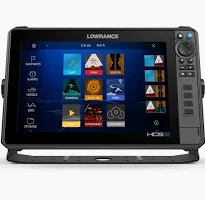
Another excellent option is the Lowrance HDS PRO. Known for its impressive fish-finding capabilities, it pairs advanced sonar technology with detailed C-MAP charts. Anglers targeting offshore wrecks, reefs, and ledges appreciate its ability to identify structure and baitfish with remarkable clarity.

For fishermen who spend most of their time searching for bottom structure, the Humminbird APEX deserves a close look. Its MEGA Side Imaging and CHIRP sonar produce exceptional underwater detail, helping anglers locate reefs, wrecks, and schools of fish that other systems might miss.

Large offshore boats often rely on the Simrad NSS 4, a premium chartplotter designed for demanding conditions. Its professional-grade navigation features, radar integration, and multi-display capabilities make it a popular choice aboard sportfishing boats and larger center consoles.
Regardless of the brand, every offshore GPS should include high-definition coastal charts, CHIRP sonar, radar compatibility, AIS support, NMEA 2000 networking, and a bright display that remains readable in direct sunlight. A 12-inch screen is generally considered the ideal size, providing plenty of chart detail without overwhelming the helm.
While all of these units are outstanding performers, Garmin continues to earn top marks for its combination of navigation accuracy, user-friendly operation, and dependable performance. Whether you’re trolling for tuna, chasing mahi, or bottom fishing for grouper and snapper, investing in a quality GPS/chartplotter is one of the smartest upgrades you can make.
Offshore fishing demands confidence in your equipment. A dependable GPS not only helps you find fish but also gets you safely back to the dock when weather changes or visibility disappears. In the offshore world, that’s a feature no angler should ever overlook.
You may be interested

Cold Water, Hot Bite: Late Fall Inshore Fishing in the Carolinas
Tim Wilson - October 30, 2026Every November there’s a morning when the air bites differently. The marsh grass has gone gold, the mullet are gone, and the water is clear enough to…

Three Ways to Make Your Offshore Trip Count
Tim Wilson - October 30, 2026Four hours of trolling without a strike can make an offshore fishing crew start watching the clock. You have already made the run, burned the fuel, and…
What Harvest Data Can Tell You About Deer Hunting
Tim Wilson - October 30, 2026How many times do you head to the woods before you get a shot at a deer? Most hunters have never counted, but state wildlife agencies have.…
Most from this category